
How to Get Antique Furniture Valued: Which Value, Who, and What to Send
Getting an antique chest, desk or table valued comes down to three decisions. Which value you need, because a sale, an insurance policy and a tax return each have a different correct number. Who gives it, because the firm hoping to sell the piece is not the one to value it for the IRS. And what you send, because an appraiser judges age and originality from the parts most owners never photograph. A ten-view photo checklist follows.
Table of Contents
Decide What the Number Is For
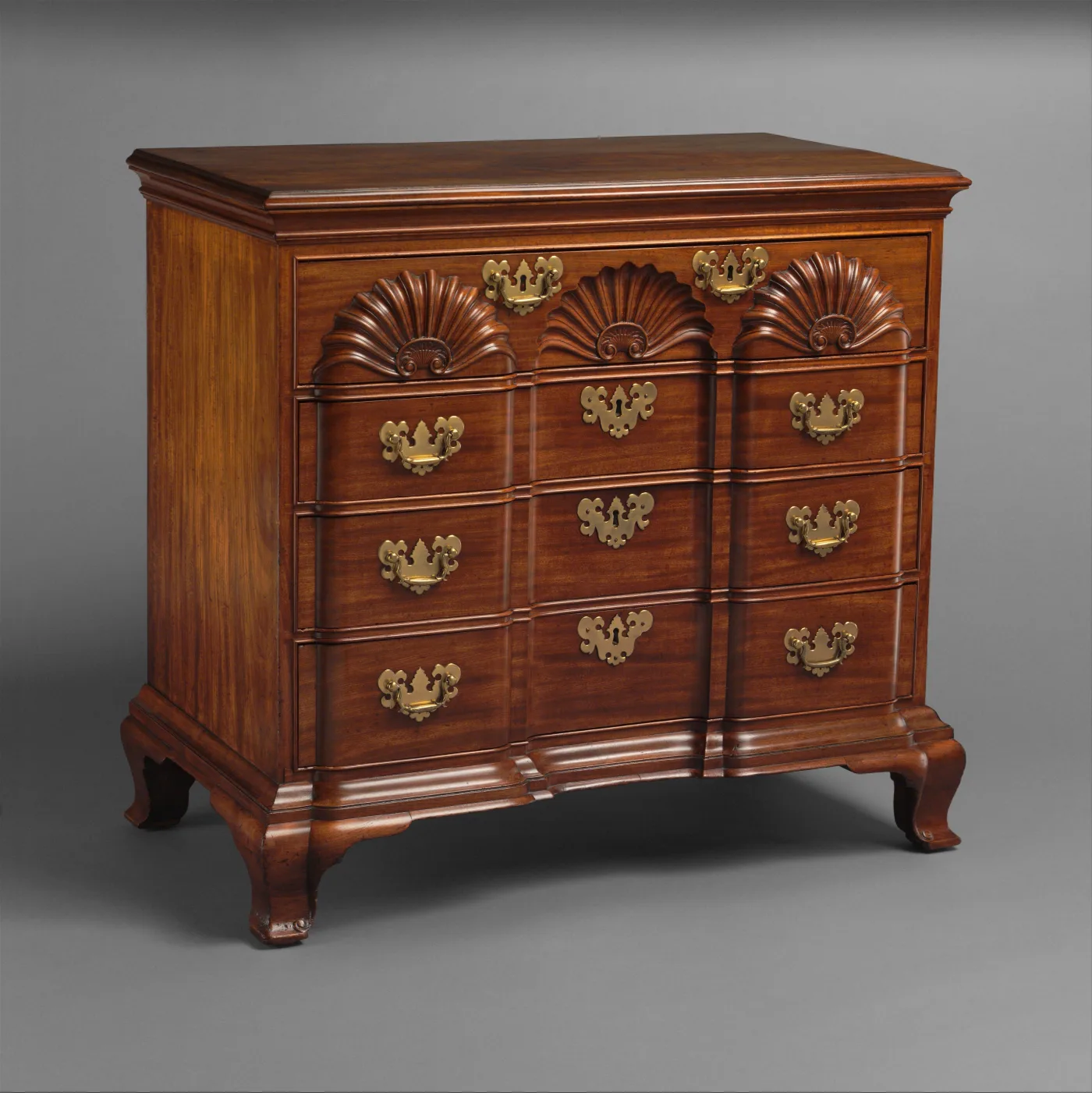
Appraisers work to a stated purpose, and the purpose picks the value. Two definitions cover almost every furniture question. Fair market value is “the price that property would sell for on the open market”, between a willing buyer and a willing seller; both IRS Publication 561 and the insurer Chubb's guide to appraisals define it this way. Replacement value, in Chubb's words, is the cost of replacing a piece with one of similar age, quality and condition, usually bought at retail, and it is “most often used for insurance on fine arts and collectibles.” Because it is a retail figure, it is normally the higher of the two.
| You want to… | Value to ask for | Who gives it | Paperwork |
|---|---|---|---|
| Find out whether it is worth selling | Auction estimate (a likely price range) | Auction house specialist, usually free from photographs | None; an email or a call |
| Insure it | Replacement value | Independent appraiser | Written appraisal with photographs and description |
| Donate it and claim more than $5,000 | Fair market value | Qualified appraiser, independent of you and the charity | Qualified appraisal plus IRS Form 8283, Section B |
| Settle or divide an estate | Fair market value | Independent appraiser | Written appraisal, USPAP-compliant if it may be challenged |
An auction-level figure on an insurance schedule leaves a piece underinsured; a retail figure on a donation claim overstates the deduction. Tell the appraiser the purpose at the start. For the wider picture of how appraisers reach a value, the antique valuation and appraisal guide covers comparable sales and the other methods.
Who Should Value It
An auction house, if you are thinking of selling. Sotheby's and Christie's both give free auction estimates from photographs and details sent online. The estimate is a sale forecast from a firm that earns a commission if you consign: fine for deciding whether to sell, poor for anything else.
The US Tax Court said so in Estate of Kollsman v. Commissioner (2017). An estate reported two paintings at $600,000 on the figures of an auction-house specialist whose firm was seeking to sell them. The court found he “had a significant conflict of interest” and set the values at $2,370,000. One of the paintings had sold at auction in 2009 for $2,434,500, and he never revised his figure. (Summaries: Frankfurt Kurnit Klein & Selz; O'Toole-Ewald.)
An independent appraiser, for everything else. Personal-property appraisers are not licensed by government, as Chubb's guide points out, so membership of a society is the usual check. Chubb names the Appraisers Association of America, the American Society of Appraisers and the International Society of Appraisers, all of which require training and adherence to USPAP, the Uniform Standards of Professional Appraisal Practice. Ask for someone whose specialty is furniture, not general contents.
Check how they charge. An hourly rate or a flat fee, agreed before work starts, is normal. A fee taken as a percentage of the value is not. The International Society of Appraisers' code of ethics forbids members to charge “a fee based on a percentage of the appraised valuation”, or one tied to whether the member will buy the item. The IRS goes further for donations: under Treasury Regulation 1.170A-17, a fee “cannot be based to any extent on the appraised value”. An appraiser who offers to buy the piece has the Kollsman conflict in reverse.

What to Photograph, and Why
The first round is usually done from photographs; Sotheby's asks for “photographs, paperwork and other background information”. For furniture, what decides value is mostly out of sight: whether the piece is as old as it looks, whether its parts belong together, and what has been replaced. The answers are on the back, underneath and inside the drawers.
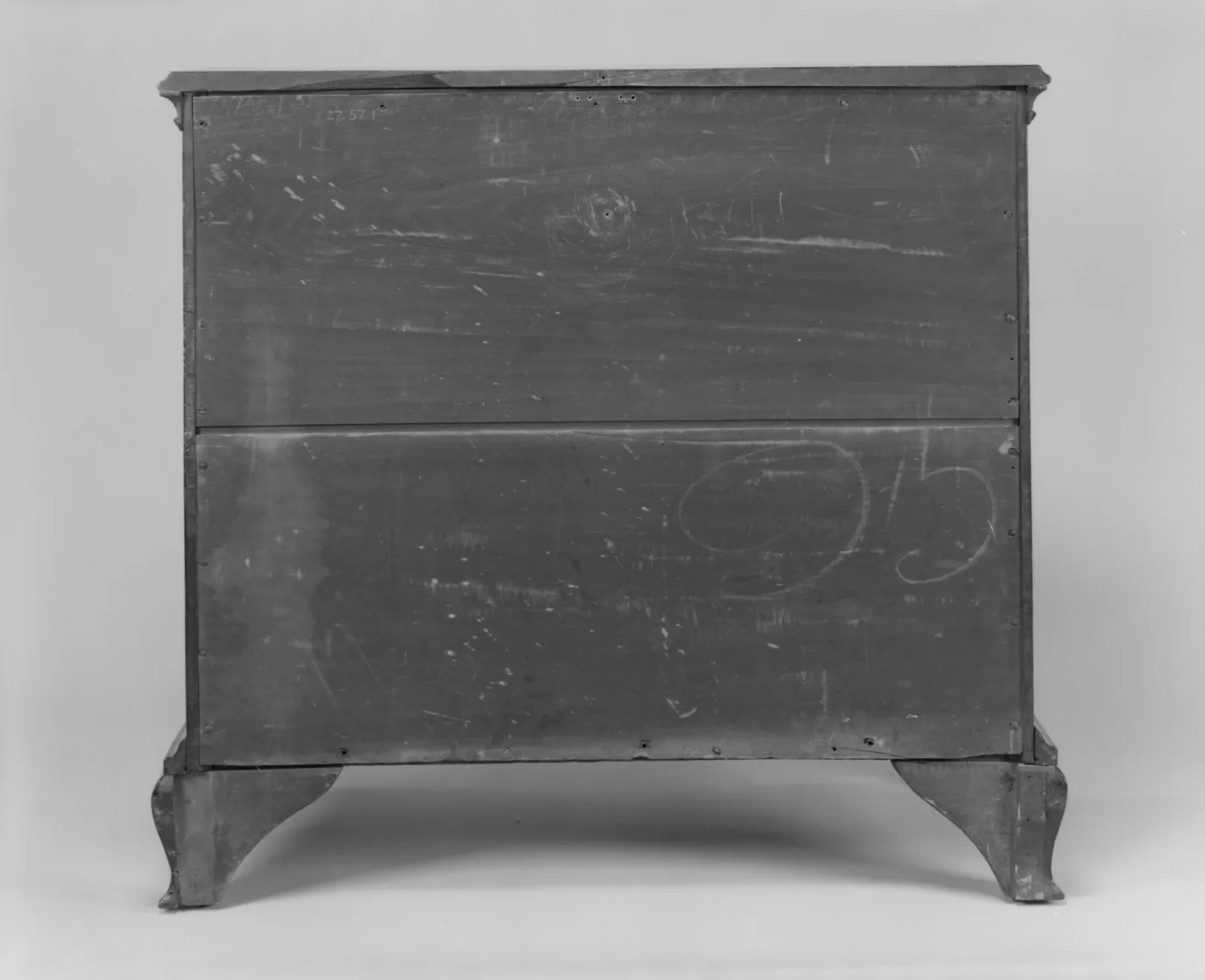
The back shows how the case was closed, what the secondary wood is and whether it has darkened evenly with age. Boards that differ in colour or tool marks from their neighbours point to replacement, and a back that does not match the base is one of the main signs of a married piece. Faked age shows up here first as well; the guide to artificially aged furniture explains what stain can and cannot reproduce on unfinished wood.
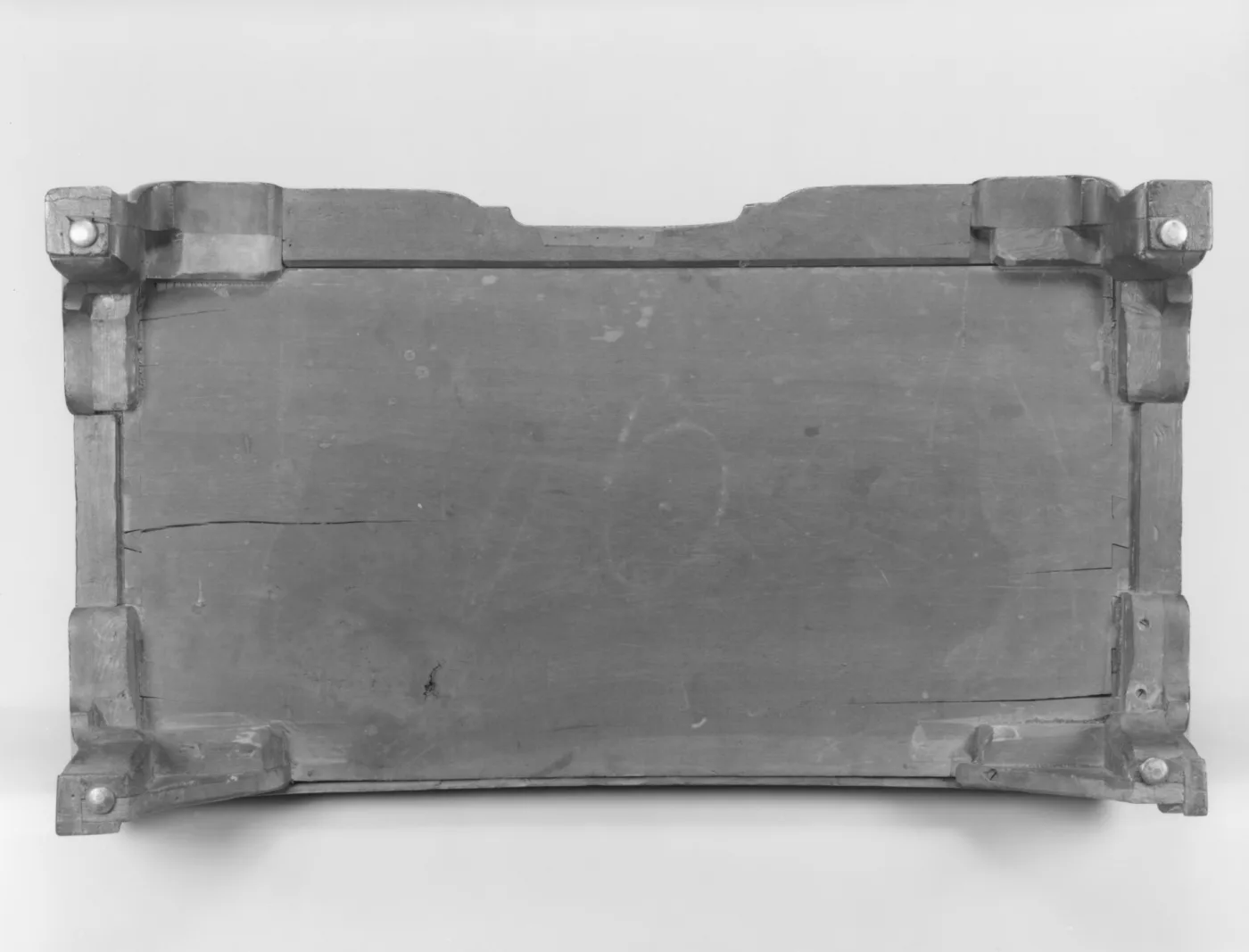
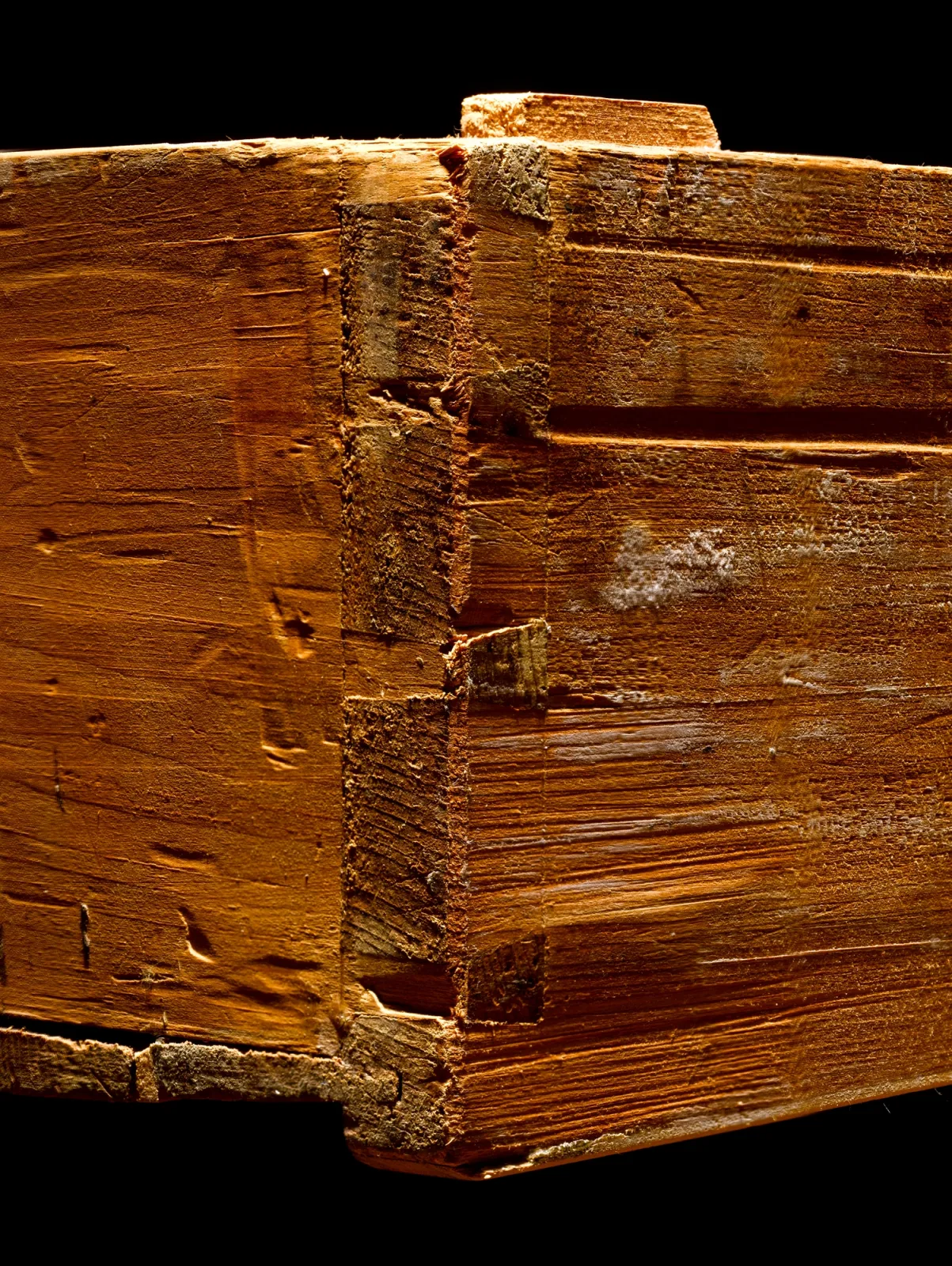
Even museum records differ by a few years: the Met dates the Gould desk about 1775, the Society of American Period Furniture Makers' listing about 1779. Expect a range from an appraiser too. The antique furniture guide sets out how dovetails and saw marks change over time.
Surfaces matter as well. Whether a surface is original or refinished is one of the first things a furniture appraiser asks, so photograph the finish in raking light and say what you know of its history. If you are unsure what the finish is, the finish test identifies it without harming it. Do not clean, polish or repair anything before the appraisal.
Labels and Signatures Are Claims
A label, stamp or signature can move a piece from “Newport school” to a named maker. That is why appraisers look at the label and at the wood around it, and why you should photograph both.
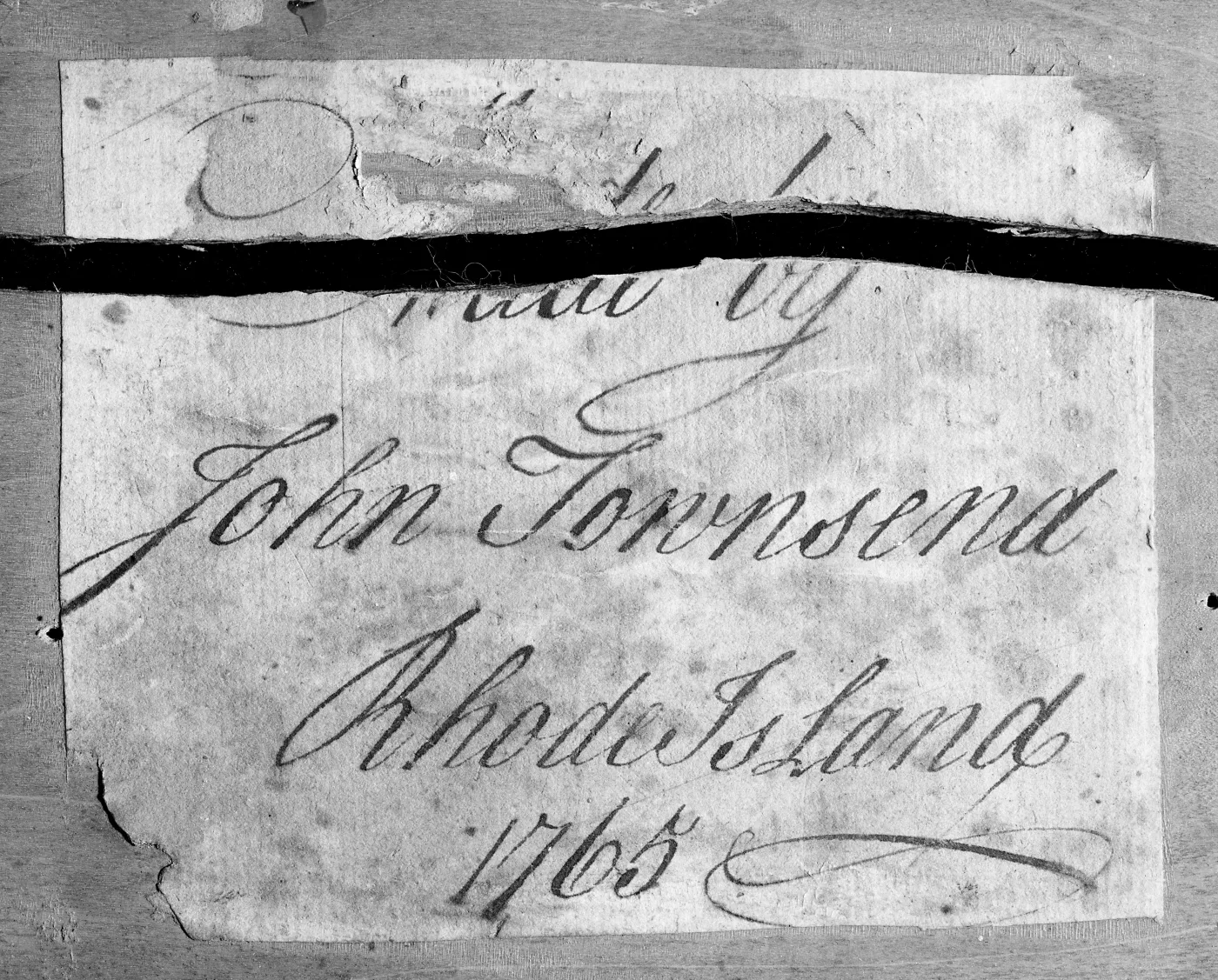
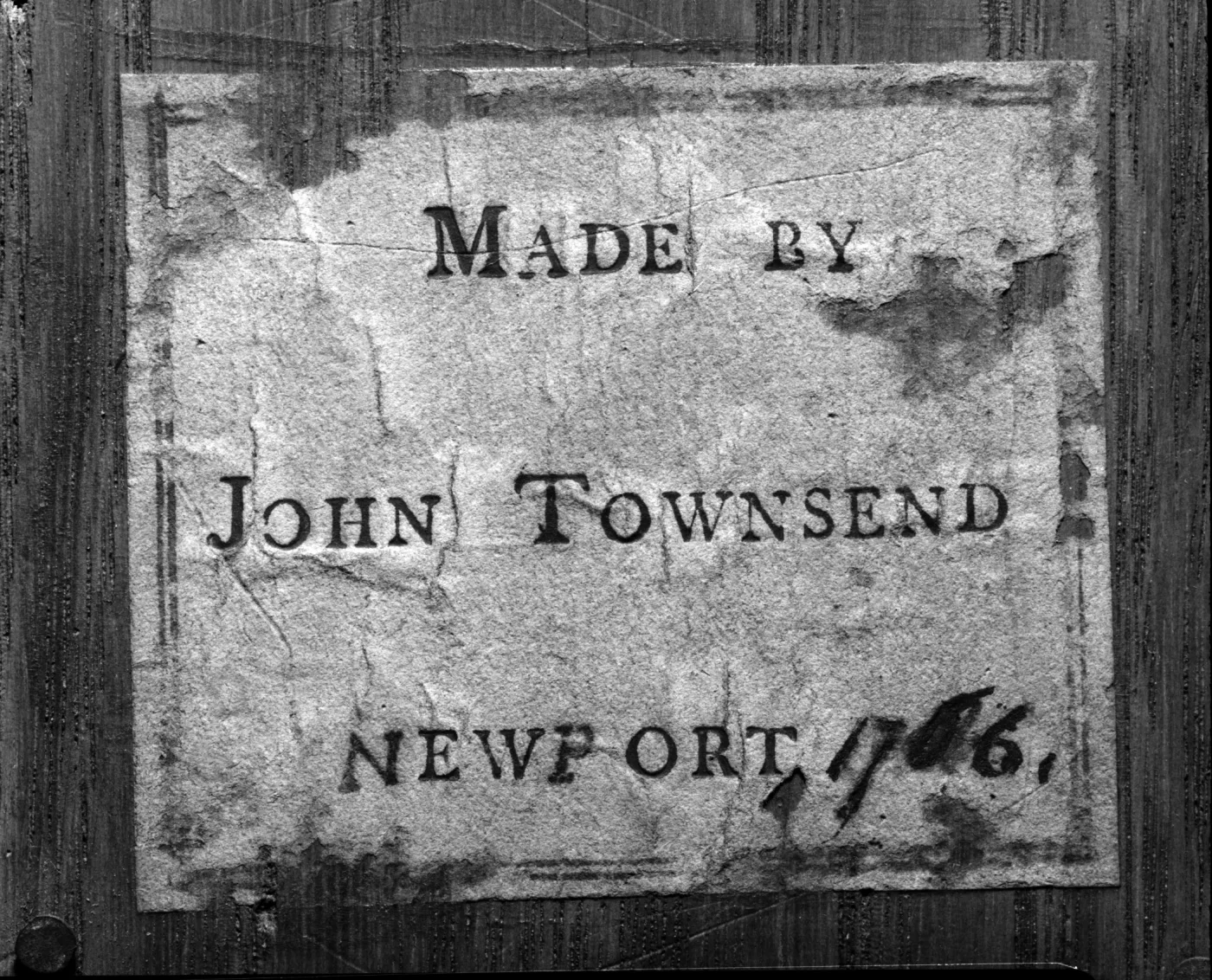
The two labels show how much a single maker's marking can change over his career. Townsend wrote the 1765 label by hand; later he used printed ones, like the label on the card table, and the Met's essay on Townsend lists two chests with printed “Made by John Townsend, Newport” labels dated 1790 and 1792. A label that does not match the form a maker used at the date the piece claims is a question to put to the appraiser, and a famous name on a label is a reason for care, not relief.
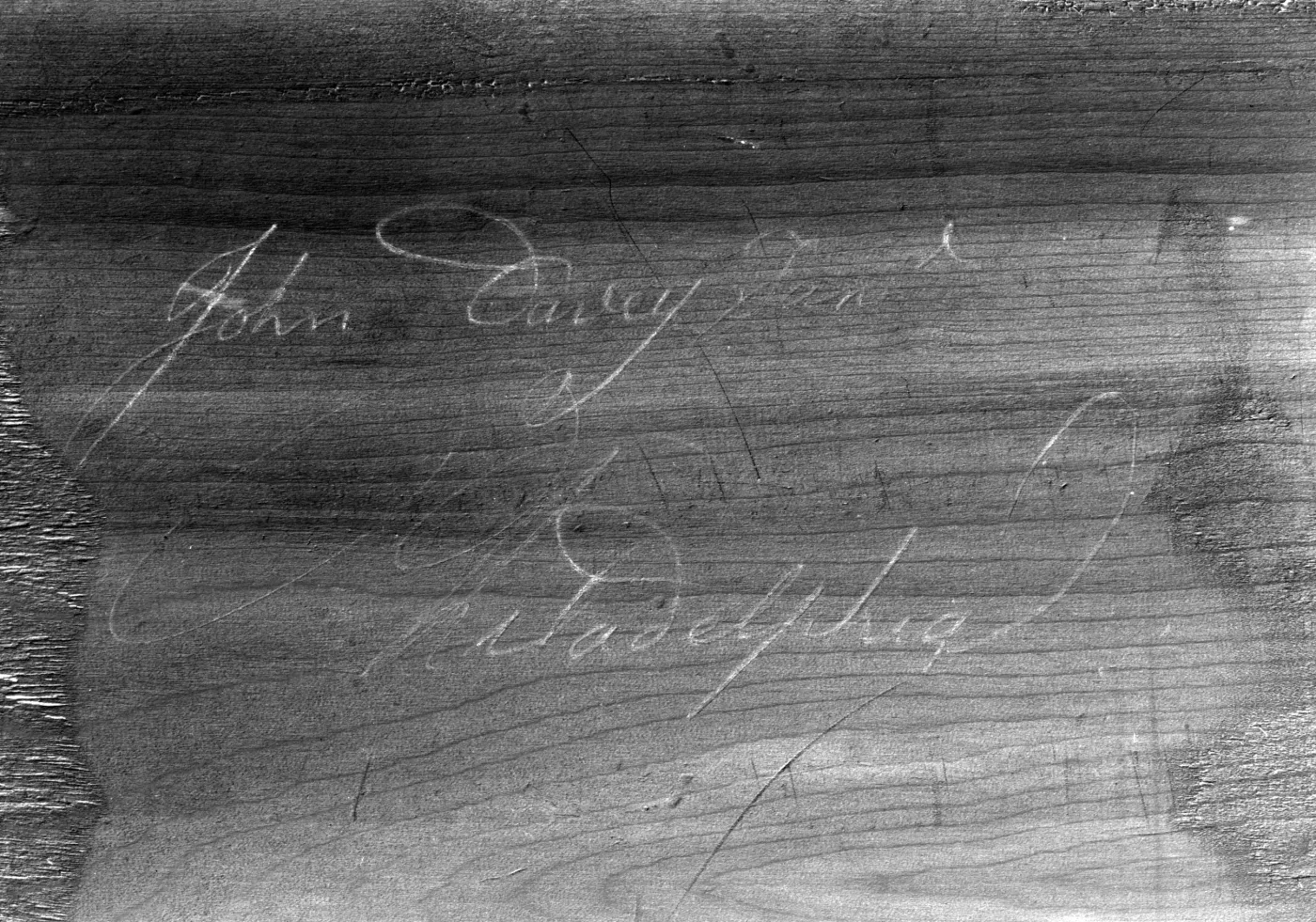
A paper label is glued on, and it can be lifted from one piece and glued to another. What an appraiser needs to see is whether it belongs where it is: whether the glue line, the colour under its edges and the wood around it agree with the rest of the piece. Send one readable close-up and one wider shot showing where it sits. Never remove or reglue a label; keep a loose one in an envelope.
The Photo Checklist
We built this list from the submission requests of auction houses and the evidence this site's furniture guides rely on. Take each photograph in daylight, without flash, with a tape measure or coin in the close-ups for scale.
| # | Photograph | What it lets the appraiser decide | Read more |
|---|---|---|---|
| 1 | Whole front, square on | Form, style and proportions; whether the parts look like one design | Chippendale furniture |
| 2 | Three-quarter view from one side | Depth, side panels, how the top overhangs; a later top often sits wrong | Furniture guide |
| 3 | The whole back | Secondary wood, how the case was closed, even ageing, replaced boards | Married furniture |
| 4 | Underneath, including the feet | Replaced feet or glue blocks, shrinkage of the bottom boards | Artificially aged furniture |
| 5 | One drawer out, front corner | Hand or machine dovetails, and so an earliest likely date | Furniture guide |
| 6 | Drawer bottom, underside | Saw marks, how the bottom is fixed, inscriptions and chalk marks | Married furniture |
| 7 | Inside of a drawer front, behind the pulls | Original or replacement hardware: extra or plugged holes from earlier sets | Married furniture |
| 8 | Any label, stamp or inscription, close and in place | A named maker, and whether the label belongs to this piece | This guide |
| 9 | The top surface in raking light | Original or refinished surface, repairs, shrinkage | Finish test |
| 10 | Seat with the cover lifted at one corner (chairs and sofas) | Original or later upholstery layers | Original upholstery |
Add the height, width and depth, and for tables the size with leaves open. Then write down what you know: where the piece came from, receipts, old photographs, earlier appraisals and any repairs or refinishing. For lighting and camera technique, the guide to photographing antiques goes into detail.
If You Plan to Donate It
Donations are where the rules are fixed in writing, and both IRS Publication 561 and the instructions for Form 8283 set them out:
- Over $5,000 needs a qualified appraisal. If you claim more than $5,000 for a piece, or for a group of similar items, you need a written qualified appraisal by a qualified appraiser and must complete Section B of Form 8283. The form itself is “an appraisal summary. It is not an appraisal.”
- Timing. The appraisal must be signed and dated no earlier than 60 days before the donation, and you must have it by the due date of the return, including extensions.
- Antiques count as art. The IRS definition of art includes “antiques, decorative arts”. For a deduction of $20,000 or more for art, you must attach a complete copy of the signed appraisal, and supply a photograph if asked.
- Fees. The appraisal fee cannot be based on a percentage of the appraised value.
Tax rules change, and this is not tax advice. Check the current Publication 561 or ask a tax adviser before you donate.
Frequently Asked Questions
How do I get antique furniture valued?
Decide first what the number is for: selling, insurance, a donation or an estate. For a sale, an auction house will usually give a free estimate from photographs. For insurance, tax or legal use, hire an independent appraiser who belongs to a professional society, follows USPAP and charges by the hour or by the job. Either way, send photographs of the front, back, underside, drawers and any label, with the measurements.
What is the difference between fair market value and replacement value?
Fair market value is the price a willing buyer and a willing seller would agree on, and it is the value used for donations, estates and selling. Replacement value is what it would cost to buy a similar piece at retail, and it is the value most often used for insurance. Replacement value is usually the higher of the two.
Is a free auction estimate the same as an appraisal?
No. An auction estimate is an informal opinion of what a piece might sell for, given by a house that hopes to sell it. It is useful for deciding whether to sell. It is not a written appraisal and should not be used for tax or insurance, where courts have rejected auction-house figures given while the house wanted the consignment.
How much should a furniture appraisal cost?
Expect an hourly rate or a flat fee agreed in advance. A fee calculated as a percentage of the appraised value is a warning sign: the International Society of Appraisers bars its members from charging one, and the IRS will not accept an appraisal for a donation if its fee was based on the value.
Do I need an appraisal to donate antique furniture?
If you claim a deduction of more than $5,000 for the piece, or for a group of similar items, the IRS requires a qualified appraisal by a qualified appraiser. It must be dated no earlier than 60 days before the donation. The IRS counts antiques as art, so for $20,000 or more you must attach a complete copy of the signed appraisal to your return.
The Short Version
Name the purpose before anyone names a number: an auction estimate for a sale, replacement value for insurance, fair market value for a donation or an estate. Use an auction house for the first and an independent appraiser, paid by the hour or the job, for the rest. Then photograph what the front hides: the back, underneath, a drawer corner and any label in place.