
Antique Toy Identification Guide: Dating, Makers, Materials & Value
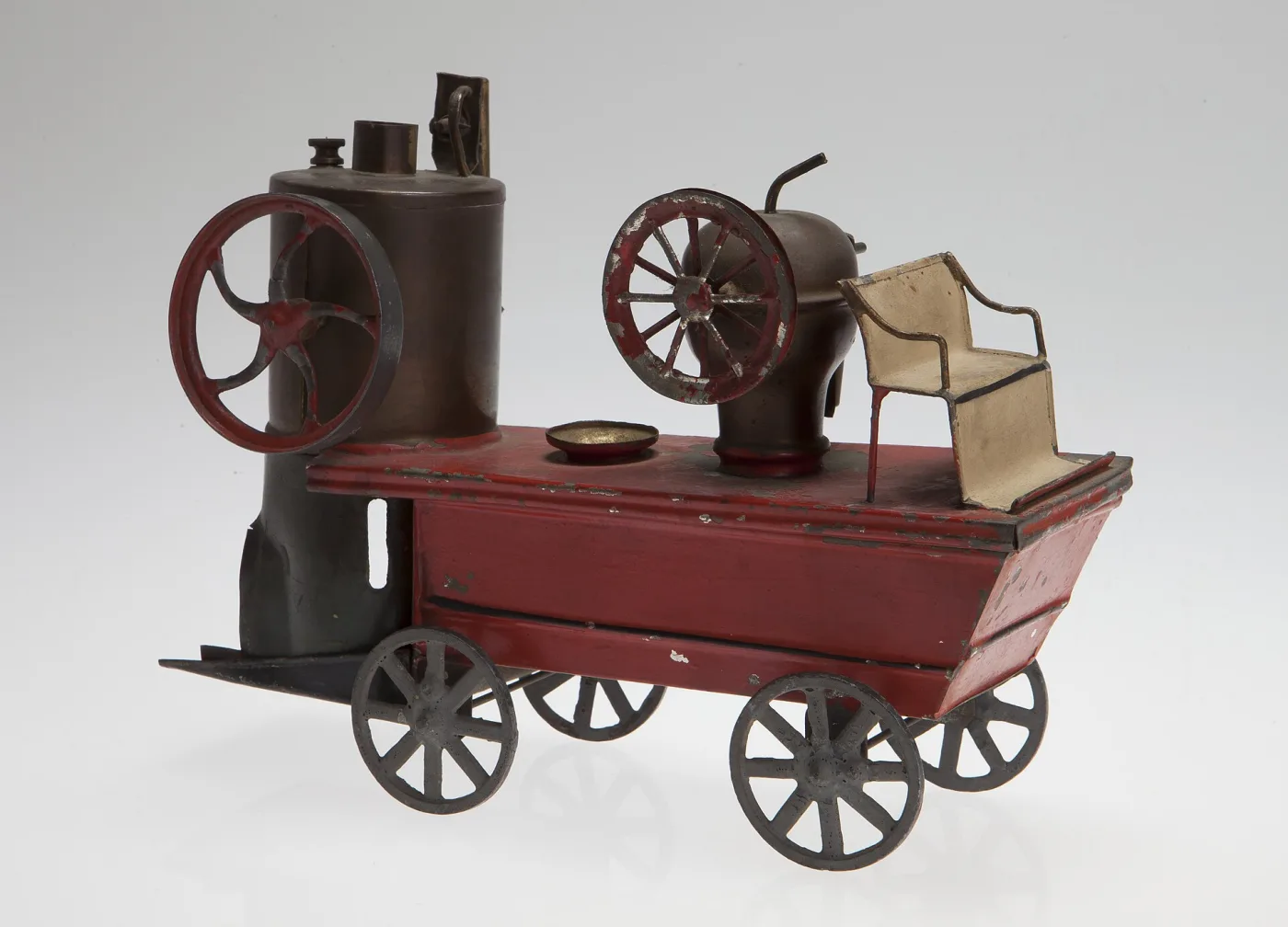
Antique toys capture design, technology, and cultural trends in miniature form. Beyond nostalgia, they offer a rich field for study: manufacturing methods, safety standards, patent systems, and global trade routes are all encoded in their materials and mechanisms. This comprehensive guide shows you how to identify, authenticate, and value antique toys—from 19th-century cast iron and tinplate to early plastics and pressed steel—while safely handling delicate, sometimes hazardous materials.
Table of Contents
- Materials Overview and Dating Clues
- Manufacturing Clues: Construction, Seams, and Finishes
- Mechanisms: Clockwork, Friction, and Electro-Mechanical
- Maker Marks, Patents, and Country of Origin
- Category Breakdowns: Dolls, Vehicles, Figures, Games
- Restoration, Repaints, and Replacement Parts
- Condition Grading and Value Impact
- Safety, Handling, and Storage
- Market Factors and Value Drivers
Materials Overview and Dating Clues
Materials anchor the dating of toys. Each era favored distinct substances and fabrication methods.
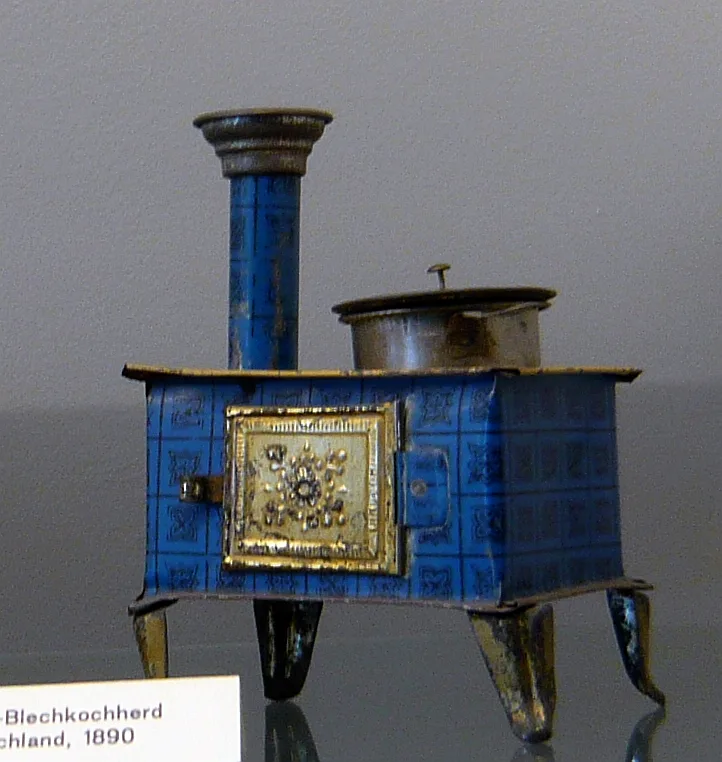
Tinplate (ca. 1860s–1930s)
- Tell-tales: Lithographed surfaces, folded tabs, soldered joints, light weight.
- Aging: Oxidation at edges, micro-scratches in litho, matte wear on high points.
- Makers: Lehmann, Bing, Carette, Märklin, Arnold, Schuco.
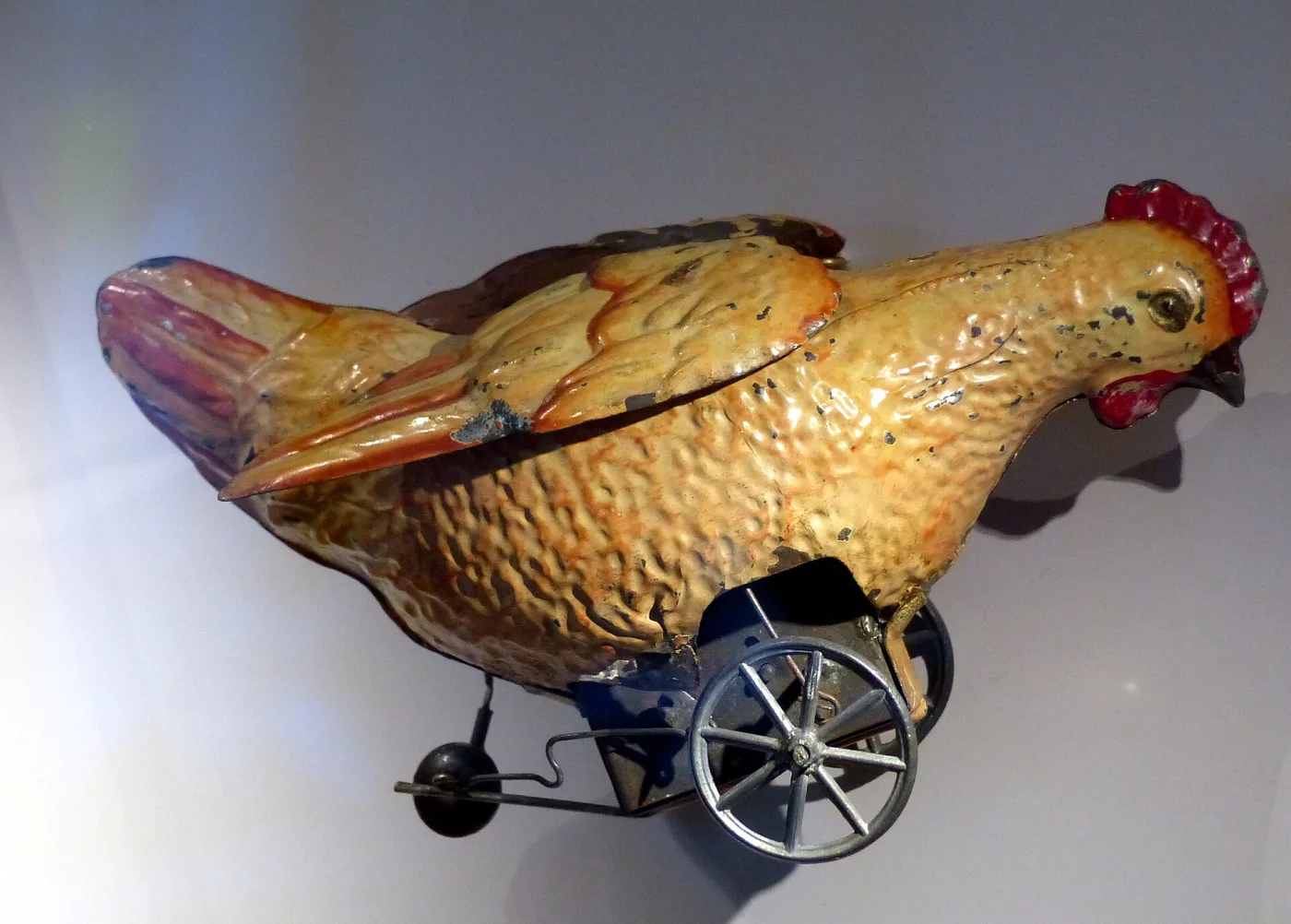
Cast Iron (ca. 1870s–1920s)
- Tell-tales: Two-part molds with visible seams, slotted screws later; earlier toys use square nuts.
- Paint: Thick oil-based enamel; crazing and alligatoring common.
- Makers: Hubley, Kenton, Arcade, Ives.
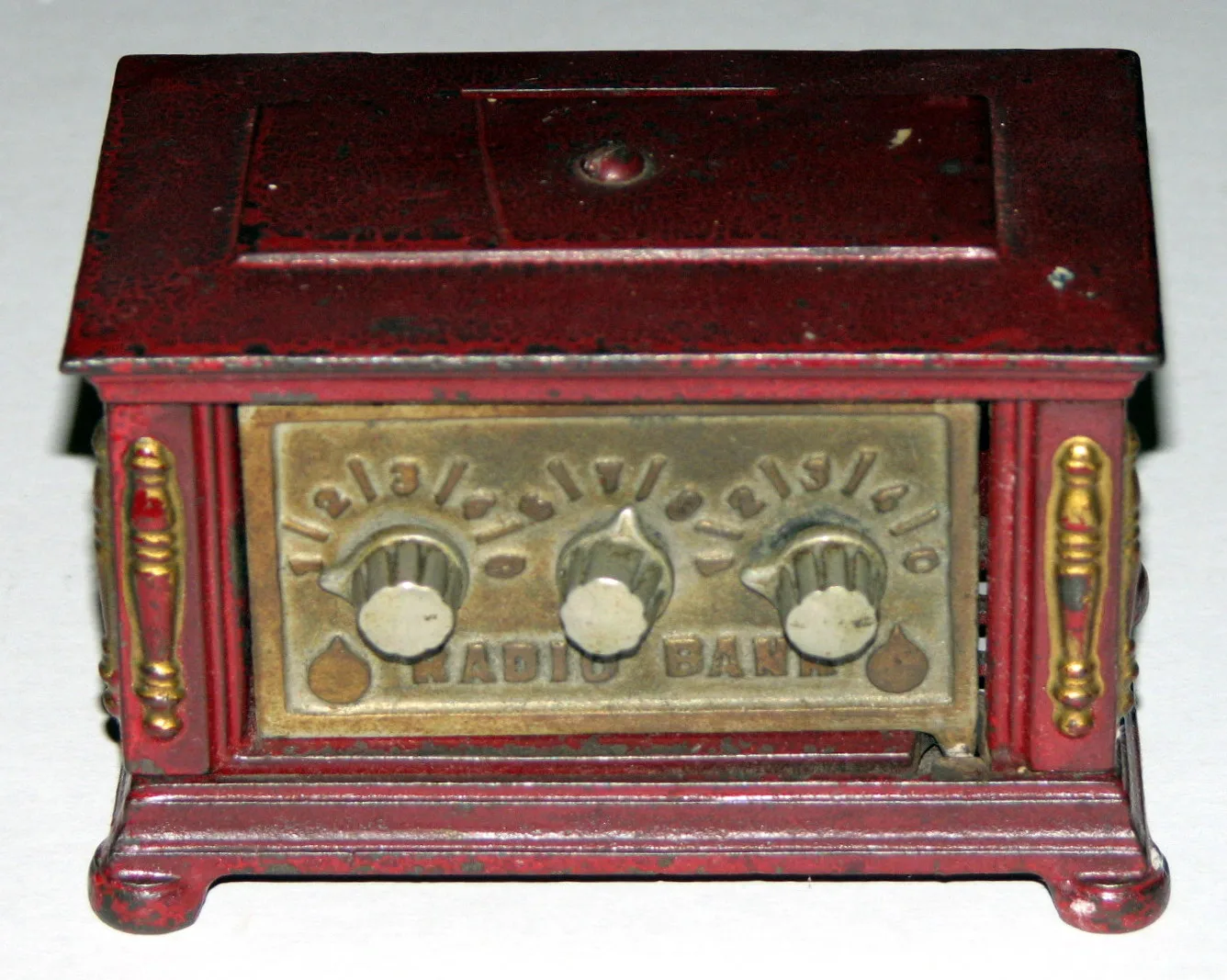
Pressed Steel (ca. 1920s–1950s)
- Tell-tales: Stamped bodies, rolled edges, spot welds, baked enamel finishes.
- Makers: Buddy L, Tonka, Wyandotte, Marx.
Composition (ca. 1900s–1940s)
- Tell-tales: Wood pulp and adhesive matrix; crazing, chipping at impact points.
- Use: Dolls, heads, limbs; early figurals.
Celluloid (ca. 1890s–1930s)
- Tell-tales: Feather-light, seams from blow-molding, translucence, warm smell when rubbed.
- Warning: Highly flammable; avoid heat and friction.
Early Plastics (Bakelite/Catalin/Polystyrene, 1930s–1950s)
- Bakelite/Catalin: Dense, warm to touch; radio and accessory parts.
- Polystyrene: Injection-molded with ejector pin marks; crisp details.
Wood and Cloth
- Wood: Turned wheels, hand-painted surfaces, pegged joints on early toys, and block-built bodies finished in gesso on antique rocking horses.
- Cloth/Plush: Mohair pile, stitched noses, boot-button eyes on early teddy bears.
Manufacturing Clues: Construction, Seams, and Finishes
Joinery and surface treatment often give away age and originality.
Seams and Joints
- Tin Tabs: Folded metal tabs vs later spot-welds.
- Cast Iron: Matchlines; early hand-finishing reduces seam sharpness.
- Pressed Steel: Rolled hems on edges; rivets vs later screws.
Fasteners
- Nuts and Screws: Slot-head and square nuts earlier; Phillips post-1930s.
- Rivets: Dome-headed steel or brass rivets on 1920s–40s toys.
Paint and Lithography
- Oil Enamel: Thick, brush marks sometimes visible under loupe.
- Litho Registration: Minor misalignment common; modern repros are too perfect.
- Decals: Water-slide transfers on late 1940s–50s pressed steel.
Mechanisms: Clockwork, Friction, and Electro-Mechanical
Movement mechanisms provide dating evidence and authenticity cues.
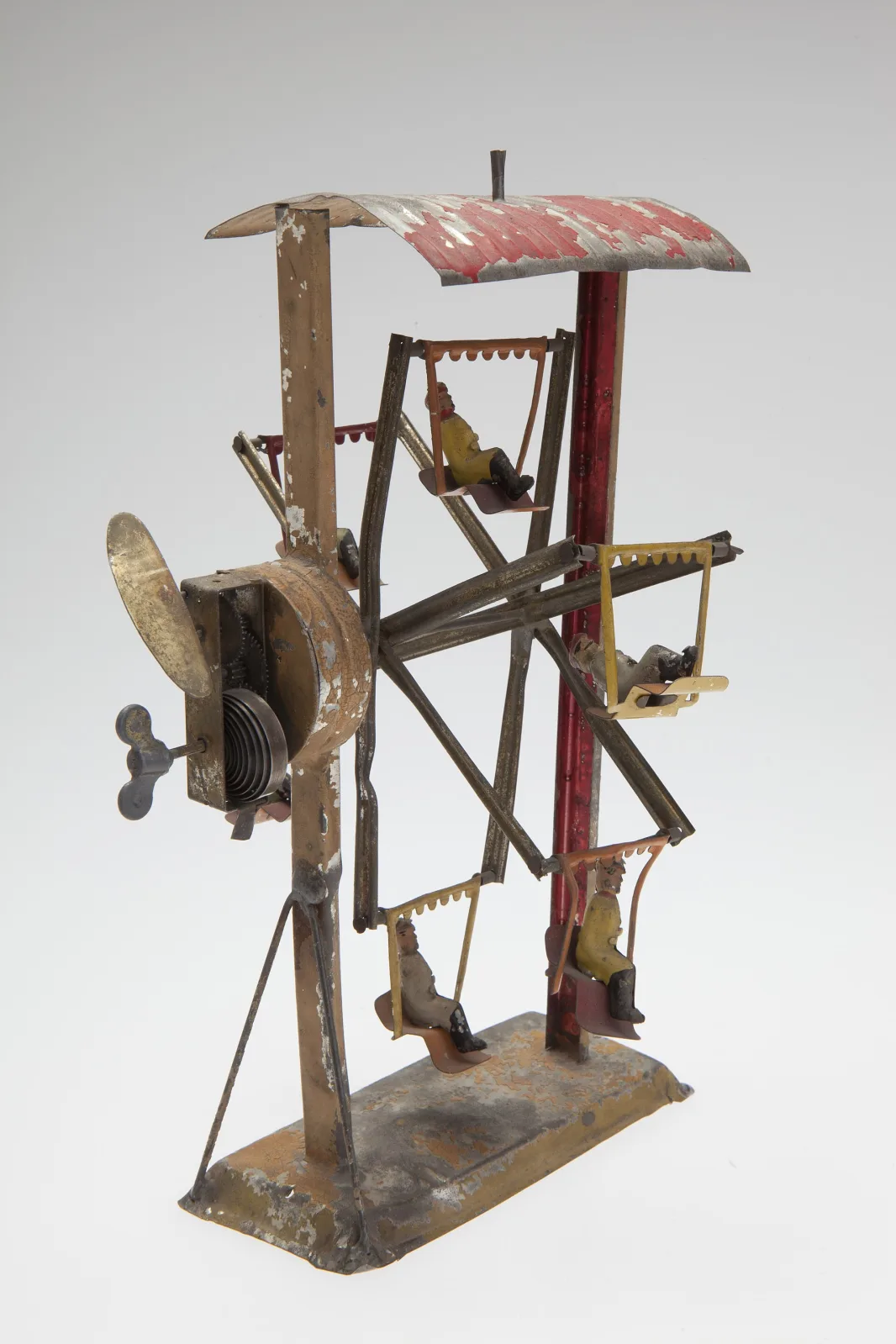
Clockwork (Wind-up)
- Keys: Separate or captive keys; earlier keys are hand-cut or stamped steel.
- Springs and Governors: Click sounds, speed regulators, ratchet teeth profiles.
Friction and Flywheel
- Tell-tales: Rubberized rollers, flywheel housings, felt pads under bases.
Electric and Battery (1930s–1950s)
- Clues: Cloth-covered wire early; PVC later. Bakelite switches on pre-war versions.
- Safety: Test with low-voltage bench supply; avoid old carbon-zinc leakage.

Maker Marks, Patents, and Country of Origin
Stamped, cast, or lithographed marks can pinpoint maker and date range.
- Germany/US Zone/GDR: Post-war marks narrow 1945–1960s production.
- Japan/Occupied Japan: 1947–1952 Occupied Japan marks; “Made in Japan” pre- and post-war.
- US Patent/Design Numbers: Map to filing dates; check for “Pat. Pending.”
- Cast-in Maker Names: Hubley, Arcade on iron; Lehmann, Schuco litho logos on tin.
Absence of marks is not conclusive—compare construction and catalog images.
Category Breakdowns: Dolls, Vehicles, Figures, Games
Dolls and Figures
- Bisque/China Heads: Mold numbers and maker stamps on necks.
- Composition Dolls: Joint types (ball/socket), crazing patterns, original paint.
- Celluloid: Seams, translucence, extreme fragility.
- Action Figures (late 1940s–50s): Riveted joints, early plastics, painted tin accessories.
- Toy Soldiers & Tin Figures: Hollow-cast or solid lead figures by makers like Britains, Heyde, and Mignot — see our dedicated antique toy soldiers identification guide for detailed maker marks and dating.
Vehicles (Cars, Trains, Boats, Planes)
- Cast Iron Autos: Two-piece bodies, nickel-plated wheels, solid rubber tires.
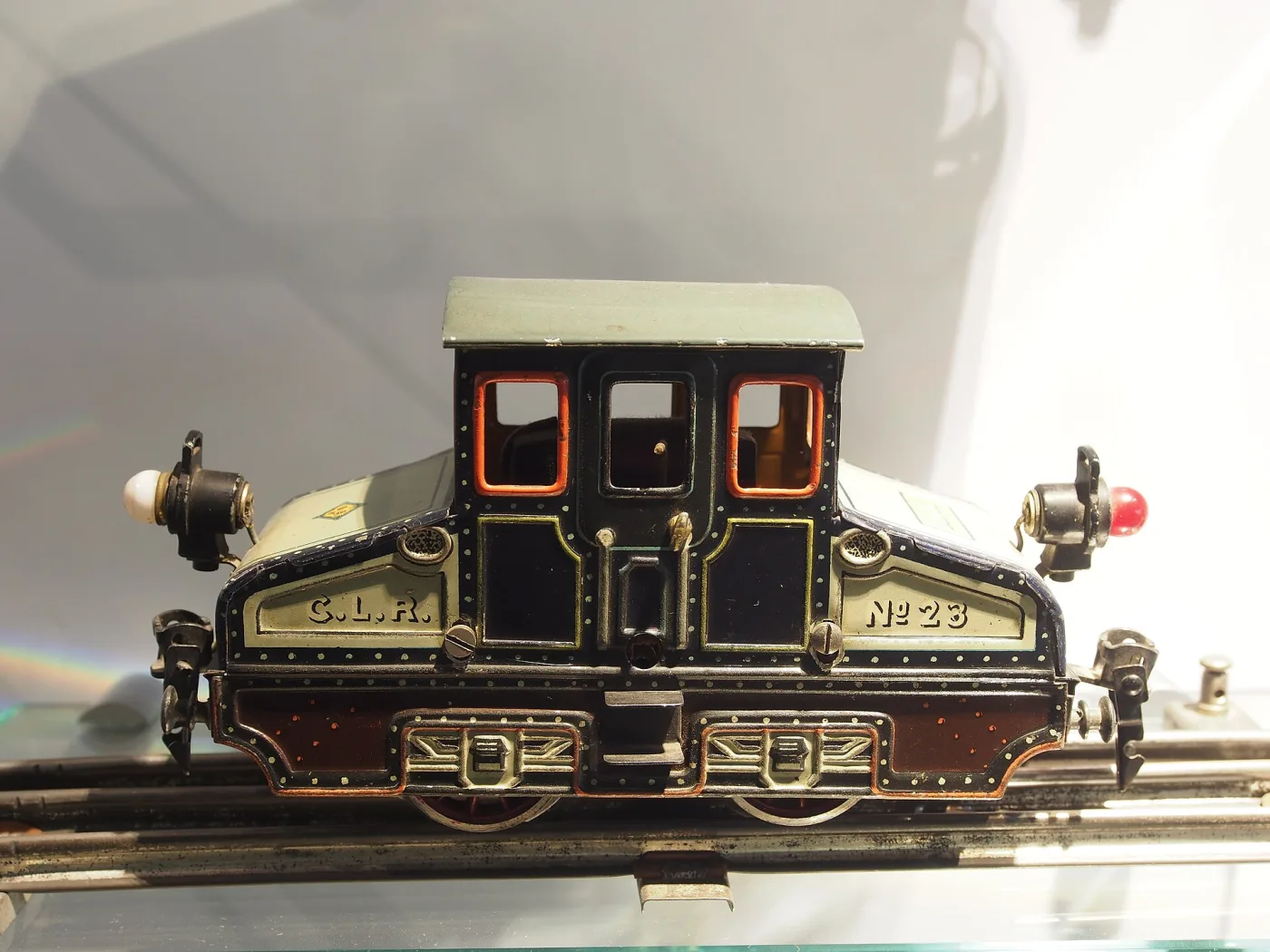
- Tinplate Trains: Gauge and couplers; Märklin, Bing, Lionel prewar identifiers — see our dedicated antique toy train identification guide for gauge measurements and maker-by-maker dating.
- Pressed Steel Trucks: Baked enamel, litho decals, rolled edges.
Wind-up Novelties and Robots
- Japanese Tin Robots (1950s): Litho chest panels, spark windows, box art dating clues.
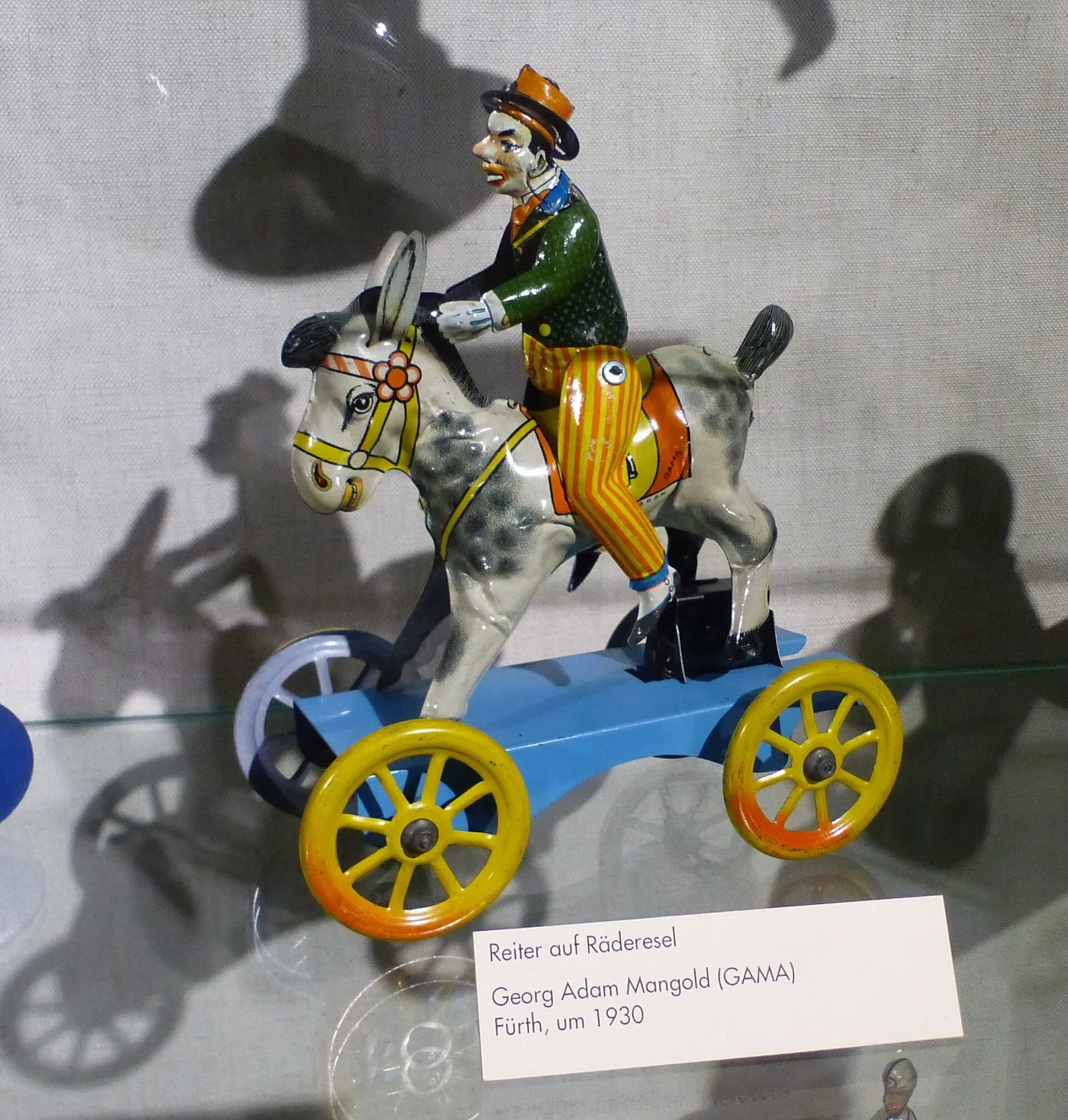
- Animals and Clowns: Cam-driven waddles, felt clothing, stitched accessories.
- Optical Toys: Lithographed tin-and-cardboard kaleidoscopes and other parlor amusements; graphics, mirror quality, and object cells date them.
Board Games and Puzzles
- Printing: Stone litho vs offset; chipboard thickness and corner wear.
- Completeness: Original spinners, tokens, instruction sheets affect value heavily.
Restoration, Repaints, and Replacement Parts
Professional restorations can be hard to spot; use a systematic approach.
- UV Light: Fluorescence reveals overpaint and modern varnishes.
- Under Magnification: Edge pooling, brush direction changes, modern pigment granularity.
- Fastener Mismatch: New Phillips screws on pre-1930s toys signal intervention.
- Rubber/Tire Replacement: Modern rubber sheen, mold lines, and odor differ from originals.
- Decal/Transfer: Crisp edges without carrier film wear are suspect.
Always disclose restorations; they can preserve function but reduce originality premiums.
Condition Grading and Value Impact
Common grading shorthand: MIB (Mint in Box), NM (Near Mint), EX (Excellent), VG (Very Good), G (Good), F (Fair), P (Poor).
Value Deductions (Typical Ranges)
- Missing Box: −20% to −60% depending on rarity and graphics.
- Overpaint/Repaint: −30% to −70%; museum-quality conservation fares better.
- Part Replacements: −15% to −50% (keys, tires, windshields, figures).
- Mechanism Non-Working: −10% to −40% (varies by complexity and fixability).
Documentation (original catalogs, patent papers, period ads) can add 10–25%.
Safety, Handling, and Storage
- Celluloid: Keep away from heat and sunlight; store ventilated and isolated.
- Lead Paint: Avoid ingestion/contact; handle with gloves; keep away from kids.
- Springs and Small Parts: Secure keys; store in padded boxes; avoid tension storage.
- Humidity/Temp: Aim 45–55% RH; 18–22°C; acid-free tissue for textiles.
Market Factors and Value Drivers
- Rarity: Short production runs, regional makers, wartime disruptions.
- Iconic Designs: Early robots, character toys, landmark vehicles.
- Original Packaging: Box art and inserts dramatically amplify demand.
- Cross-Collecting: Automotive, comic, and design collectors increase competition.
- Provenance: Named collections, exhibition histories, documented repairs.
Market cycles favor fresh-to-market, original examples with strong visuals and working mechanisms.
Conclusion
Antique toy identification blends materials analysis, mechanical understanding, and historical research. By reading seams and fasteners, decoding litho and paint, and triangulating maker marks with patent and origin data, you can accurately date and authenticate toys across categories. Preserve originality when possible, document restorations, and handle hazardous materials safely to protect both artifacts and collectors.