
Antique Automata Identification Guide: Mechanical Marvels, Makers & Market Value
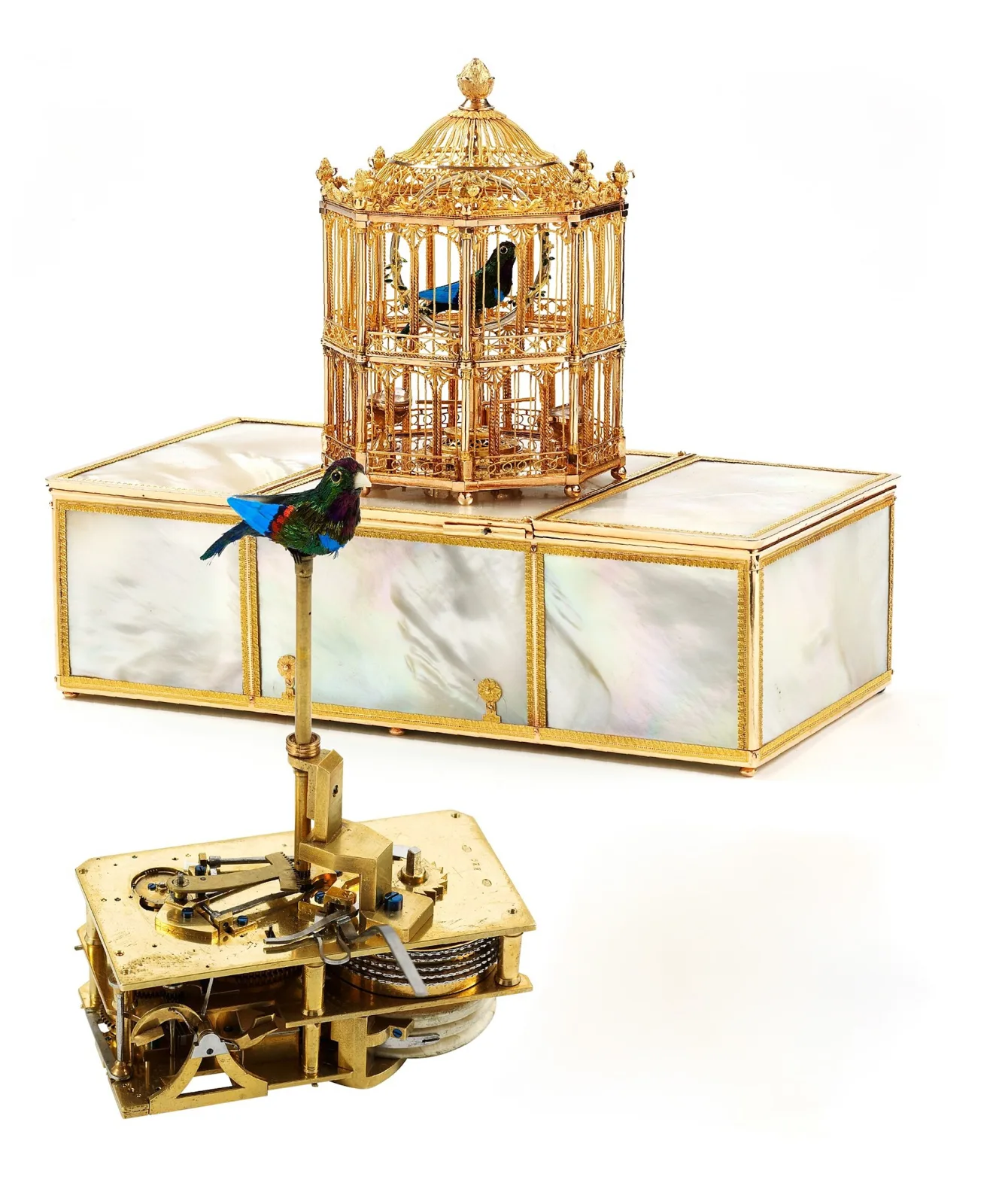
Antique automata represent the pinnacle of mechanical artistry—ingenious clockwork creations that delighted 18th and 19th century audiences with lifelike movements, music, and theatrical storytelling. From singing birds and magician figures to elaborate tableaux automata that once dazzled royal courts, each piece combines horological engineering, sculptural finesse, and rich cultural history. This in-depth guide gives collectors, curators, and app enthusiasts a step-by-step framework for identifying, authenticating, and valuing antique automata with confidence.
Table of Contents
- Understanding Automata Types and Terminology
- Mechanical Analysis and Movement Diagnosis
- Materials, Craftsmanship, and Decorative Techniques
- Maker Marks, Signatures, and Documentation
- Dating Techniques and Historical Context
- Condition Assessment and Conservation Priorities
- Market Dynamics, Valuation Drivers, and Investment Trends
- Authentication Checklist and Research Resources
Understanding Automata Types and Terminology
Automata (singular: automaton) are self-operating mechanical figures or scenes powered by clockwork mechanisms. Distinguishing between categories is essential for accurate identification and valuation.
Core Automata Categories
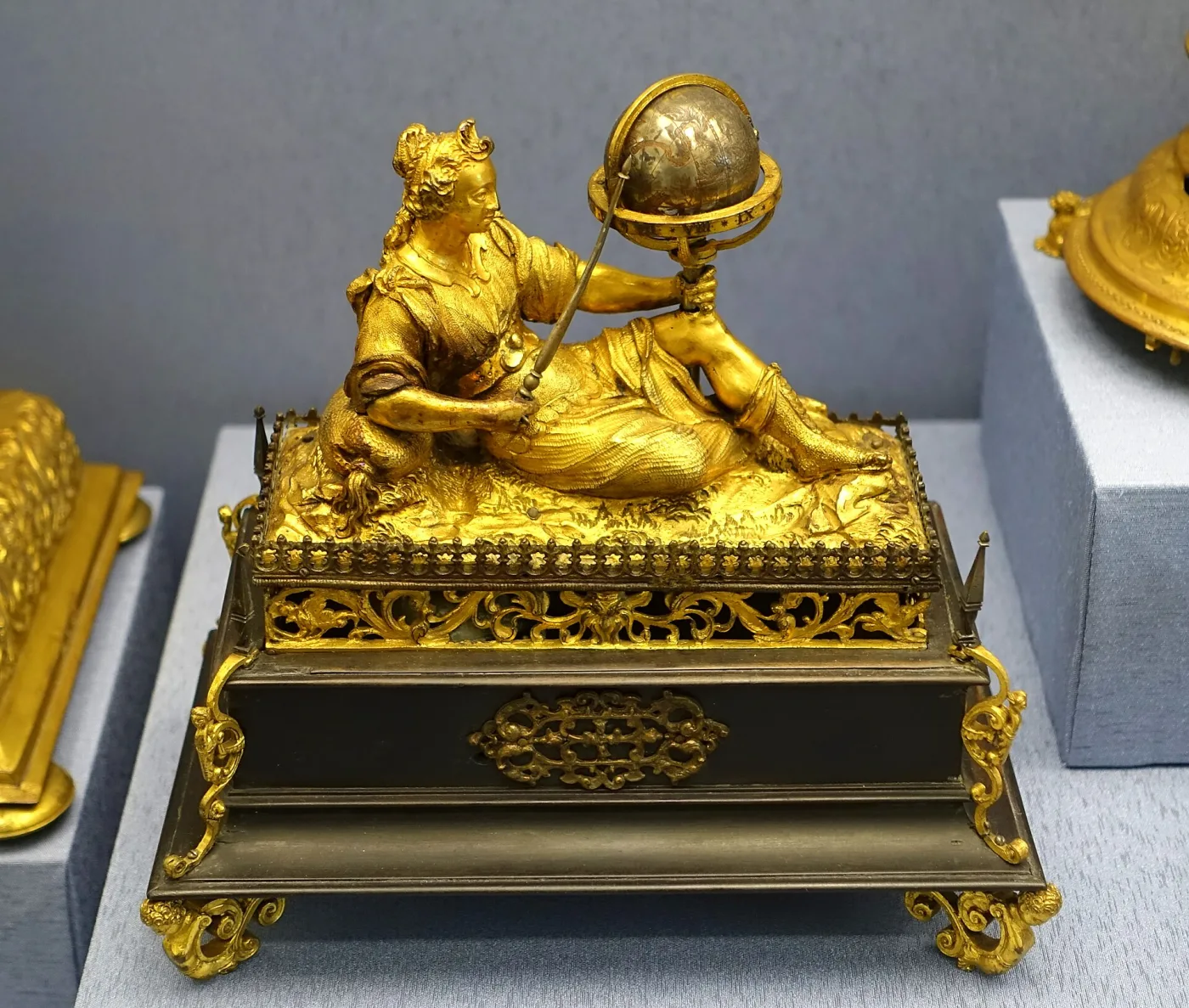
- Tabletop Automata: Compact figures or scenes placed on bases, common in 18th–19th century France and Switzerland.
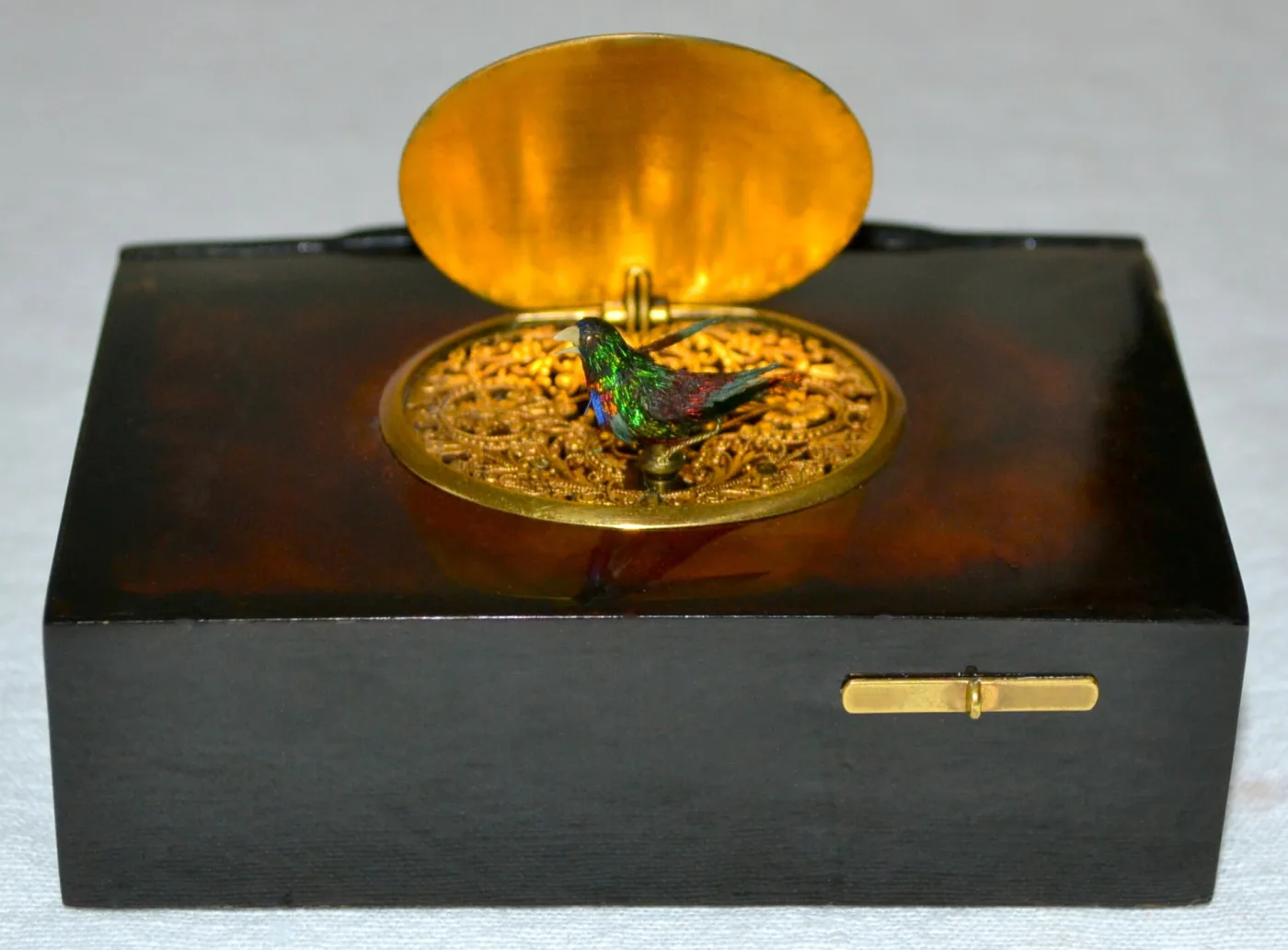
- Singing Bird Automata: Caged or box-form birds driven by bellows and cams that replicate birdsong.
- Magician and Performer Figures: Human figures executing tricks, often made by makers like Jean Eugène Robert-Houdin.
- Automaton Clocks: Timepieces with animated figures integrated into the dial or case.
- Scene or Tableau Automata: Large multi-figure vignettes with complex sequential actions, popular in Victorian exhibitions.
Key Terminology
- Going Train: Gear train driving the motion sequence.
- Cam Stack: Layered cams that control timed movements.
- Bellow Assembly: Air reservoirs producing sound in bird automata.
- Fusee: Cone-shaped component regulating power delivery from the mainspring.
- Stop Work: Mechanism that limits over-winding and protects the mainspring.
Regional Characteristics
French automata often emphasize theatrical narratives, Swiss pieces focus on musical precision, while German and English examples may integrate automata with intricate clock cases. Recognizing regional aesthetics can narrow down attribution.
Mechanical Analysis and Movement Diagnosis
Mechanical examination reveals how an automaton operates, whether parts are original, and if later repairs compromise authenticity.
Movement Architecture
- Power Source: Identify whether the automaton uses a key-wound mainspring, weight-driven system, or multiple barrels.
- Gear Trains: Study gear profiles and materials to spot replacements or non-period components.
- Sequential Control: Inspect cam profiles, pin wheels, and lever linkages that coordinate multi-stage actions.
- Sound Mechanisms: Analyze bellows, whistle pipes, music boxes, or voice cylinders for period accuracy.
Diagnostic Techniques
- Slow-Motion Testing: Manually cycle the movement without power to observe action sequencing.
- Endoscope Inspection: Use fiber-optic scopes to examine internal linkages with minimal disassembly.
- Non-Destructive Imaging: Employ X-ray or CT scanning for high-value examples to document internal construction.
- Lubricant Analysis: Residue testing can reveal modern repairs; period automata used natural oils and graphite.
Red Flags for Alterations
- Modern Screws & Fasteners: Phillips-head or stainless steel hardware signals later intervention.
- Synthetic Wiring: Plastic-coated wires indicate 20th century repairs.
- Inconsistent Wear Patterns: Shiny gear teeth next to oxidized pivots suggest part replacement.
- Non-Period Solder: Bright lead-free solder seams conflict with 19th century techniques.
Materials, Craftsmanship, and Decorative Techniques
Examining materials used in the casing, figures, and mechanism provides dating clues and reveals quality of execution.
Common Structural Materials
- Brass & Steel: Primary metals for gears, arbors, and plates; look for hand-filed finishing.
- Gilded Bronze: Ormolu mounts and cases typical of Parisian luxury automata.
- Wood: Carved bases, clock cases, and figure armatures; wood species can hint at origin.
- Paper-Mâché & Composition: Lightweight figure bodies used by Vichy and Lambert for expressive animation.
- Textiles & Feathers: Silk costumes, velvet trims, and natural feathers underline period fashion accuracy.
Decorative Treatments
- Polychrome Painting: Hand-painted facial features with glass eyes for realism.
- Ormolu Finishing: Fire-gilded surfaces with mercury gilding; later re-gilding appears overly uniform.
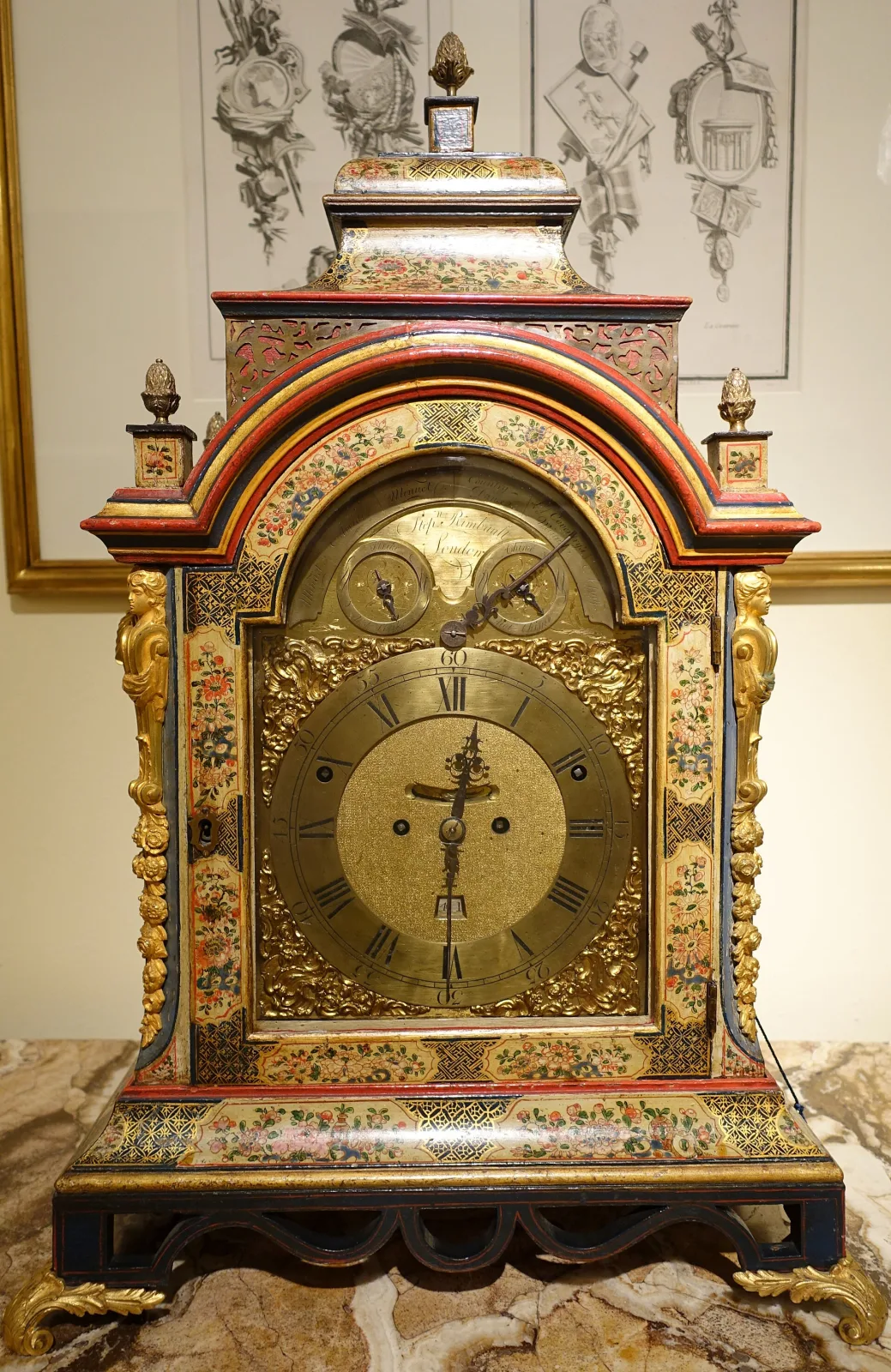
- Japanning & Lacquer: East Asian-inspired finishes on 18th century English automata cases.
- Jeweling & Enamel: Applied to luxury snuff boxes and bird automata by makers such as Bontems.
Craftsmanship Benchmarks
Period automata exhibit meticulous hand-finishing, subtle patination, and harmonious integration of mechanical and aesthetic elements. Mismatched materials, glossy modern varnish, or crude solder joints typically indicate later restorations or reproductions.

Maker Marks, Signatures, and Documentation
Identifying the maker or workshop elevates provenance and drastically influences value. Many automata include hidden maker marks or archival paperwork.
Locating Maker Identifiers
- Movement Plates: Look for stamped initials, serial numbers, or engraved signatures on back plates.
- Base Undersides: Paper labels, inked numbers, or retailer stickers often survive on wooden bases.
- Case Interiors: Luxury makers sometimes signed beneath removable panels or behind mirrors.
- Music Box Cylinders: Names like Nicole Frères, B.A. Bremond, or Paillard can indicate collaborative production.
Prominent Automata Makers
- Vichy (France): Known for expressive character figures and automaton musicians.
- Roullet & Decamps (France): Produced sophisticated magician and theatrical scenes.
- Gustave Vichy & Henry Phalibois: Masters of coin-operated automata and exhibition pieces.
- Société Bontems (France): Specialists in singing bird boxes and cages with precise vocalization.
- John Henry Pepper & British Makers: Integrated Pepper's Ghost illusions into automata displays.
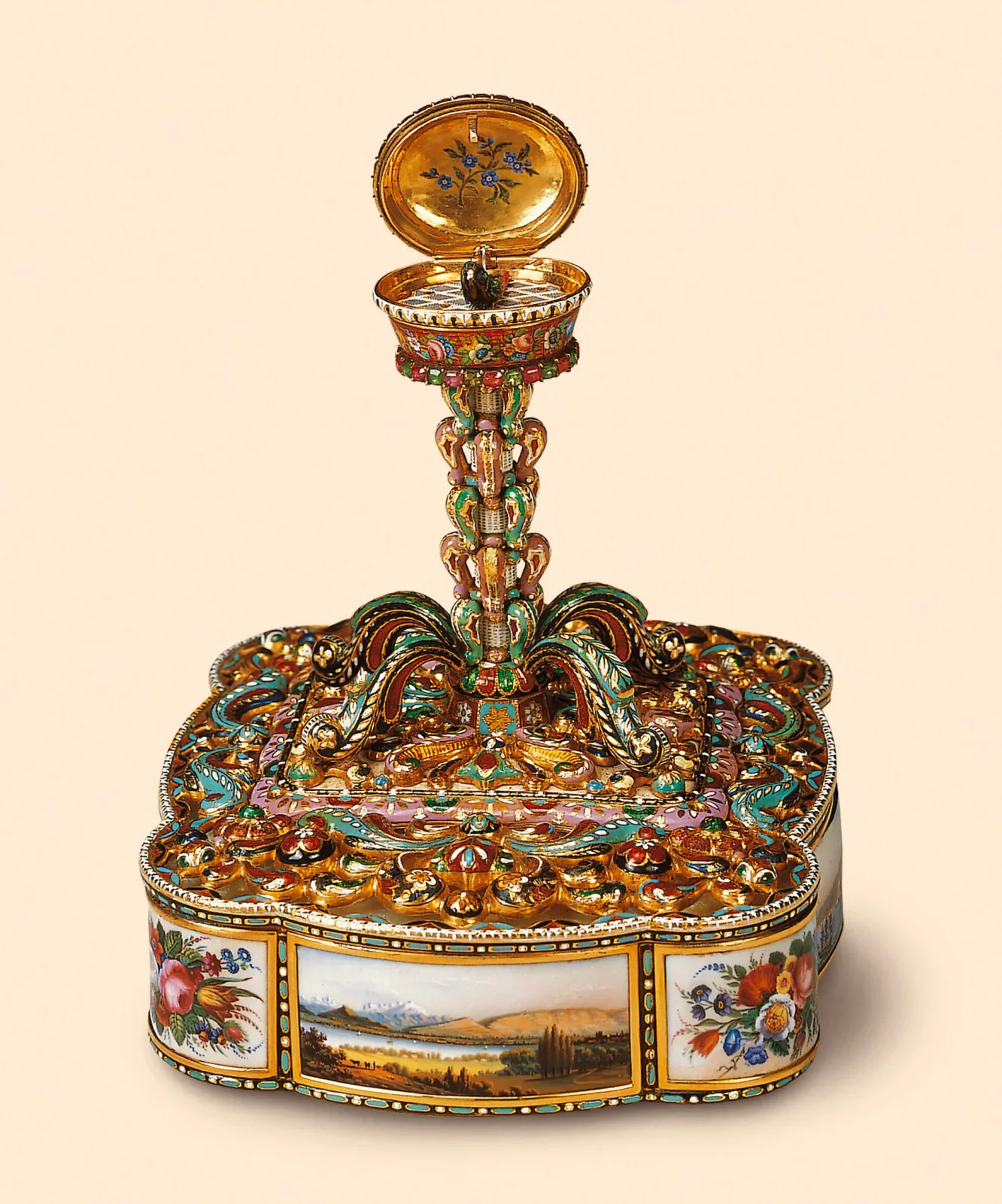
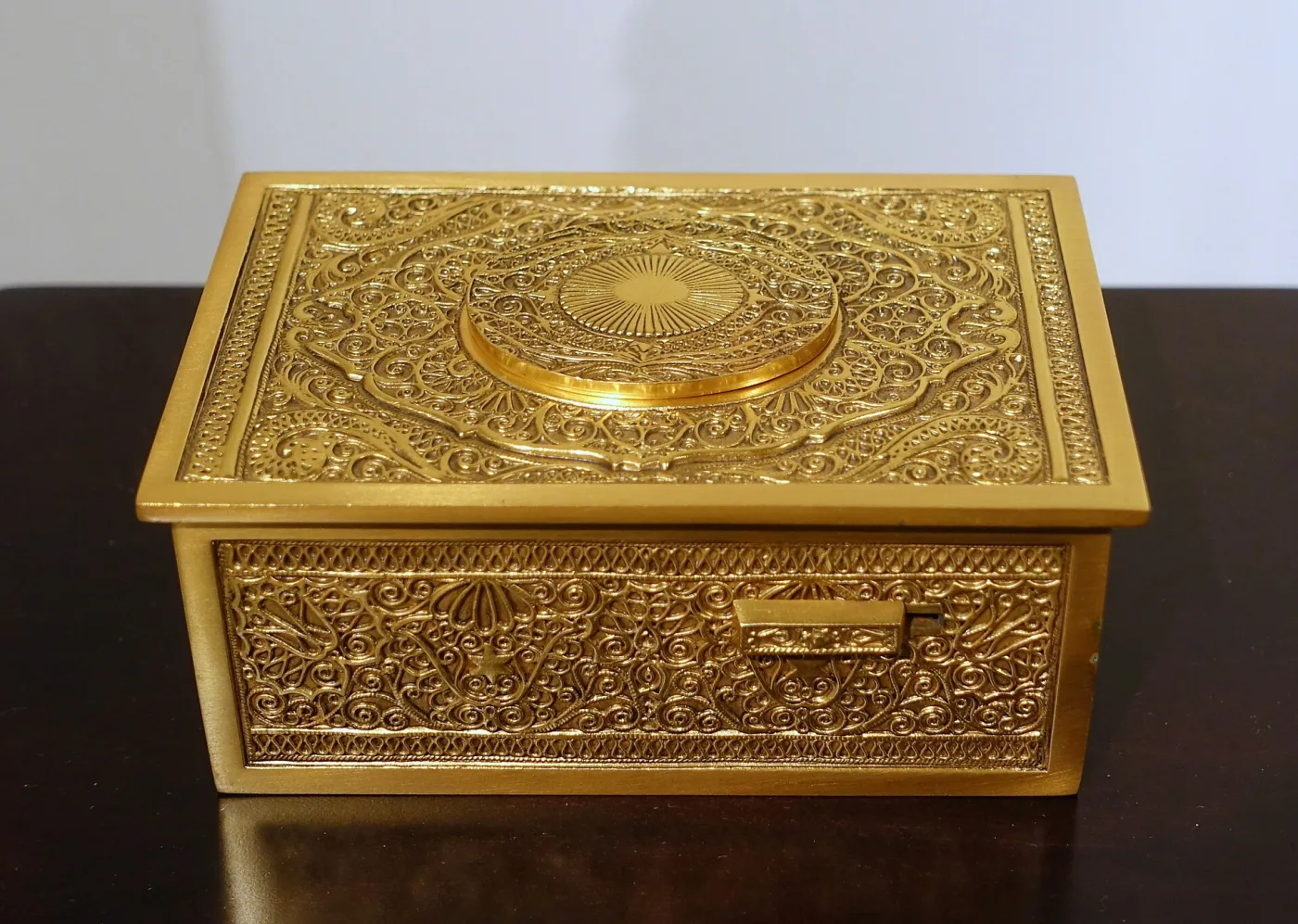
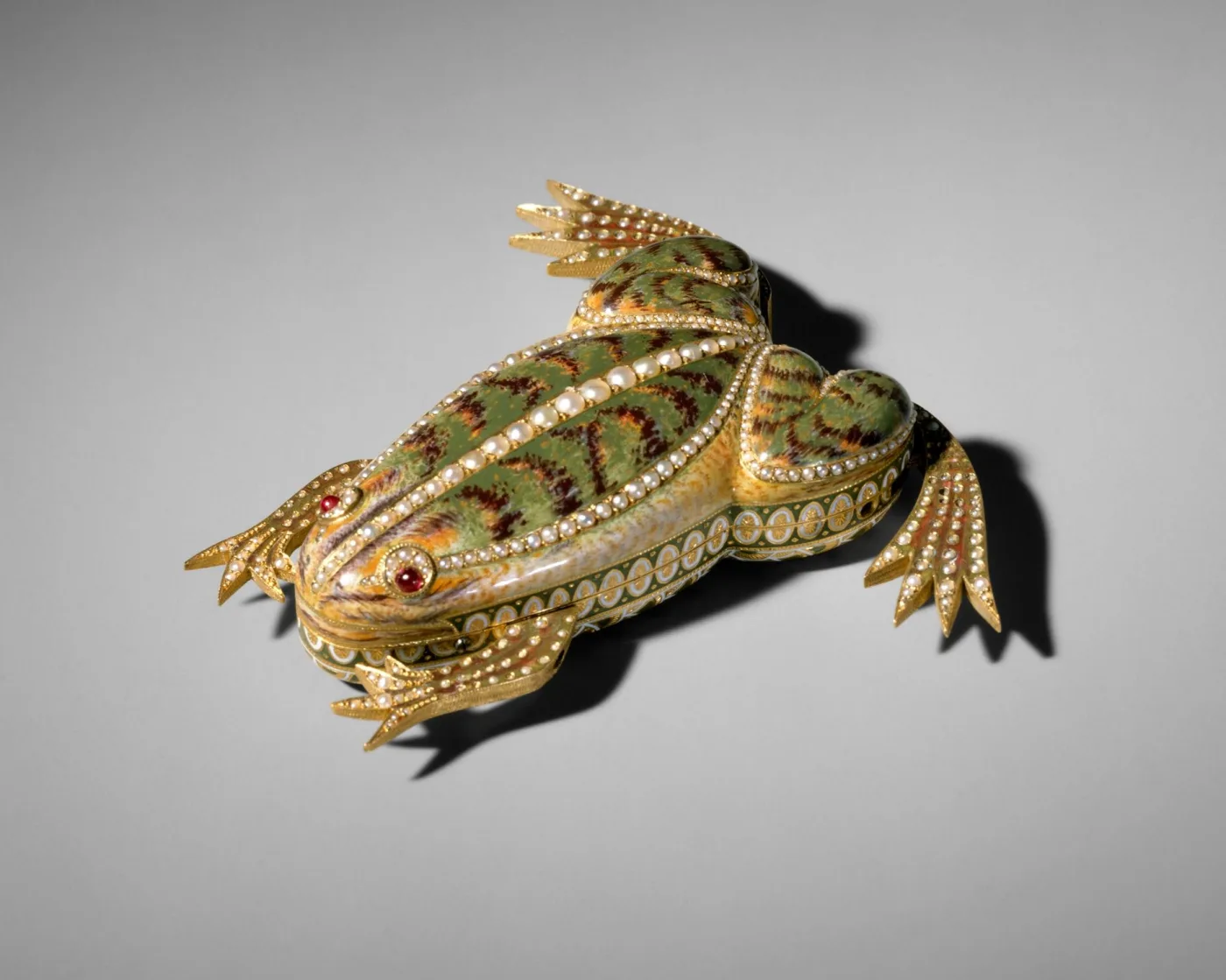
Two named makers about seventy years apart, and between them they show what a signature is worth in this field and what it is attached to. Bruguier is a Geneva name of the first rank, and note how the record reads: the box is his, but the enamel is attributed to a separate specialist. That division is normal — case, movement, enamel and bird were often separate trades — so an attribution can be firm for one part and speculative for another, and a catalogue that names them separately is being careful rather than evasive. The Griesbaum is the other model entirely: a German maker producing for a retailer, so the box carries Tiffany’s name to the buyer and Griesbaum’s to the trade. When a retailer’s name is on the outside, the maker’s is usually stamped on the movement or the baseplate, which is one more reason to insist on seeing inside.
Documentation and Provenance
Original invoices, exhibition catalogs, photographs, or patent filings substantiate provenance. Archive databases from institutions like the Musée des Arts et Métiers or The Franklin Institute can confirm maker histories and model variations.
Dating Techniques and Historical Context
Pinpointing production periods involves analyzing stylistic cues, technological milestones, and socio-cultural influences.
Stylistic Benchmarks
- Rococo & Neoclassical (1750–1820): Elegant gilded cases, mythological scenes, and refined silhouettes.
- Romantic & Victorian (1820–1890): Sentimental narratives, exotic costumes, and elaborate storytelling mechanisms.
- Belle Époque (1890–1914): Art Nouveau influences, electric lighting integration, and luxurious materials.
Technological Indicators
- Spring Steel Quality: Improved uniform steel after 1840 enabled longer performance cycles.
- Electrical Additions: Early 20th century automata may incorporate hidden electric motors or illumination.
- Music Mechanisms: Transition from pinned cylinders to paper roll or disc systems marks late-19th-century innovations.
Historical Influences
Explore context such as the 1862 International Exhibition in London, where numerous automata models debuted, or the popularity of penny arcades in the 1880s that drove demand for coin-operated automata. Newspaper archives and trade journals often mention specific models and retailers.
Condition Assessment and Conservation Priorities
Condition directly affects market value and long-term stability. Evaluate both mechanical integrity and surface preservation.
Condition Metrics
- Operational Status: Fully functioning automata can command premiums of 40–70% over non-operational examples.
- Originality: Check for replaced costumes, repainted faces, or modern bellows fabrics.
- Surface Preservation: Assess gilding wear, lacquer cracking, and textile fading.
- Structural Stability: Inspect joints, pivot bushings, and base integrity for fatigue.
Conservation Best Practices
- Environmental Control: Maintain relative humidity around 45% and temperature near 20°C to protect mixed materials.
- Gentle Cleaning: Use soft brushes and microfibre cloths; avoid solvents that damage paint or gilding.
- Professional Restoration: Engage horological conservators for mainspring replacement or cam re-machining.
- Documentation: Record every intervention with photographs and notes for future custodians.
Storage & Display Tips
Display automata in dust-controlled vitrines, avoid direct sunlight, and periodically exercise mechanical movements to prevent lubricant stagnation and spring set.
Market Dynamics, Valuation Drivers, and Investment Trends
Understanding demand cycles and pricing benchmarks helps buyers and sellers position their collections strategically.
Primary Valuation Factors
- Maker Prestige: Signed Vichy or Roullet & Decamps examples often achieve six-figure results.
- Complexity of Motion: Multi-action sequences and music integration increase desirability.
- Condition & Originality: Untouched patina and original costumes drive competitive bidding.
- Documented Provenance: Pieces linked to historic exhibitions or famous collectors garner premium pricing.
Current Market Insights
- Auction Highlights: Major houses in Geneva, Paris, and Hong Kong routinely feature automata in fine clock sales.
- Private Sales: Specialist dealers and horological galleries broker top-tier pieces off-market.
- Museum Influence: Institutional acquisitions raise visibility and benchmark valuations.
- Technology Integration: AI-assisted identification apps and virtual auctions expand buyer pools.
Investment Strategies
- Focus on Quality: Acquire fewer but exceptional examples with documented provenance.
- Diversify Periods: Build collections spanning early French masters to Edwardian arcade automata.
- Budget for Conservation: Set aside 10–15% of acquisition cost for specialist maintenance.
- Track Market Data: Monitor hammer prices, dealer catalogs, and insurance valuations annually.
Authentication Checklist and Research Resources
Use a systematic workflow to verify authenticity and support valuation conclusions.
Step-by-Step Verification
- Document Visual Evidence: Photograph external and internal components before any intervention.
- Cross-Reference Catalogs: Compare with period trade catalogs, auction archives, and maker pattern books.
- Consult Experts: Engage horological societies, IAAPA members, or automata conservators for peer review.
- Compile Provenance Dossier: Gather purchase receipts, customs documents, and family histories.
Recommended Resources
- Literature: "Automata: The Golden Age 1848-1914" by Christian Bailly; "Mechanical Wonders" by The Franklin Institute.
- Archives & Databases: Musée des Arts et Métiers collections, British Horological Institute records, digitized exhibition catalogs.
- Professional Networks: Association of Automata Collectors, International Society of Antique Scale Collectors (for arcade-related pieces), horological forums.
- Digital Tools: Antique Identifier app for AI-assisted image analysis and comparable sale tracking.
Combine physical inspection, archival research, and expert consultation to build a robust authentication file that supports insurance, appraisal, or sale negotiations.
Conclusion
Antique automata capture the imagination with their blend of engineering ingenuity and artistic storytelling. By mastering mechanical analysis, scrutinizing materials and maker marks, and contextualizing each piece within horological history, you can confidently differentiate genuine period automata from later reproductions and accurately estimate market potential.
Approach each automaton as a multidisciplinary project—part clockwork, part sculpture, part performing art—and document every discovery. With careful stewardship, these mechanical marvels will continue to charm collectors and audiences for generations.