Antique Textile Identification Guide: Fibers, Dating & Authentication
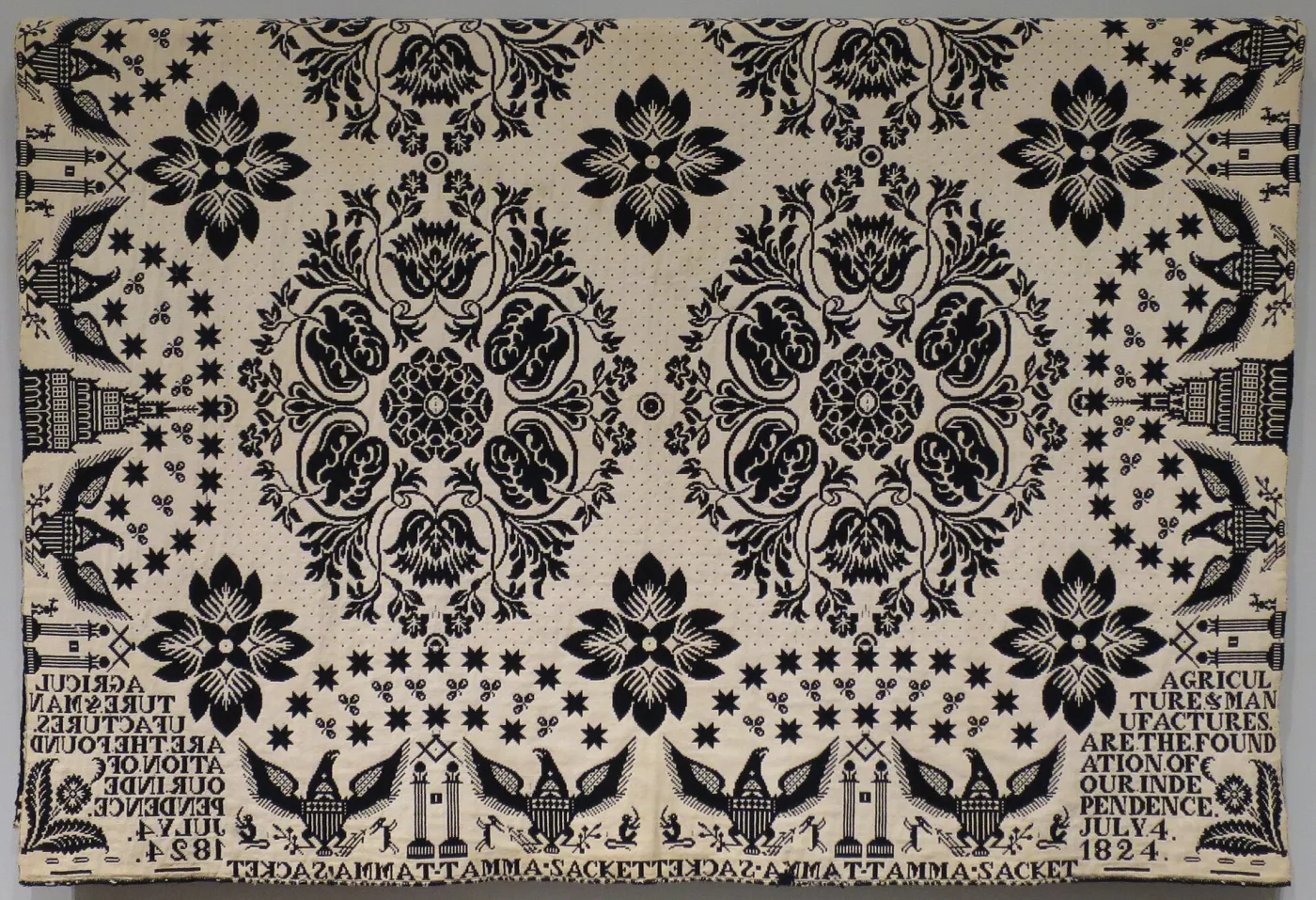
Antique textiles represent some of the most beautiful and historically significant pieces in the world of antiques. From delicate silk embroideries to sturdy wool tapestries, each piece tells a story of craftsmanship, cultural heritage, and technological innovation. This comprehensive guide will teach you everything you need to know about identifying antique textiles, from understanding fiber types to recognizing weaving techniques and determining value.
Table of Contents
- Understanding Textiles and Their Properties
- Fiber Identification and Analysis
- Weaving Techniques and Patterns
- Dye Analysis and Color Dating
- Types of Antique Textiles
- Dating Methods and Techniques
- Condition Assessment and Value
- Market Factors and Trends
- Digital Tools for Identification
- Expert Tips and Best Practices
Understanding Textiles and Their Properties
Before diving into identification, it's essential to understand what textiles are and how they differ from other materials.
What are Textiles?
Textiles are flexible materials made from:
- Natural Fibers: Cotton, wool, silk, linen
- Animal Fibers: Wool, silk, cashmere, alpaca
- Plant Fibers: Cotton, linen, hemp, jute
- Man-made Fibers: Rayon, nylon, polyester
Textile Properties
Understanding textile characteristics helps with identification:
- Strength: Resistance to tearing and breaking
- Elasticity: Ability to stretch and return
- Absorbency: Capacity to hold moisture
- Thermal Properties: Heat retention and insulation
Textile vs. Other Materials
Distinguishing textiles from similar materials:
- Leather: Animal hide, not woven
- Paper: Plant fibers, not flexible
- Plastic: Synthetic, different texture
Fiber Identification and Analysis
Understanding fiber types is crucial for textile identification and dating.
Natural Fibers
- Cotton: Soft, absorbent, plant-based
- Wool: Warm, elastic, animal-based
- Silk: Smooth, lustrous, insect-based
- Linen: Strong, cool, plant-based
Fiber Testing Methods
- Burn Test: Different fibers burn differently
- Microscopic Analysis: Fiber structure examination
- Chemical Tests: Solubility and reaction tests
- Feel Test: Texture and weight assessment
Fiber Dating Clues
- Natural vs. Synthetic: Synthetic fibers indicate later dates
- Fiber Quality: Finer fibers often indicate earlier periods
- Processing Methods: Hand vs. machine processing
- Regional Availability: Local fiber preferences
Weaving Techniques and Patterns
Weaving techniques provide important clues for dating and identifying textiles.
Basic Weave Structures
- Plain Weave: Simple over-under pattern
- Twill Weave: Diagonal pattern, more durable
- Satin Weave: Smooth surface, less durable
- Jacquard Weave: Complex patterns, computerized
Historical Weaving Methods
- Hand Looming: Individual craftsmanship, variations
- Power Looming: Machine production, uniformity
- Jacquard Looming: Complex pattern capability
- Modern Weaving: Computer-controlled precision
The Jacquard loom's ability to weave pictorial patterns from punched cards made possible an entire genre of Victorian novelties, including the woven silk pictures known as Stevengraphs, where color and detail come entirely from silk threads rather than print.
Pattern Identification
- Geometric Patterns: Simple, early designs
- Floral Patterns: Nature-inspired motifs
- Abstract Patterns: Modern, artistic designs
- Cultural Patterns: Regional and ethnic designs
Dye Analysis and Color Dating
Understanding dyes helps with dating and authenticating textiles.
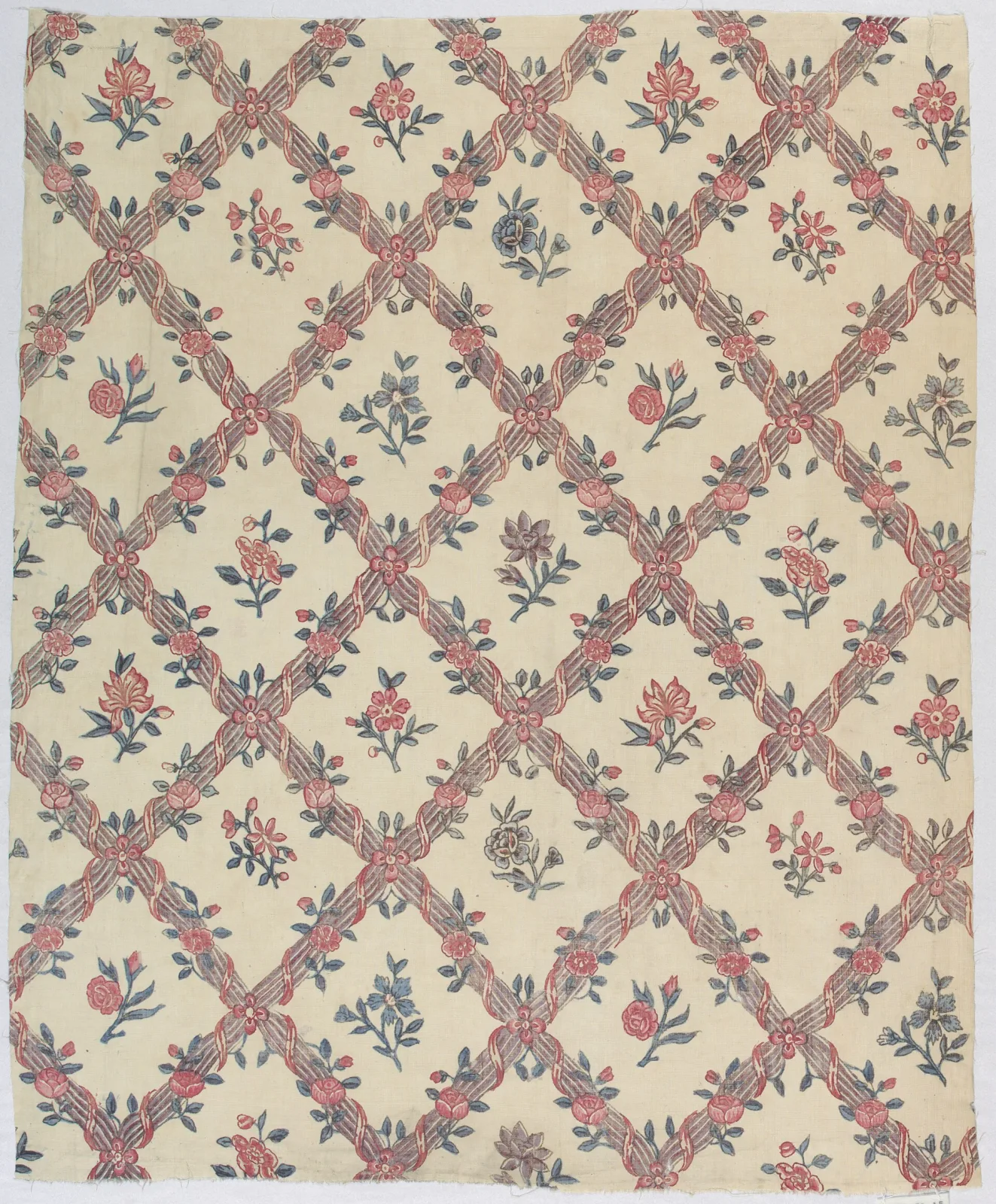
Natural Dyes
- Plant Dyes: Indigo, madder, weld
- Animal Dyes: Cochineal, shellfish purple
- Mineral Dyes: Iron, copper, aluminum
- Characteristics: Muted colors, natural variations
Synthetic Dyes
- Aniline Dyes: First synthetic dyes (1856)
- Azo Dyes: Bright, colorfast dyes
- Characteristics: Bright colors, consistent results
- Dating Clues: Indicate post-1856 production
Dye Testing Methods
- Colorfastness: Resistance to fading
- Solubility Tests: Chemical reaction analysis
- UV Analysis: Fluorescence examination
- Historical Research: Dye availability by period

Types of Antique Textiles
Different types of textiles have distinct characteristics and values.
Clothing and Apparel
- Dresses: Formal and everyday wear
- Suits and Coats: Men's and women's outerwear
- Accessories: Hats, gloves, scarves
- Underwear: Historical undergarments
Home Textiles
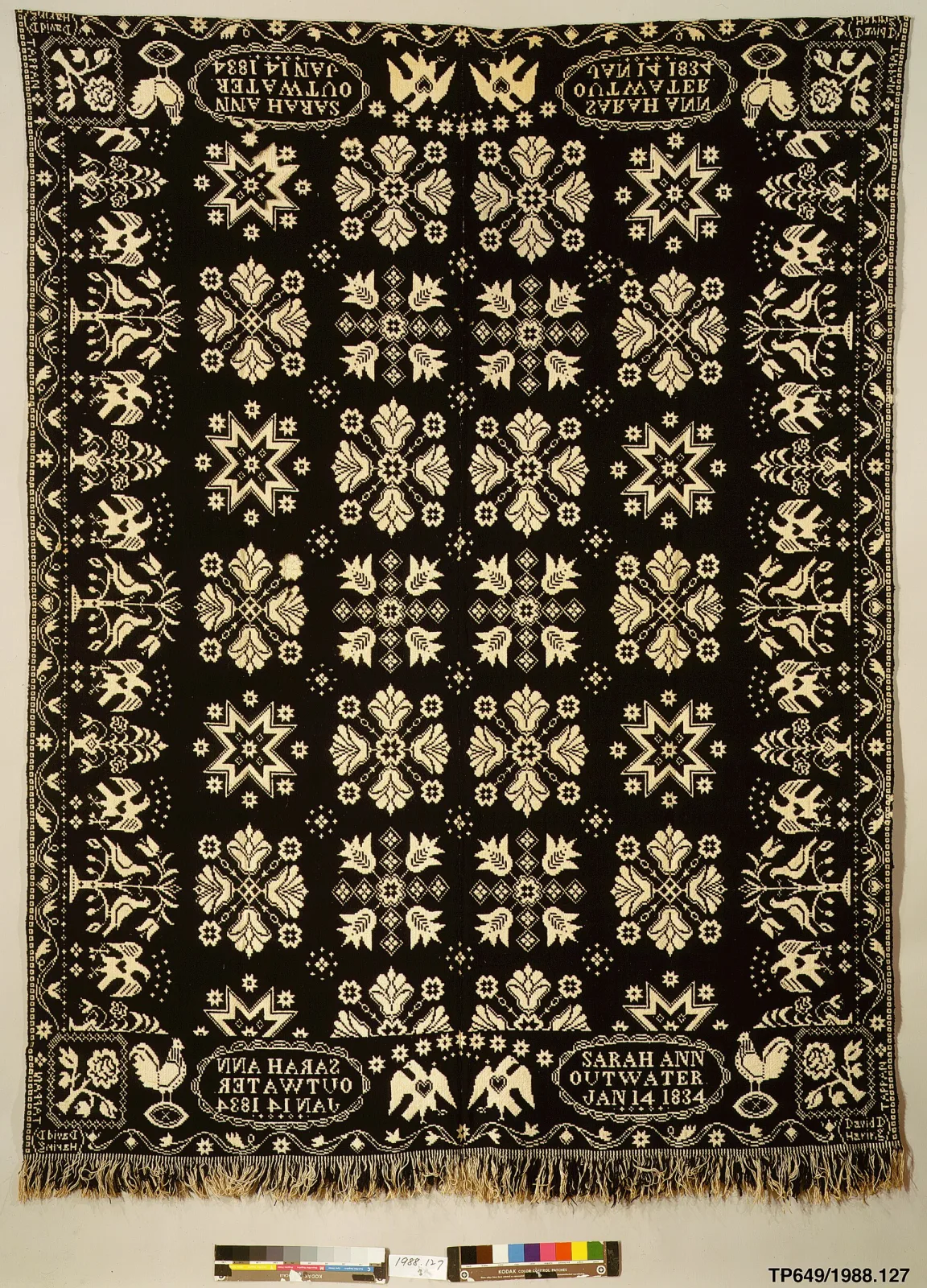
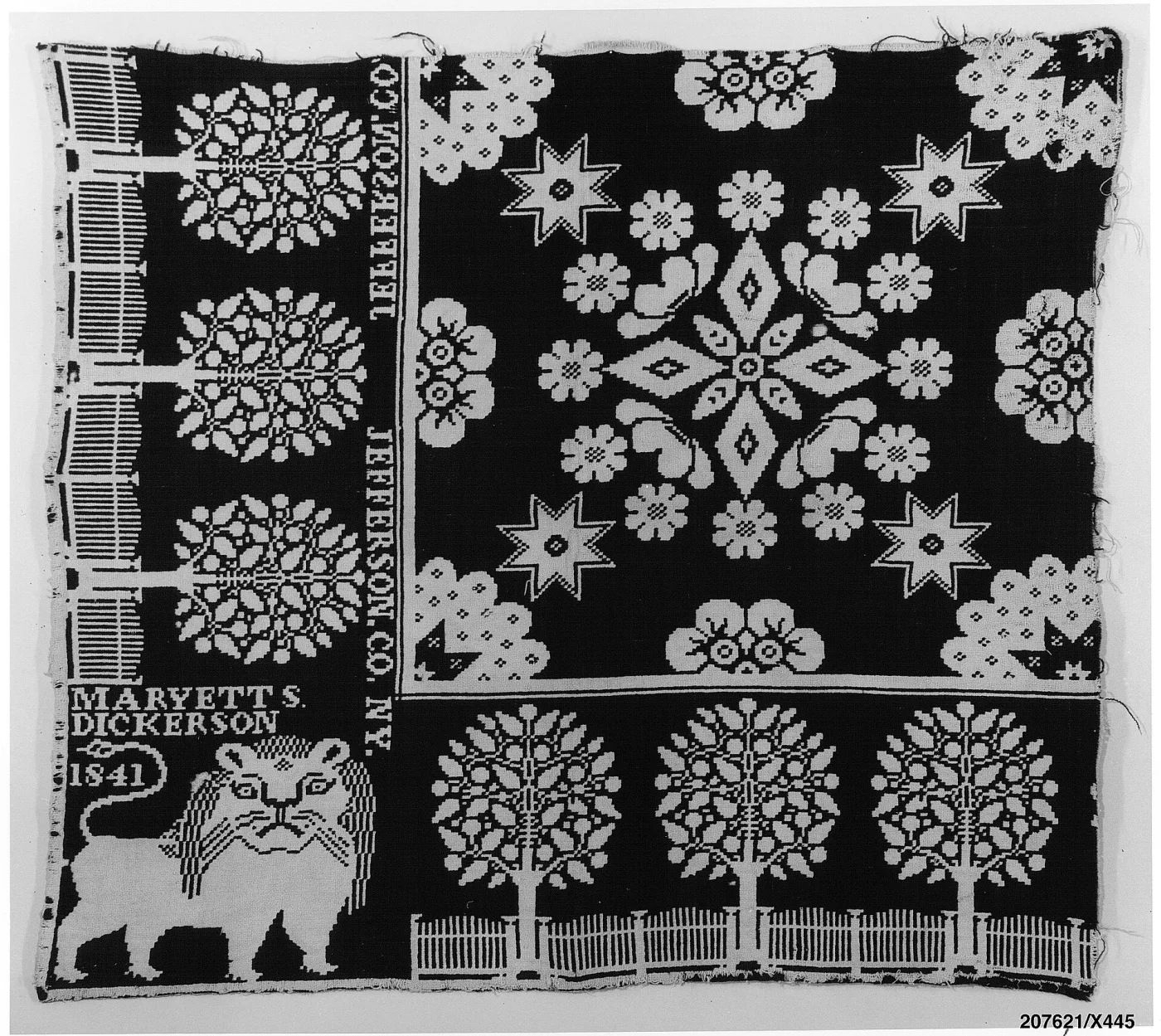
- Bedding: Quilts, handwoven coverlets, sheets
- Curtains: Window treatments and drapery
- Upholstery: Furniture coverings
- Table Linens: Tablecloths, napkins, runners
Decorative Textiles
- Tapestries: Woven wall hangings
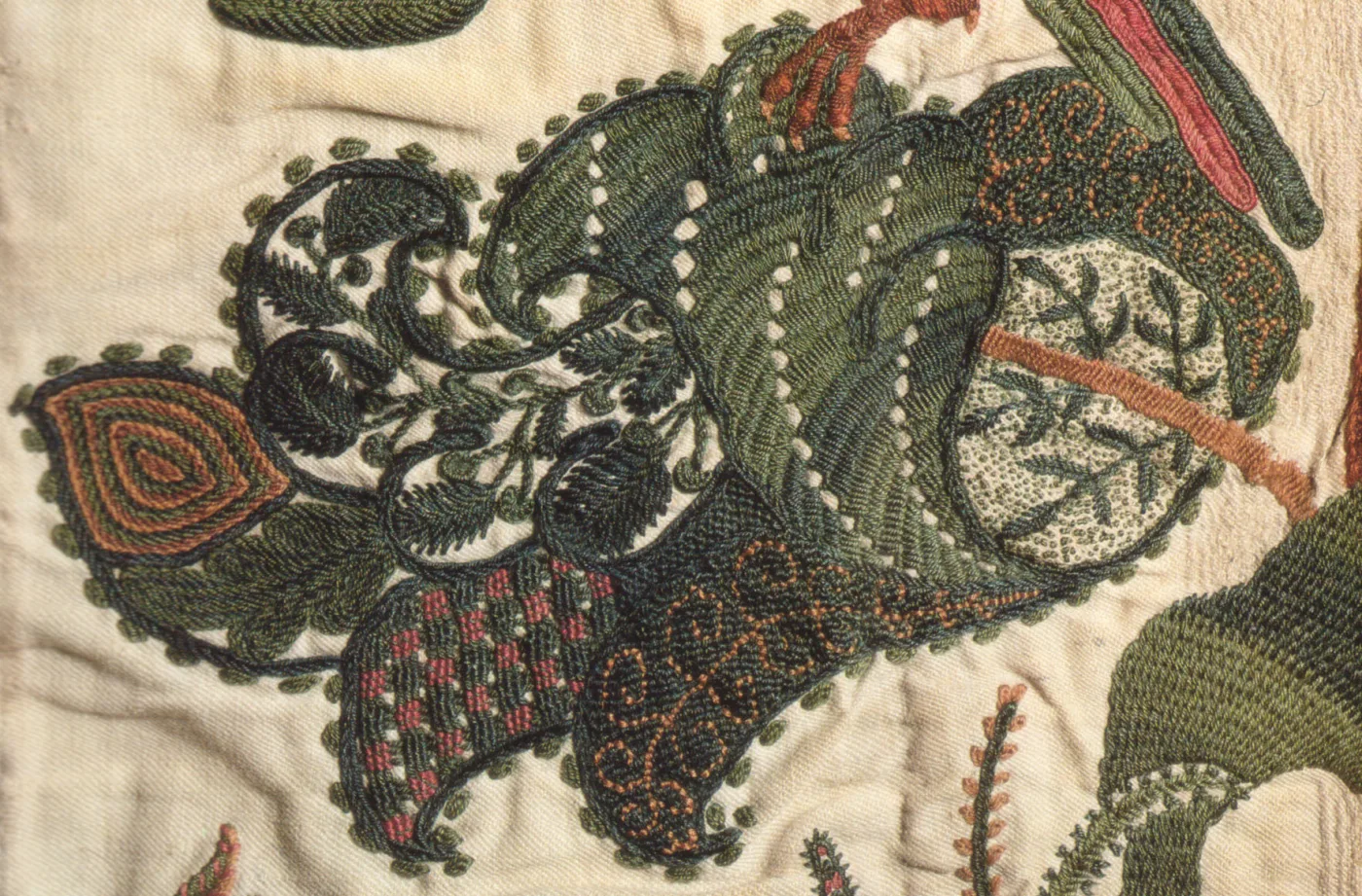
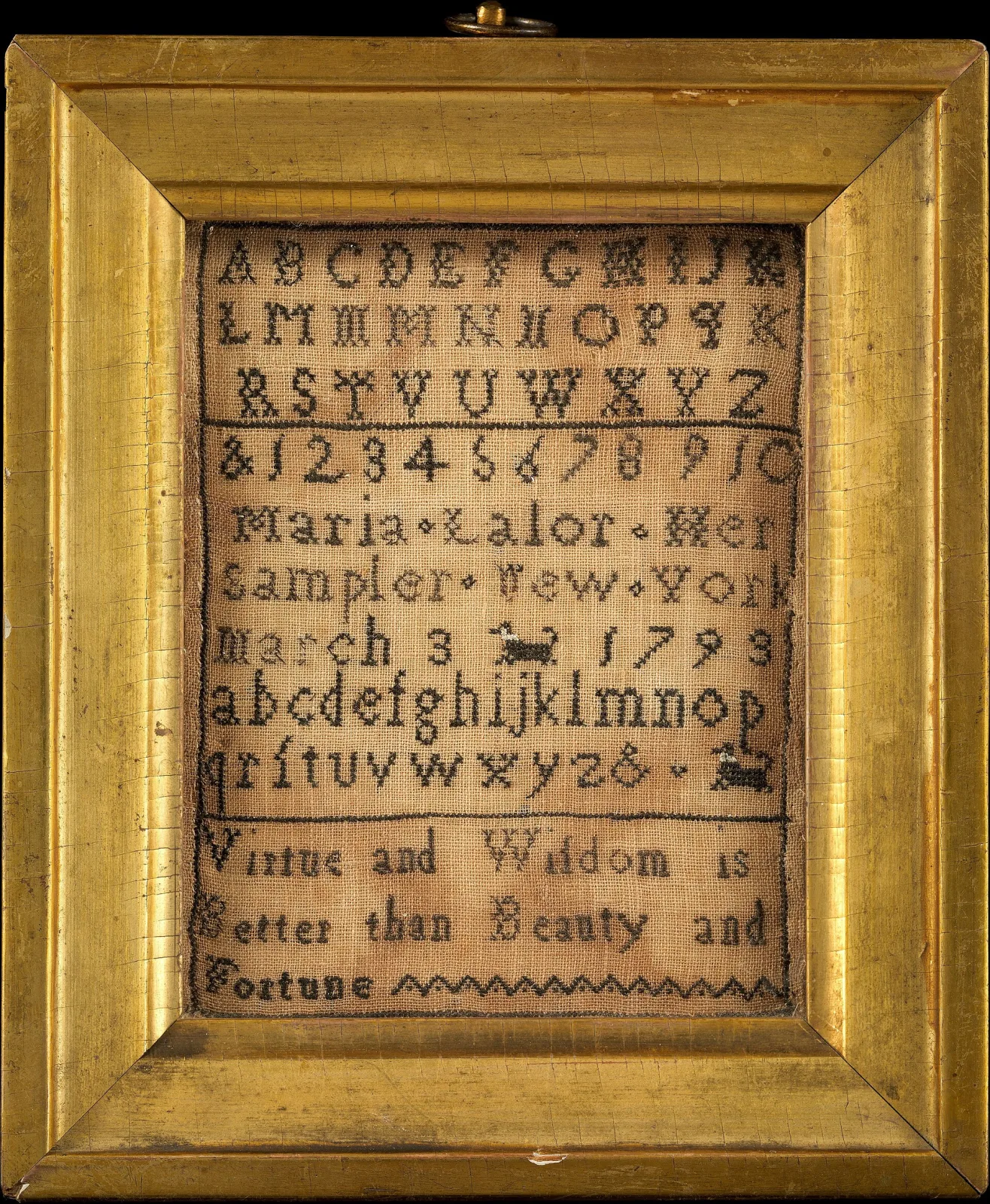
- Embroidery: Decorative needlework
- Lace: Delicate openwork patterns
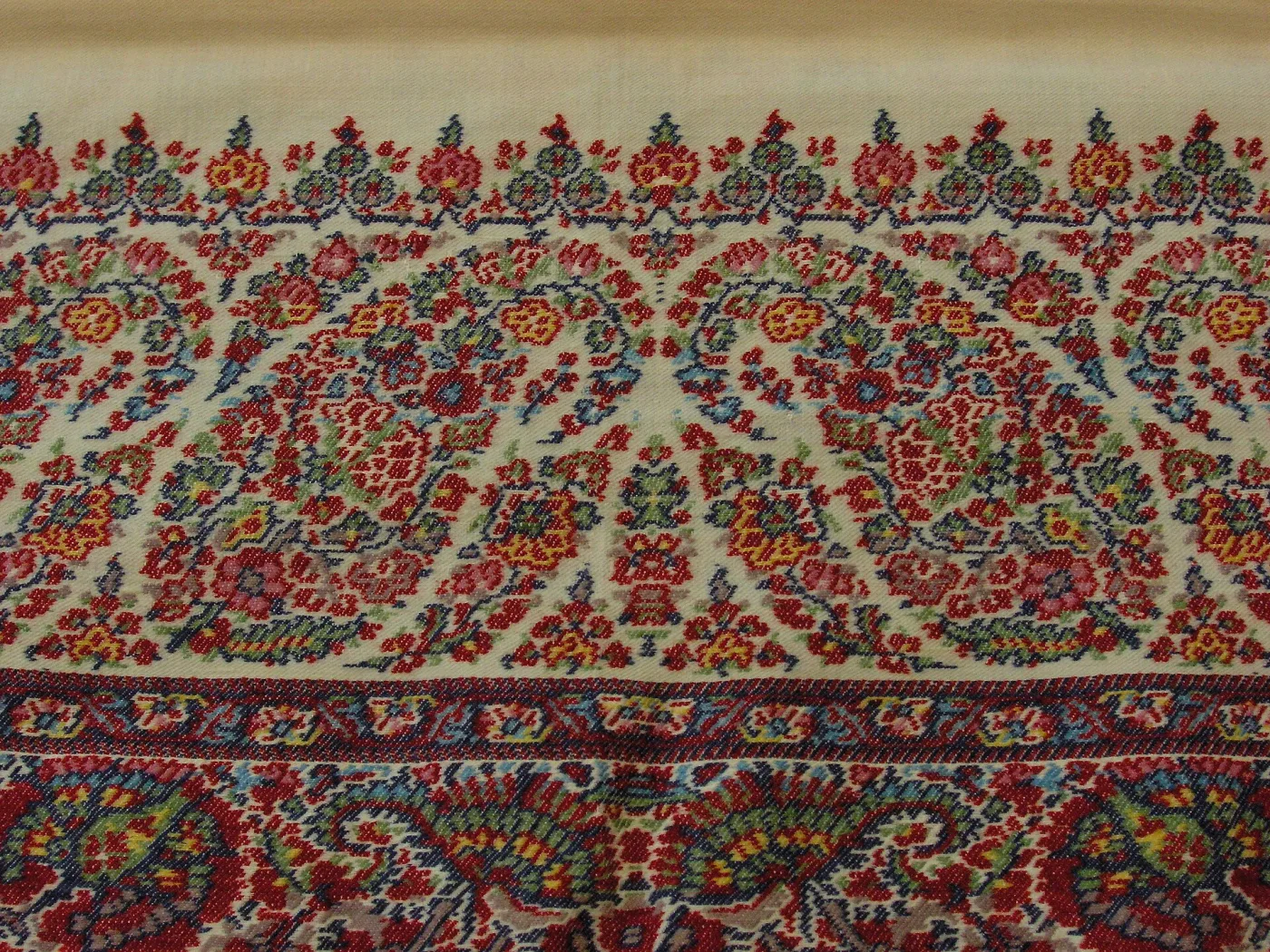
- Rugs and Carpets: Floor coverings, from knotted Oriental carpets to American hooked rugs
Dating Methods and Techniques
Accurate dating of antique textiles requires multiple approaches and careful analysis.
Style Analysis
- Design Elements: Patterns, motifs, proportions
- Historical Context: Social, political, economic influences
- Regional Variations: Local styles and preferences
- Fashion Trends: Popular styles and their evolution
Technical Dating
- Construction Methods: Hand vs. machine production
- Material Analysis: Fiber types and quality
- Dye Analysis: Natural vs. synthetic dyes
- Scientific Methods: Carbon dating, fiber analysis
Provenance Research
- Family History: Ownership documentation
- Sales Records: Auction and dealer records
- Photographs: Historical images showing textiles
- Insurance Records: Appraisal documentation
Condition Assessment and Value
Understanding textile condition is crucial for value determination.
Condition Categories
- Mint: Perfect condition, no damage
- Excellent: Minor wear, no significant damage
- Very Good: Some wear, minor repairs acceptable
- Good: Moderate wear, some damage
- Fair: Significant damage, reduced value
Common Damage Types
- Fading: Color loss from light exposure
- Staining: Discoloration from use or storage
- Holes and Tears: Physical damage to fabric
- Moth Damage: Insect damage to wool
- Mold and Mildew: Moisture-related damage
Value Impact
- Minor Damage: 10-25% value reduction
- Major Damage: 50-80% value reduction
- Repairs: 20-40% value reduction
- Missing Parts: 60-90% value reduction
Market Factors and Trends
Understanding market dynamics helps with textile valuation and collecting.
Value Factors
- Rarity: Limited production, unique designs
- Condition: Original finish, minimal damage
- Provenance: Famous ownership, documented history
- Maker: Famous or important designer
- Period: Desirable historical era
Market Considerations
- Current Trends: Popular styles and periods
- Economic Factors: Market conditions, collector interest
- Geographic Demand: Regional preferences and markets
- Collector Interest: Specialized collector groups
Investment Potential
- Quality Pieces: Better long-term value retention
- Rare Items: Higher appreciation potential
- Market Timing: Buy during market downturns
- Diversification: Spread risk across categories
Digital Tools for Textile Identification
1. AI-Powered Apps
Modern technology has revolutionized textile identification:
- Antique Identifier App: Instant AI-powered identification from photos
- Fiber Recognition: AI analysis of fabric types and textures
- Pattern Matching: Compare textile designs with vast databases
- Condition Assessment: AI analysis of wear, damage, and aging
2. Online Databases
Digital resources for textile research and comparison:
- Museum Collections: High-resolution images of historical textiles
- Fashion Archives: Historical clothing and textile documentation
- Collector Forums: Community knowledge and experience sharing
- Expert Blogs: Specialized textile knowledge and current trends
3. Advanced Imaging Technology
Emerging technologies in textile examination:
- High-Resolution Photography: Detailed examination of fabric structure
- UV Photography: Revealing hidden repairs and alterations
- Microscopic Imaging: Fiber-level analysis and identification
- 3D Scanning: Complete textile documentation and analysis
Expert Tips and Best Practices
1. Building Your Textile Knowledge
- Study period-specific fashion books and textile catalogs
- Visit textile museums and historical costume collections
- Attend antique textile shows and auctions
- Join textile collector organizations and online forums
- Take courses in textile history and fiber arts
2. Developing Your Textile Eye
- Examine as many authentic textile pieces as possible
- Learn to recognize quality fibers and weaving techniques
- Understand the difference between natural aging and damage
- Study the evolution of textile styles and production methods
3. Avoiding Common Textile Mistakes
- Don't rely solely on visual identification
- Beware of "too perfect" antique textiles
- Always verify fiber content claims
- Get professional appraisals for valuable textile pieces
- Understand that condition significantly affects textile value
4. Using Technology Wisely for Textiles
- Use AI apps like Antique Identifier as a starting point
- Verify AI identifications with traditional textile analysis
- Combine digital tools with expert textile consultation
- Keep up with new textile identification technologies
Conclusion
Antique textile identification is a fascinating field that combines historical knowledge, technical understanding, and aesthetic appreciation. By learning to recognize fiber types, weaving techniques, and dye methods, you can develop the expertise needed to identify and authenticate antique textile pieces.
Remember that textile identification often requires multiple pieces of evidence working together. A single characteristic is rarely definitive, but when combined with other indicators, it can provide a clear picture of an item's age, origin, and authenticity.