A Stradivarius Label in Your Violin: How to Tell a Copy
You shine a torch through the f-hole of an old family violin and read Antonius Stradivarius Cremonensis Faciebat Anno, followed by a date in the 1700s. The label almost certainly belongs to a copy. Antonio Stradivari made more than 1,100 instruments in Cremona, and about 650 survive. Violins carrying his name are counted in the thousands, because for well over a century workshops and factories copied his models and printed his name inside them.
That does not make your violin worthless, and it does not settle the question either. This guide shows what the label can tell you in five minutes, the details that rule Stradivari out at once, and when it is worth paying a specialist.
Table of Contents
What the Label Actually Says
The Latin means “Antonio Stradivari of Cremona made this in the year”, followed by a date. It is the wording of his own label, and it is also the wording copyists used. On a copy it originally meant something closer to “made after the Stradivari model”, the way a dress pattern names its designer. The paper is glued inside the back and read through an f-hole, so a small torch and a phone camera are the only tools you need.
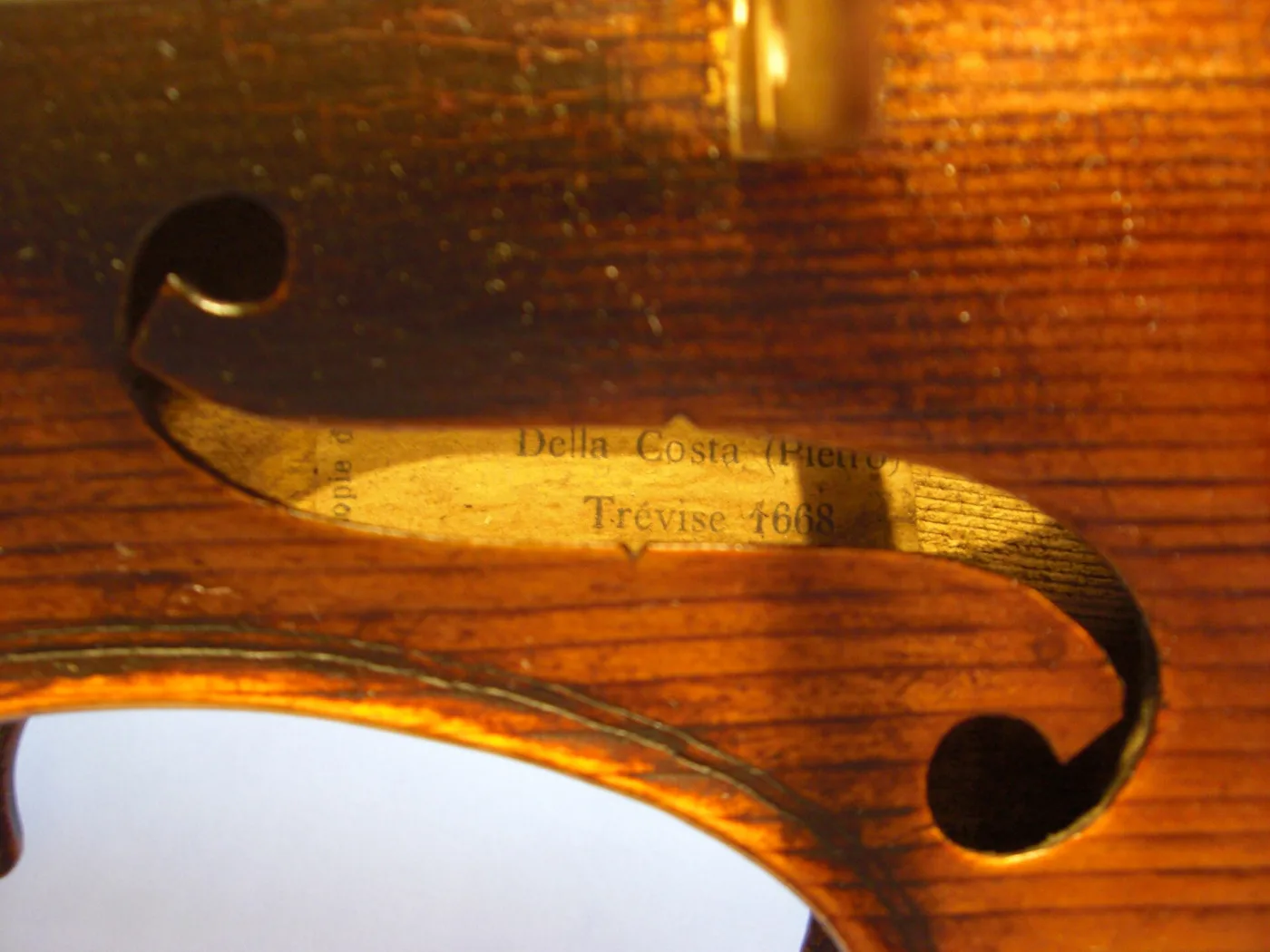
Stradivari was born in 1644 and died in Cremona in 1737. Those two dates are the most useful facts on this page, because any label that disagrees with them cannot be his.
Why So Many Violins Carry His Name
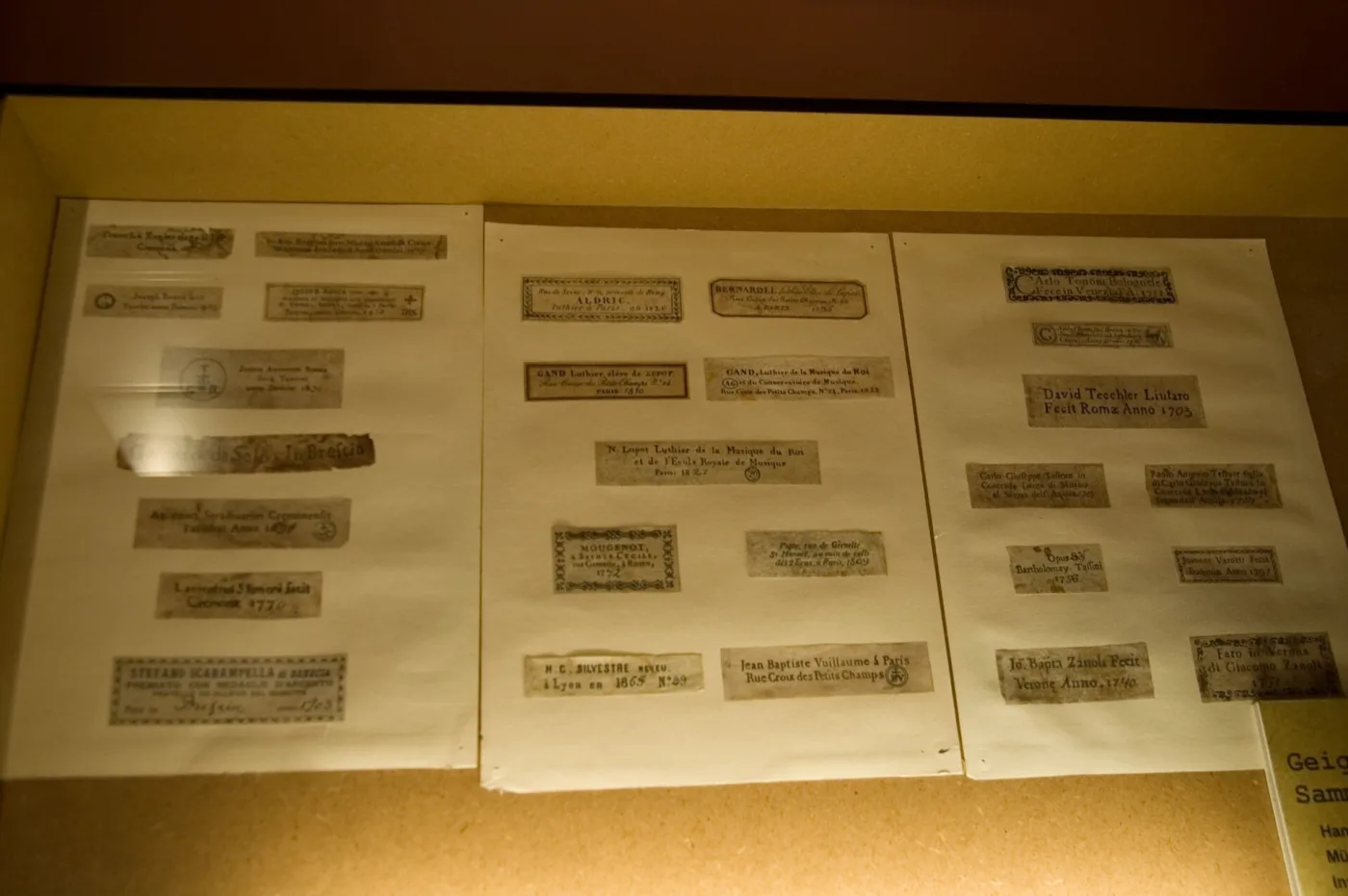
From the mid 19th century, workshops and factories in Germany and France turned out violins in large numbers, and many were modelled on Stradivari. A Stradivari label went inside, and sometimes one naming Amati, Stainer or Guarneri instead. Dealers who handle these instruments describe the result plainly: violins with his label far outnumber his real instruments.
Not all of it was fraud. Many labels were meant to name the model that had been copied, much as a shop might sell a “Chippendale” chair today. The trouble starts a generation later, when the violin is found in a loft and nobody remembers what the label was supposed to mean.
The broader musical instruments guide covers how other instruments are dated, and guitars have their own serial number charts. For violins, the label is the place to start, as long as you read it as a clue and not as a certificate.
A Country Name Settles It
Look along the bottom of the label, and around it on the wood, for a country: Germany, Bavaria, Czechoslovakia, or “Made in” anything. The McKinley Tariff, passed in the United States in 1890, required imported goods to be marked with their country of origin, and violin makers who sold into America added it to their labels from about 1891. A violin whose label names a country was almost certainly made after that, more than 150 years after Stradivari died.
The same logic dates china and glass. Our guide to reading pottery marks uses country names to set the earliest possible date of a piece, and the rule works the same way inside a violin.

Label Decoder
Built for this article. Work down the table with the label in front of you. A “yes” in the last column means the label itself rules Stradivari out.
| What the label shows | What it tells you | Rules out Stradivari? |
|---|---|---|
| A country name: Germany, Bavaria, Czechoslovakia, “Made in …” | Marked for export after the US tariff rule of 1890 | Yes |
| “Copy”, “Copie de”, “nach” or a similar word | The label calls itself a copy | Yes |
| A year after 1737 following “Anno” | Stradivari had already died | Yes |
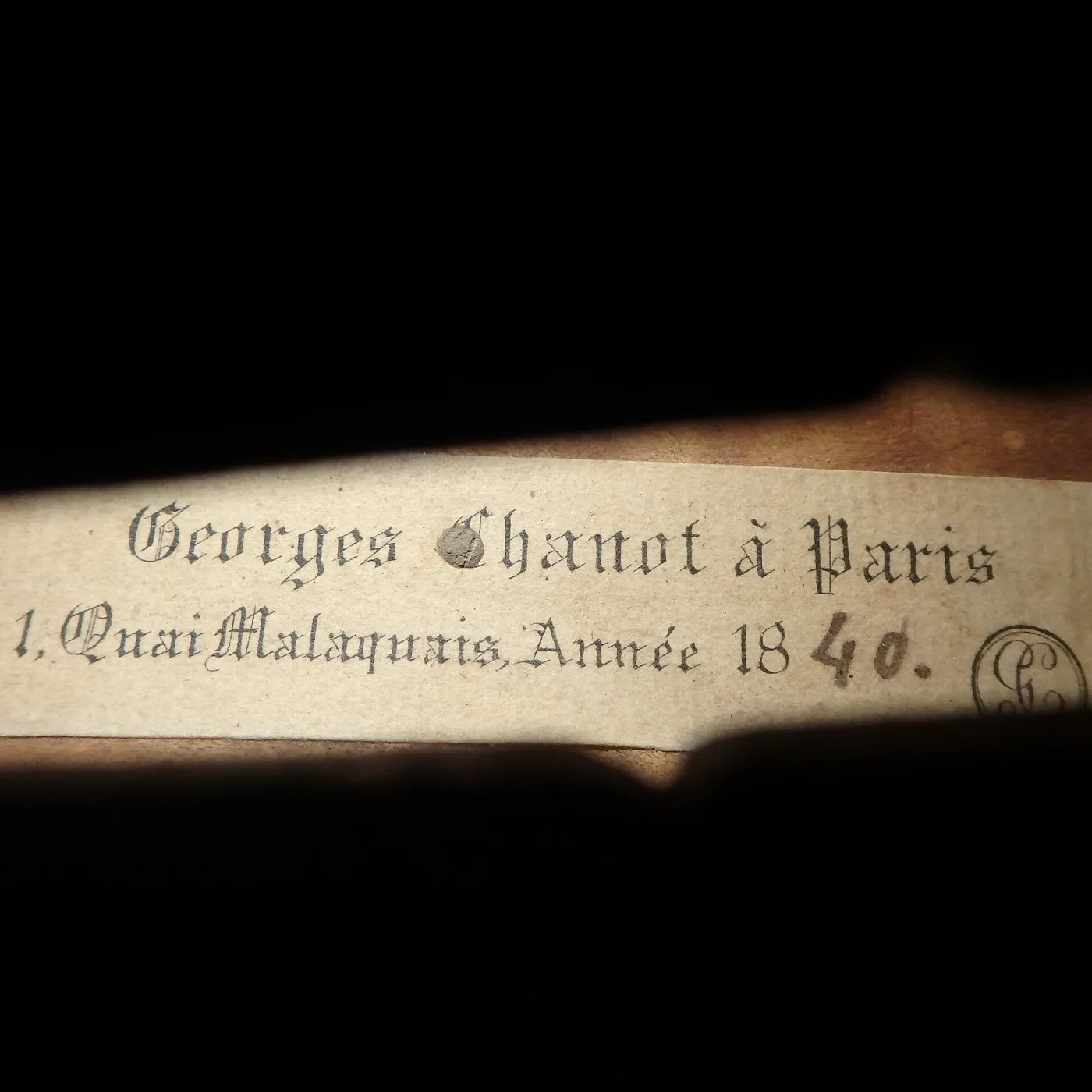
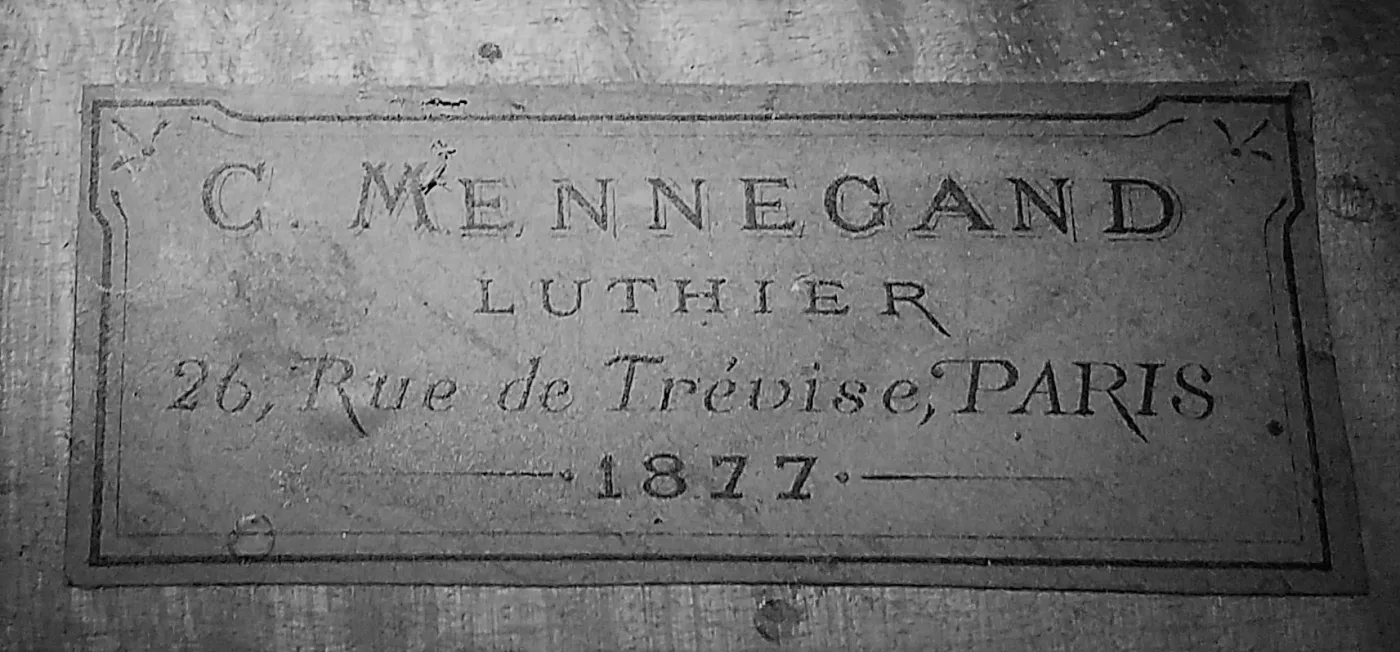
| Another maker’s name and town | A named workshop; research that maker instead | Yes, for Stradivari |
| Amati, Stainer or Guarneri instead of Stradivari | The same copying trade used those names too | No, but treat it with the same caution |
| The Stradivari wording and a 1700s date, nothing else | Names the model; found in genuine instruments and in thousands of copies | No; see a specialist if the instrument is good |
A label of the last kind proves nothing in either direction. It only means that the paper itself has not ruled the violin out.
What a Specialist Looks At
When the label passes, attribution moves to the instrument. Specialist dealers and auction houses look at the model and outline, the wood, the varnish, the workmanship, and above all the instrument’s documented history. Archives such as Tarisio’s Cozio record known Stradivari instruments and their owners. Tree-ring dating of the spruce top can show whether the wood is old enough, though not who carved it.
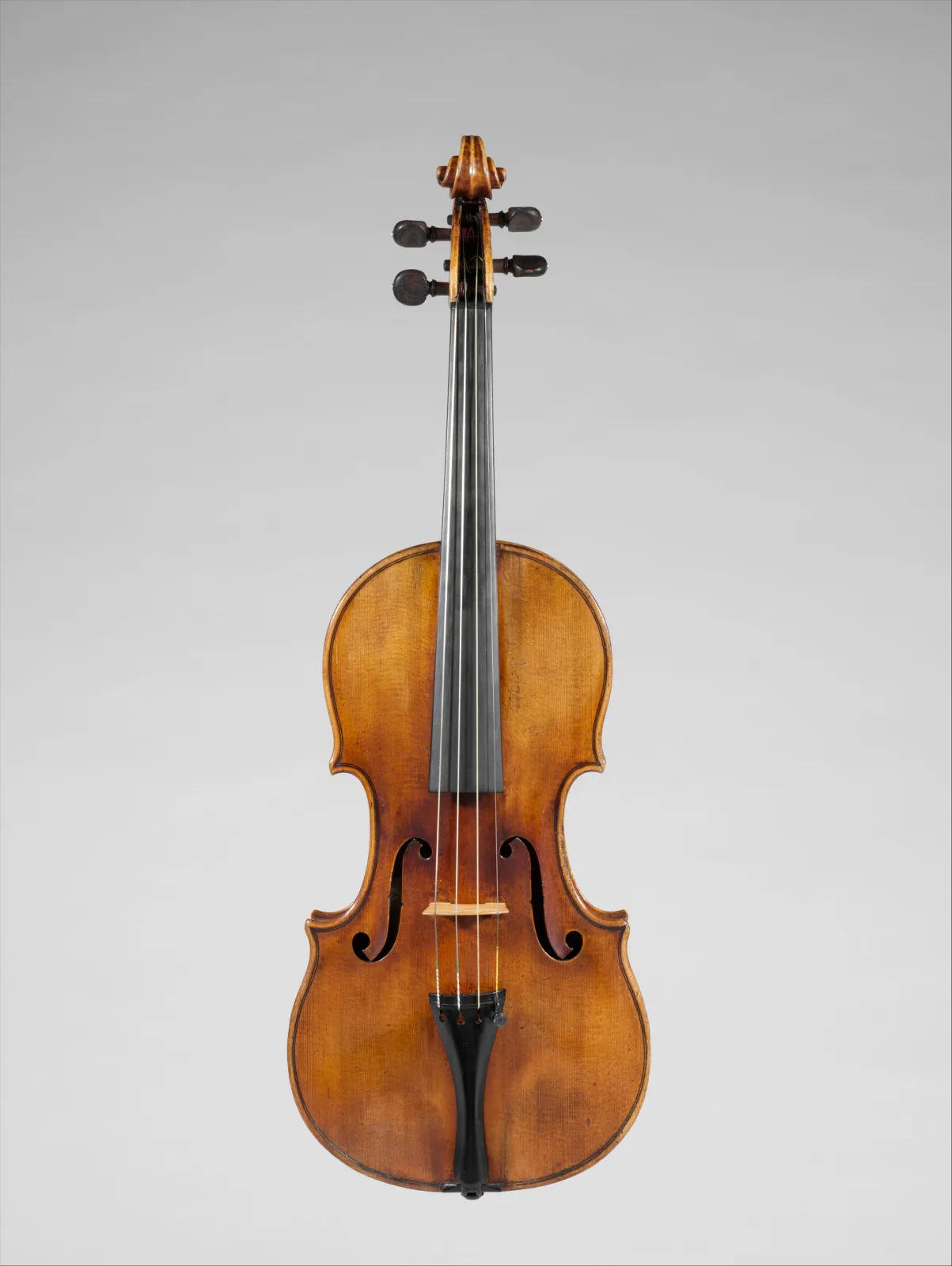
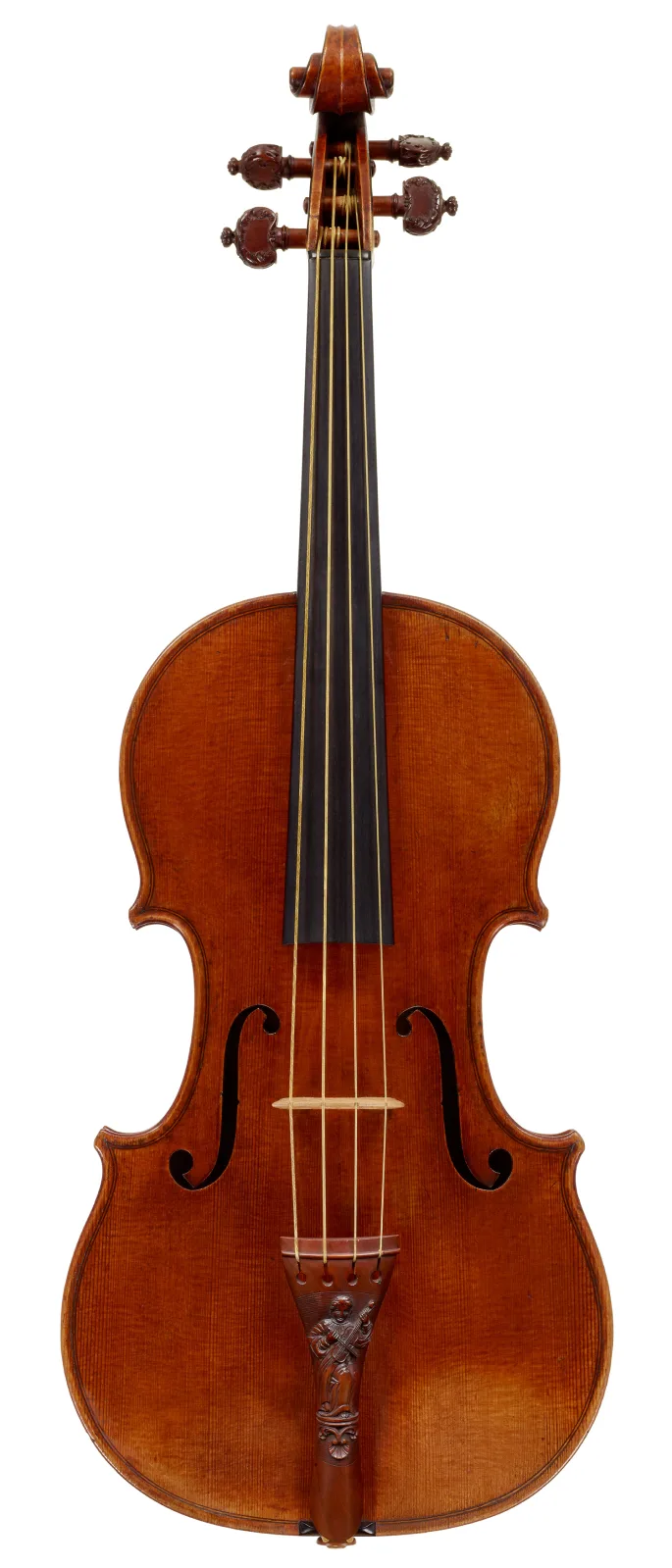
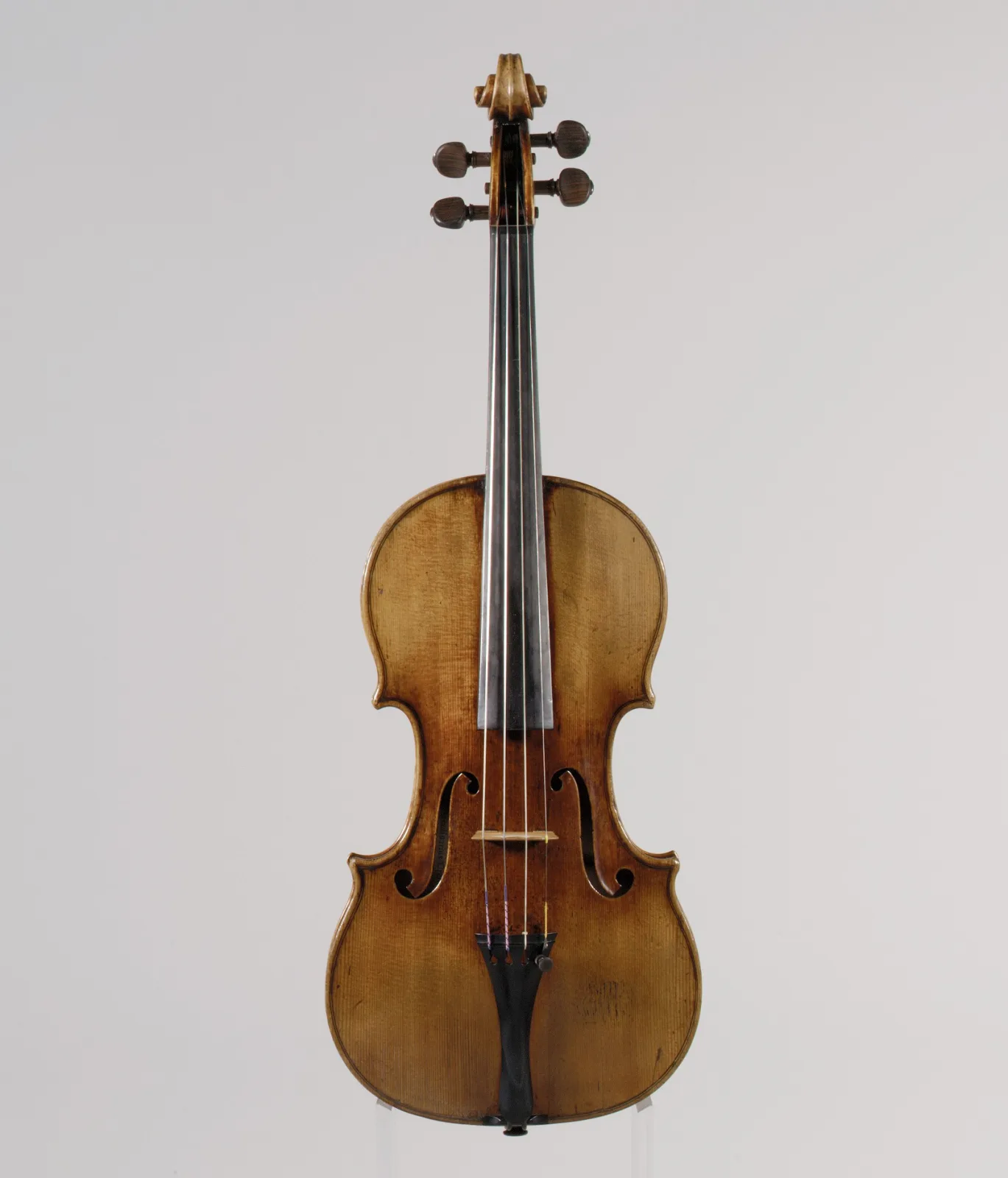
That history is the biggest hurdle for an attic find. Most surviving Stradivari instruments are known, named and photographed, like the violins on this page, so a genuine one with no history at all is rare. Rare is not impossible, and dealers say real ones still turn up now and then. It is simply why the default assumption is a copy.
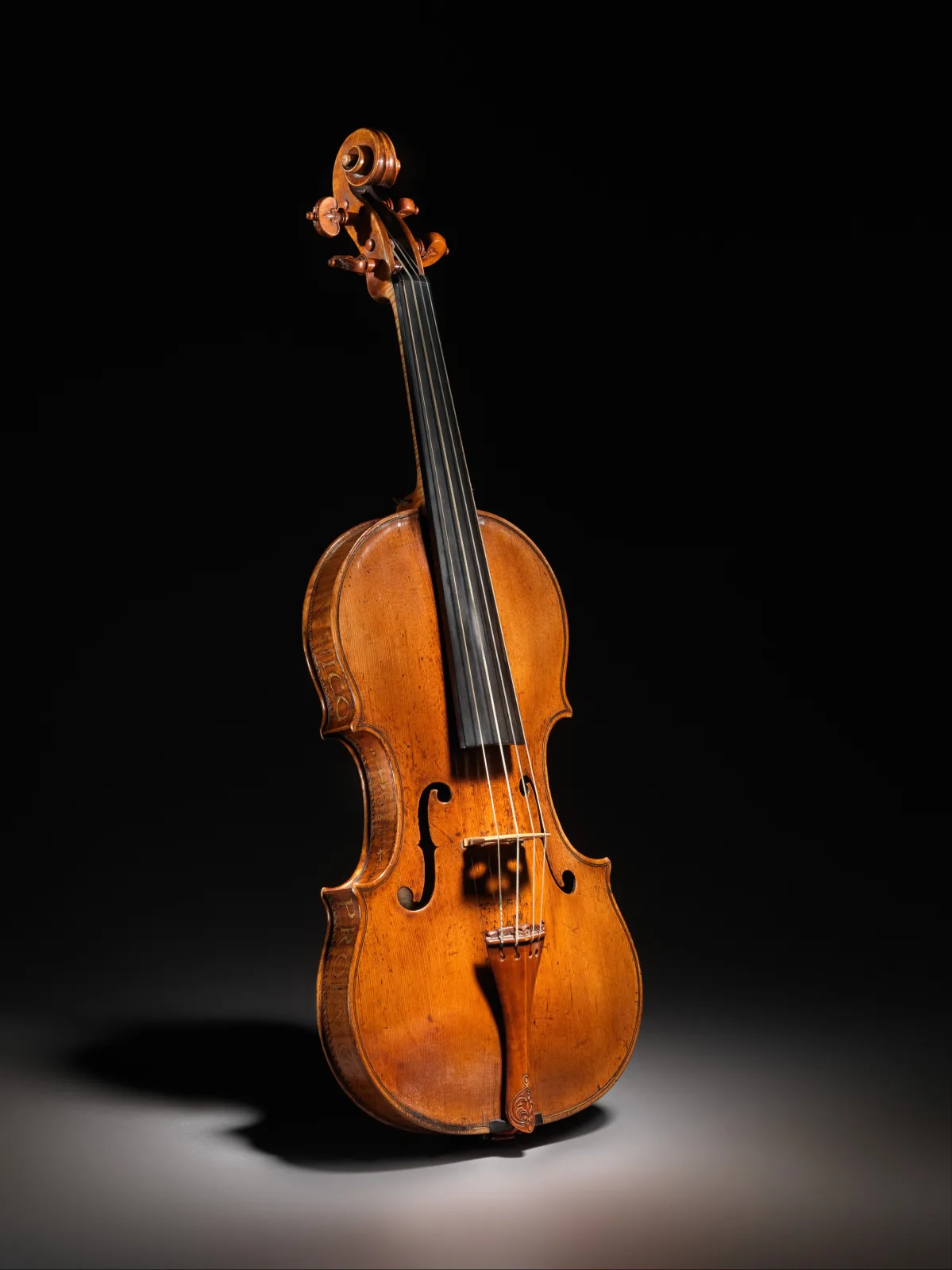
If you want to understand how provenance works for any antique, the authentication and provenance guide covers the paperwork side.
What to Do With a “Strad”
- Photograph the label through the f-hole, and the front, back, sides and scroll in daylight.
- Run the decoder above. If a country, the word copy or a late year rules Stradivari out, you have your answer about the maker in a minute.
- Do not clean, refinish or repair it first. Varnish and old repairs are evidence, and refinishing can cut the value. The restoration and conservation guide explains why original surfaces matter.
- Ask a violin specialist, a dealer or an auction house with an instrument department. Many will give a first opinion from photographs. A violin specialist is better placed than a general antiques appraiser.
Even a copy can be worth having looked at. Most were factory instruments, but some workshop copies are valuable in their own right. For how values are set more generally, see the valuation guide.
Frequently Asked Questions
How can I tell if my violin is a real Stradivarius?
Start with the label. A country name, the word copy or a year after 1737 rules out Stradivari at once. If nothing does, the label still proves nothing, because the same wording sits in thousands of copies. Only a specialist who examines the model, wood, varnish and history of the instrument can attribute it.
What does Antonius Stradivarius Cremonensis Faciebat Anno mean?
It is Latin for Antonio Stradivari of Cremona made this in the year, followed by a date. It is the wording of his label, and makers of copies used the same wording to say which model they had copied.
Why does my Stradivarius violin say Made in Germany?
Because it was made in Germany, most likely as a copy of a Stradivari model for export. After the US McKinley Tariff of 1890, imported goods had to be marked with their country of origin, so a label naming a country was almost certainly made after that. Stradivari died in 1737.
How many real Stradivarius violins are there?
Antonio Stradivari made more than 1,100 instruments, and about 650 survive. Most are known, documented and photographed, which is one reason a new one is rarely found in an attic.
Is a Stradivarius copy worth anything?
It can be. Most were factory instruments, but some workshop copies are valuable in their own right. A violin dealer or an auction house with an instrument department can tell you what yours is, often from photographs first.
The Short Version
Read the label before you get your hopes up. A country name, the word copy or a date after 1737 ends the Stradivari question in a minute. A plain Stradivari label proves nothing either way, because thousands of copies carry the same words. Photograph it, leave the varnish alone, and let a violin specialist judge the instrument rather than the paper.