
Antique Stove Identification Guide: Types, Makers & Dating
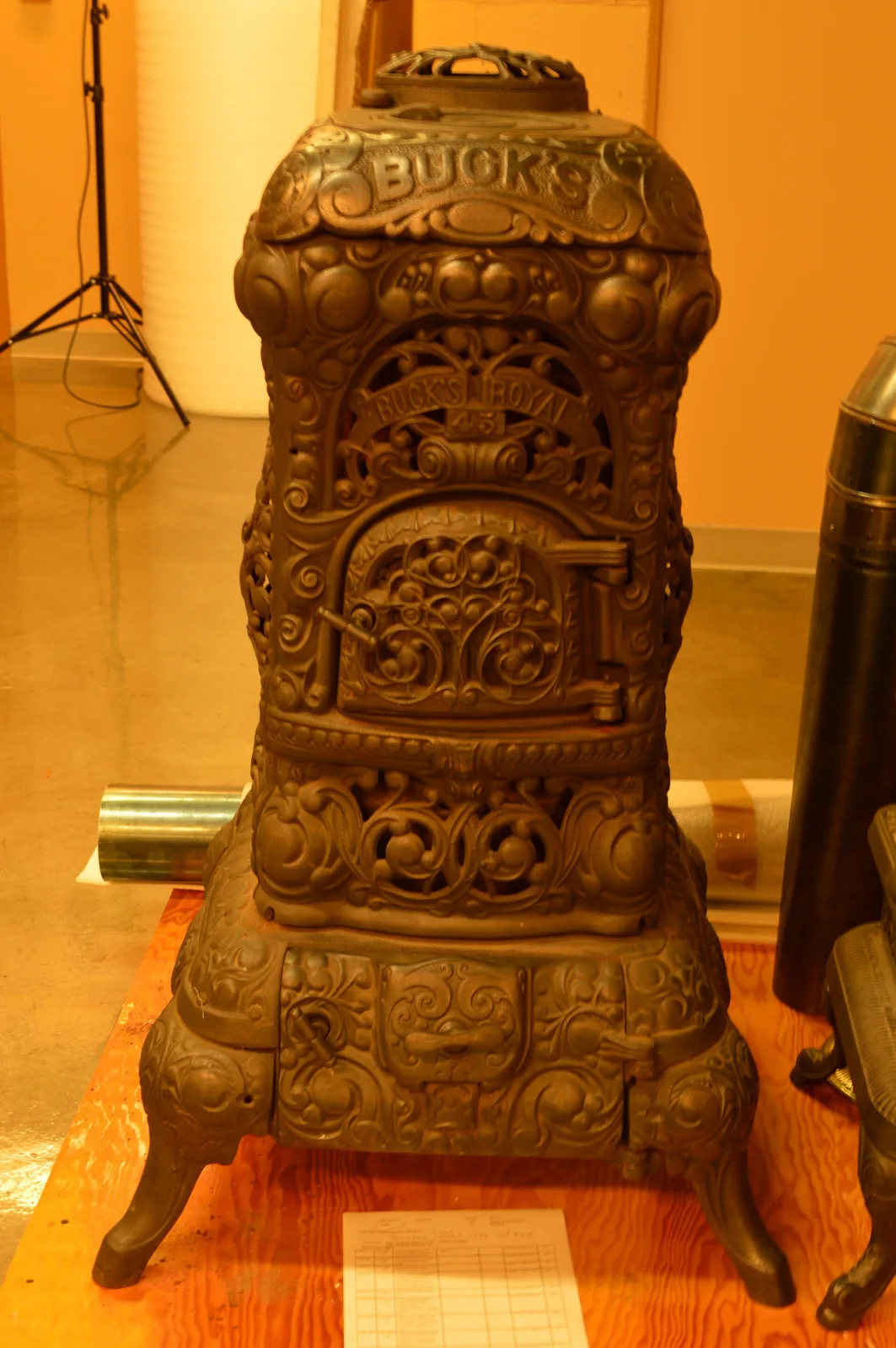
Few antiques are as commanding — or as intimidating to identify — as a nineteenth-century cast-iron stove. A tall base burner glittering with nickel scrollwork and glowing mica windows, a hulking six-lid kitchen range with warming ovens and a reservoir, a squat potbelly from a country depot: these were the heated hearts of the Victorian and Edwardian home, and today they are prized as functional heirlooms, architectural focal points, and serious collectibles. They are also heavy, complicated, and covered in cast lettering that can tell you exactly who made them and roughly when — if you know how to read it.
That combination of weight, complexity, and abundant marking is what makes stove identification both approachable and rewarding. Unlike a plain flat iron, an antique stove almost always announces its maker, its model name, and a pattern number somewhere on its castings. The challenge is sorting the common from the desirable, telling a genuine period stove from a modern reproduction or a "married" assembly of mismatched parts, and understanding how form evolved from the plain box stove of the 1830s to the ornate base burner of the 1880s and the enameled gas range of the 1920s. As with much heavy ironwork, the wider world of cast iron collectibles and household tools and implements informs how these pieces are dated, valued, and restored.
This guide covers the full family of antique stoves: the cook stove and kitchen range, the parlor stove, the ornate base burner, the potbelly and cylinder heaters, the box and Franklin stoves, laundry and shop stoves, gas and enameled ranges, and the toys and salesman's samples that echo them. For each it explains how to recognize the type, read the foundry marks and model names, date it, judge condition and completeness, spot reproductions and marriages, and apply realistic value ranges.
Table of Contents
- What Counts as an Antique Stove
- A Brief History of the Cast-Iron Stove
- Stove Anatomy and Key Terms
- Cook Stoves and Kitchen Ranges
- Parlor Stoves
- Base Burners: The Victorian Showpiece
- Potbelly and Cylinder Stoves
- Box, Franklin & Airtight Stoves
- Laundry, Shop & Specialty Stoves
- Gas Ranges and Enameled Stoves
- Toy Stoves and Salesman's Samples
- Reading Foundry Marks and Model Names
- Key American Stove Makers
- Dating an Antique Stove
- Mica, Nickel & Enamel Details
- Reproductions, Marriages & Fakes
- Condition Assessment
- Value Factors and Price Ranges
- Buying, Restoring & Living With Antique Stoves
What Counts as an Antique Stove
In collecting terms, an "antique stove" is a free-standing, solid-fuel or early gas cooking or heating appliance, predominantly of cast iron, dating from roughly the 1820s through the 1930s. The category spans two great functions — cooking and heating — and a huge range of forms, from the plainest sheet-iron box to the most ornate nickel-and-mica base burner.
Cooking Versus Heating
The first and most useful division is by purpose. Cooking stoves — cook stoves and kitchen ranges — have a flat top with removable lids over the firebox, an oven, and often a water reservoir and warming shelf. Heating stoves — parlor stoves, base burners, potbellies, box and Franklin stoves — exist purely to warm a room and have no oven. Recognizing which function you are looking at instantly narrows the field.
Fuel Type
Most antique stoves burned wood or coal, and many were designed for both. Base burners were almost always coal (specifically anthracite, "hard" coal) burners; box stoves and many cook stoves burned wood. From the 1890s, gas ranges appeared, and by the 1920s enameled gas stoves were displacing solid fuel in cities. Fuel type affects both identification and desirability, since a wood-burning stove remains usable today in ways a coal stove often does not.
The "Antique" Cutoff
The most collectible stoves are pre-1930, and the golden age of the ornate cast-iron stove runs roughly 1850–1910. Stoves from the 1930s–1950s — streamlined enameled gas and electric ranges — are increasingly collected as vintage and mid-century pieces, overlapping with the aesthetics of mid-century modern design, but the classic cast-iron antique stove belongs to the Victorian and Edwardian era.
A Brief History of the Cast-Iron Stove
The story of the stove is the story of moving fire out of the open hearth and into an efficient iron box — a transformation that reshaped the home over roughly a century.
From Hearth to Firebox
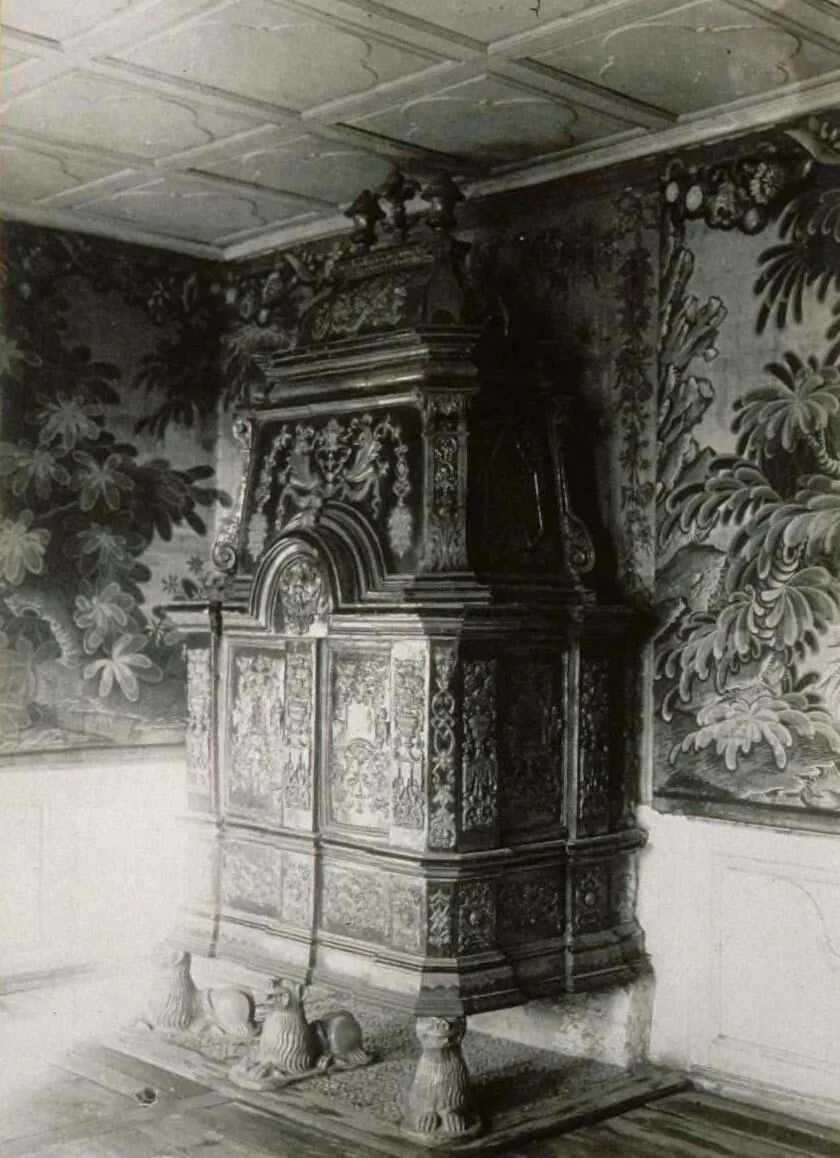
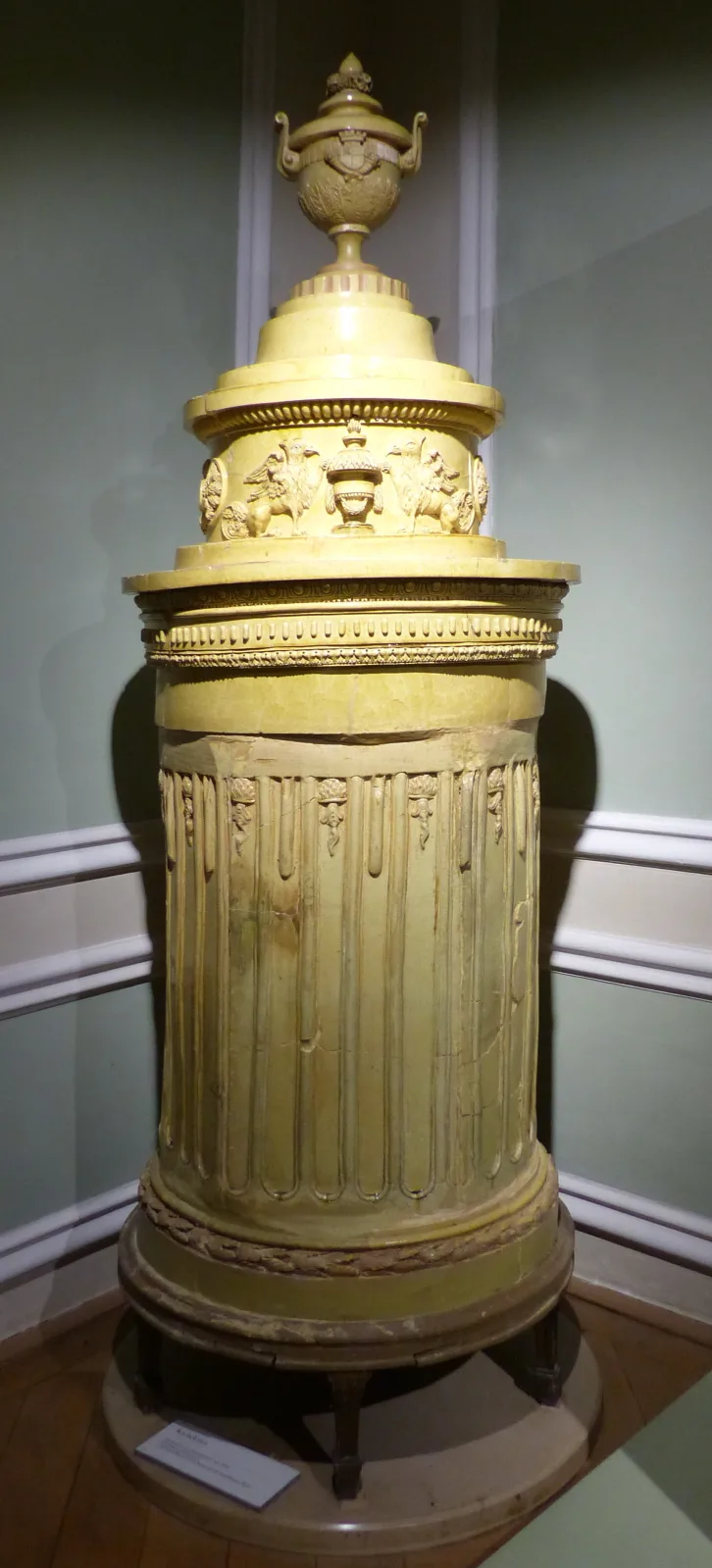
Before the stove, cooking and heating happened at the open fireplace, with its andirons, cranes, and hearth tools. Early enclosed stoves — the German and Scandinavian tile and iron stoves, and Benjamin Franklin's 1740s "Pennsylvania fireplace" — began the shift toward contained, efficient combustion.
The Cast-Iron Boom
As American iron founding matured in the early nineteenth century, stove production exploded. By the 1830s and 1840s, foundries were casting decorative plate stoves and the first cook stoves. The step (or "step-top") stove, the six-plate and ten-plate box stoves, and the elevated-oven cook stove all emerged in this period. Stove manufacturing became one of the largest American industries of the century, centered in Albany and Troy, New York, and in Ohio, Pennsylvania, and Michigan.
The Ornate Peak
The 1860s through the 1890s were the aesthetic high point. Advances in casting allowed extraordinary ornament, and the arrival of decorative nickel plating and mica (isinglass) windows produced the spectacular base burner — a coal heater dressed as a piece of parlor furniture. Foundries competed on beauty as much as efficiency, and the stove became a status symbol.
The Long Decline
Central heating, gas, and electricity gradually displaced the solid-fuel stove. Gas ranges arrived in the 1890s; enameled gas and electric ranges dominated urban kitchens by the 1920s and 1930s. Solid-fuel heating stoves lingered in rural areas for decades, and the 1970s energy crisis briefly revived wood-stove production — which is why "antique-look" reproductions from that era now confuse the market.
Stove Anatomy and Key Terms
Identifying and describing stoves requires a working vocabulary. The following terms recur throughout stove marks, catalogs, and dealer descriptions.
The Body
The firebox holds the burning fuel, lined with removable firebrick or cast-iron fire pot liners. The ash pit below catches ash, with an ash door and often a shaker grate to sift ash. The flue collar (or smoke collar) at the rear or top connects to the stovepipe. Draft controls — sliding dampers and spin wheels — regulate airflow.
Cook Stove Features
A cook stove or range adds lids (removable round covers over the firebox, lifted with a lid lifter), an oven with a hinged door and often a thermometer, a warming closet or shelf above, and frequently a water reservoir at one end and a high shelf or backsplash.
Base Burner Features
A base burner adds a magazine or hopper (a coal reservoir that self-feeds the fire), mica windows (translucent "isinglass" panels that glow with the fire), nickel-plated trim, rails, and finials, and an illuminating base — the decorative footed base for which the type is named.
Decorative Elements
Cast ornament includes finials (urn, flame, or figural tops), foot rails, swing tops, nickel skirts and aprons, and elaborate cast panels. The mounting of nickel trim onto a black-japanned or blued iron body is the signature look of the high Victorian stove.
Cook Stoves and Kitchen Ranges
The cook stove and its larger cousin the kitchen range were the workhorses of the pre-modern kitchen, and they survive in great numbers.
The Cook Stove
A cook stove is a compact wood- or coal-fired cooking appliance with a flat lidded top, a single oven, and usually a warming shelf. Early "elevated oven" and "step-top" designs raised the oven above the cooking surface; later "flat-top" ranges integrated everything into one level. Cook stoves range from plain farmhouse examples to nickel-trimmed models.
The Kitchen Range
The range is a larger, more elaborate cook stove, typically with multiple lids (often six or eight), a large oven, a warming closet above, a hot-water reservoir at one end, and abundant nickel trim. Great cast-iron ranges like the Home Comfort, Great Majestic, and Garland were the pride of the kitchen and are heavily collected today. These are the stoves most often restored for continued use.
The Reservoir and Warming Closet
A water reservoir (a tank heated by the firebox for hot water) and an overhead warming closet are hallmarks of a full range. Their presence, completeness, and condition materially affect value; a range missing its reservoir or warming-closet doors is worth substantially less.
Recognizing and Valuing
Cook stoves and ranges are identified by maker and model cast into the doors, top, and feet. Plain, incomplete, or rusted cook stoves are common and inexpensive; complete, restorable, or professionally restored nickel-trimmed ranges from premium makers command strong prices, especially where the kitchen tradition of the antique kitchen is prized.
Parlor Stoves
The parlor stove is a decorative heating stove designed to warm — and adorn — the family sitting room.
Form and Purpose
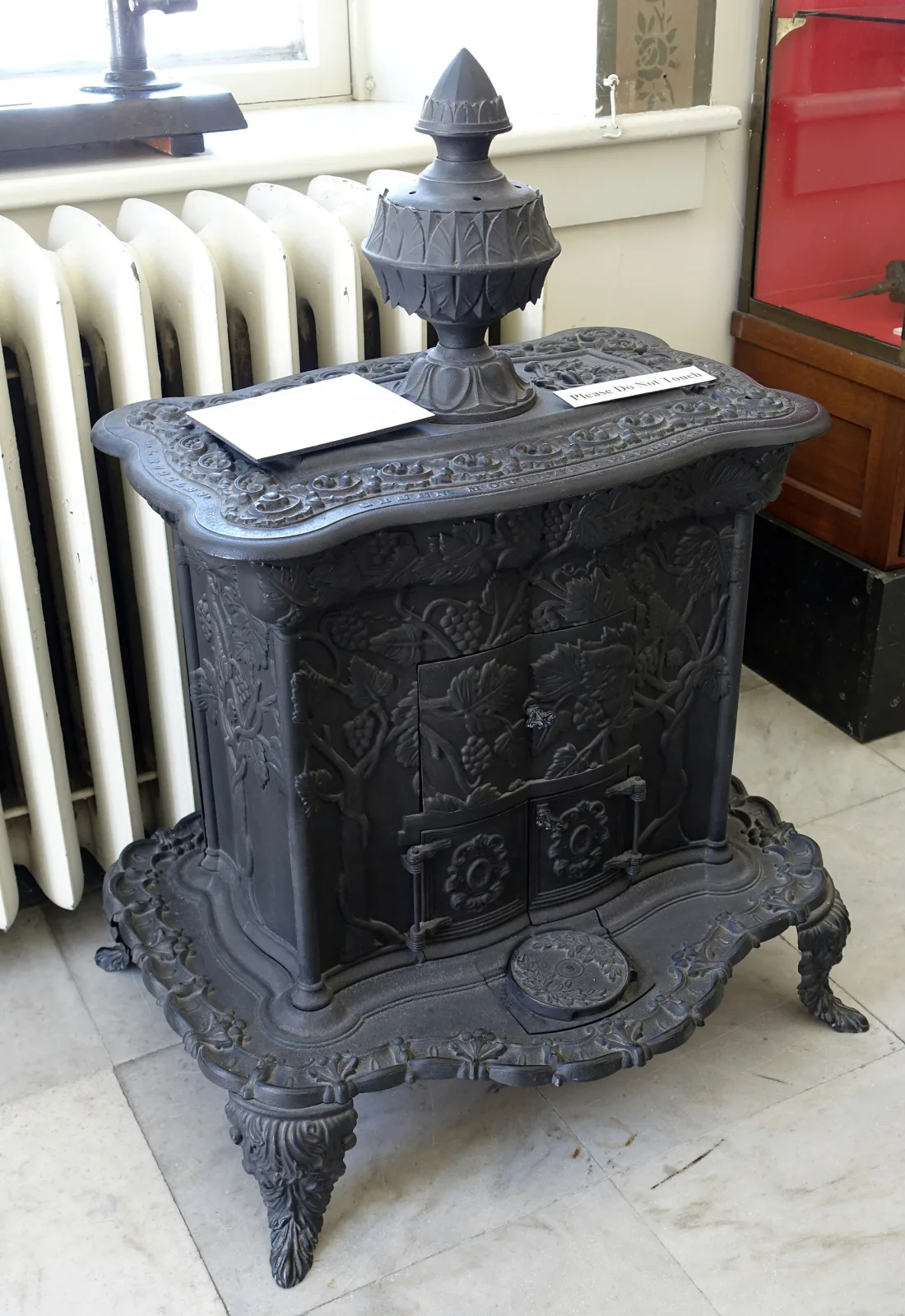
Parlor stoves are upright heating stoves, more ornamental than a plain box stove but generally without the coal magazine and mica windows of a true base burner. They range from modest cylinder heaters with a little cast decoration to elaborate figural stoves. Many burned wood; better ones burned coal.
Cottage and Figural Stoves
Smaller "cottage" parlor stoves and highly decorative figural stoves — cast with classical figures, architectural motifs, or scenic panels — were made throughout the mid-nineteenth century. Ornate cast panels relate these stoves to the wider tradition of decorative architectural cast iron.
Parlor Stove Versus Base Burner
The key distinction: a base burner has a coal magazine (hopper) and mica windows and is nearly always a self-feeding anthracite heater; a parlor stove is a simpler decorative heater that may lack both. Sellers often call any pretty upright heater a "base burner," so verify the magazine and mica before accepting the more valuable label.
Value
Plain parlor stoves are modest in value; ornate figural and scenic parlor stoves in good condition are more desirable. Completeness of decorative castings, finials, and doors drives the price.
Base Burners: The Victorian Showpiece
The base burner is the crown jewel of antique stove collecting — the most ornate, most valuable, and most instantly recognizable type.
What Makes a Base Burner
A base burner is a self-feeding anthracite (hard coal) heating stove with a coal magazine that gravity-feeds the fire, allowing it to burn for long periods without tending. Its defining features are the glowing mica ("isinglass") windows, lavish nickel-plated trim, urn or figural finials, decorative foot rails, and the ornamental "base" that gives the type its name. A fine base burner is essentially a coal furnace dressed as parlor furniture.
The Great Names
Premium base burners were made by makers such as Round Oak (Estate of P.D. Beckwith, Dowagiac, Michigan), Glenwood (Weir Stove Co.), Garland (Michigan Stove Company), and many regional foundries. Model names — "Art Garland," "Radiant Home," "Sunshine," "Peninsular" — are cast prominently and are central to identification and value.
Two-Story and Illuminated Bases
The most spectacular base burners are tall "double" or two-magazine stoves with abundant mica, mirrored nickel, swing tops, and figural finials. "Illuminated base" models add mica in the lower base so the whole stove glows. These showpieces command the highest prices in the field.
Value Reality
Base burners span a wide range: incomplete or heavily rusted examples are affordable projects, while complete, professionally restored, nickel-and-mica-perfect base burners from top makers are the most valuable antique stoves of all, reaching well into four figures and beyond. Completeness of nickel trim, mica, finials, and rails is everything.

Potbelly and Cylinder Stoves
The potbelly stove is perhaps the most iconic stove silhouette in the American imagination — the round-bellied heater of the general store, depot, and schoolhouse.
The Potbelly
A potbelly stove is a round cast-iron heating stove with a bulging, pot-shaped midsection, a lidded top, and short cabriole or bracket legs. The rounded belly gave a large radiating surface and room for a generous fire. Potbellies burned wood or coal and were the utilitarian heater of public and commercial spaces.
Railroad and Depot Stoves
Many potbellies and cylinder stoves were made for railroad depots, cabooses, and stations, and marked accordingly. These overlap with the world of railroad collectibles, and a stove with authentic railroad markings carries a premium among that collecting community.
Cylinder and Cannon Stoves
The cylinder stove (or "cannon" stove) is a tall, straight-sided cylindrical heater — essentially a plainer, more upright cousin of the potbelly. Made for shops, offices, and halls, they are common, sturdy, and often bear a clear maker name and model on the top and doors.
Value
Plain potbellies and cylinder stoves are common and moderately priced; documented railroad-marked stoves, unusually large or ornate examples, and those retaining nickel trim and finials in good condition bring more. Their sturdy, usable nature keeps demand steady.
Box, Franklin & Airtight Stoves
The plainest and often earliest heating stoves are the box, plate, Franklin, and airtight types — utilitarian heaters valued for early date and simplicity as much as decoration.
Box and Plate Stoves
The box stove is a simple rectangular cast-iron wood heater assembled from flat plates. "Six-plate" and "ten-plate" stoves (named for the number of casting plates) are among the earliest American stoves, dating from the eighteenth and early nineteenth centuries, and early dated examples are collectible despite their plainness. Many bear cast dates, foundry names, or decorative panels on the sides.
Franklin Stoves
The Franklin stove — an open-fronted cast-iron fireplace-stove descended from Benjamin Franklin's design — combines the radiant warmth of an open fire with the efficiency of a stove. Genuine early Franklin stoves are collectible; the form was reproduced heavily in the twentieth century, so age must be verified carefully.
Airtight and Later Box Stoves
Sheet-metal and cast "airtight" box stoves, with tightly fitting doors for controlled slow burning, were made into the twentieth century for cabins, camps, and utility heating. These are common, usable, and generally modest in value.
Value
Early dated plate and box stoves with legible dates and foundry names are the collectible end; common later box and airtight stoves are inexpensive utility items. As with all early ironwork, verifying an early cast date against the stove's actual construction guards against later reproductions.
Laundry, Shop & Specialty Stoves
Beyond home cooking and heating, a wide range of purpose-built stoves served laundries, workshops, and trades.
Laundry Stoves
Laundry stoves were small, flat-topped heating stoves designed to hold and heat several sad irons at once, with slots or rests around the top for the irons. Compact and utilitarian, they connect directly to the world of laundry and pressing antiques and are sought by collectors of that theme.
Shop and Heating Stoves
Large commercial heating stoves warmed stores, workshops, and public buildings. These oversized cylinder and box heaters are impressive but bulky; value depends on maker, decoration, and practicality of moving and using such a large stove.
Camp, Sheepherder & Marine Stoves
Small portable stoves — camp stoves, sheepherder stoves, and compact marine (ship's) stoves and galley ranges — were made for tents, wagons, and boats. Marine stoves overlap with the world of maritime antiques and, when documented to a vessel, carry added interest.
Value
Specialty stoves are valued for their niche appeal: laundry stoves to iron collectors, marine stoves to nautical collectors, and so on. Completeness and clear identification to a trade or maker drive the premium.
Gas Ranges and Enameled Stoves
The transition from solid fuel to gas produced a distinctive family of stoves that bridge the antique and vintage worlds.
Early Gas Ranges
Gas cooking ranges appeared in the 1880s–1890s and spread rapidly in gas-served cities. Early gas ranges are often tall, on legs, with a cooktop of open burners above and an oven and broiler below, and may combine cast iron with sheet steel. Some "combination" ranges burned both gas and solid fuel side by side.
Porcelain Enamel Stoves
From the 1910s and especially the 1920s–1930s, porcelain-enameled gas ranges — glossy white, cream, or colored enamel over cast iron and steel — displaced the black cast-iron range in the modern kitchen. Makers such as Magic Chef, Roper, and O'Keefe & Merritt produced enameled ranges now collected as vintage kitchen showpieces. Their enamel finish relates them to the broader field of enamelware.
Chrome, Color & Streamlining
By the 1930s and 1940s, ranges adopted streamlined Art Deco and early modern styling, chrome trim, clocks, timers, and color. These vintage stoves are collected and restored for period kitchens, valued as much for style as for cooking.
Value and Restoration
Enameled gas ranges are prized when their enamel is intact and bright; chipped or crazed enamel, missing burners, and non-functioning valves reduce value sharply. Professional re-enameling exists but is costly, so original bright enamel commands a strong premium.
Toy Stoves and Salesman's Samples
Miniature stoves are a beloved collecting niche — and, like miniature irons, a field where terminology is routinely abused.
Toy and Child's Stoves
Working and decorative toy cook stoves were made in cast iron from the mid-nineteenth century onward, sold as children's playthings and as tools for teaching domestic skills. Many are marked with model names ("Eagle," "Royal," "Little Fanny," "Pet") and came with tiny pots, lids, and lifters. Toy stoves overlap with the world of antique toys and are collected in their own right.
Salesman's Samples
A genuine salesman's sample is a precise, functional scale model of a specific full-size stove, carried by a sales representative to demonstrate a product line. True samples are rare and valuable, faithfully replicating a documented full-size model down to the marks. The term is vastly overused — most "salesman's sample" stoves are actually toys.
Telling Them Apart
Toys are generally more generic, cruder, and made for play; salesman's samples are exact, high-quality miniatures that correspond to a real catalog model, often with the same casting detail and marks scaled down. The distinction dramatically affects value, so treat "salesman's sample" claims skeptically without documentation.
Value
Common marked toy stoves are affordable and charming; rare figural or highly detailed toy ranges bring more; genuine documented salesman's samples of premium stoves are prized and can far exceed the value of ordinary toys.
Reading Foundry Marks and Model Names
Antique stoves are unusually well marked, and the marks are the fastest route to identification.
Where to Look
Cast marks appear on the oven and firebox doors, the top plates and lids, the feet and base, the ash door, and the back. Look for the maker's name, the foundry city, the model or pattern name, a pattern or model number, and sometimes a cast date or patent date. Nickel trim and name plates may carry additional branding.
Maker Versus Model Versus Pattern
Distinguish three things: the maker (the company, e.g., Michigan Stove Company), the model name (the marketing name, e.g., "Garland"), and the pattern number (a casting/catalog number). A single maker produced many models, and stove companies frequently used memorable model names cast in large letters — these names are often what collectors search by.
Confusing Names
Beware that famous model names sometimes eclipse the maker: "Round Oak" is a model/brand of the Estate of P.D. Beckwith; "Home Comfort" is a Wrought Iron Range Company product; "Great Majestic" is the Majestic Manufacturing Company. Retailers and hardware jobbers also sold "store-brand" stoves cast for them by larger foundries, so the name on the stove may be a seller rather than the actual maker.
Recording Marks
Photograph and transcribe every mark before researching. Note the exact wording, punctuation, city, and any numbers. Cross-reference against stove-collector databases, catalogs, and the Antique Stove Association's resources, applying the same disciplined authentication and provenance research used for any marked antique.
Key American Stove Makers
Stove manufacturing was a major nineteenth-century industry, and a handful of makers dominate the collectible market.
Heating Stove Makers
Estate of P.D. Beckwith (Round Oak, Dowagiac, Michigan), Weir Stove Company (Glenwood), the many base-burner foundries of Albany and Troy, New York, and countless regional makers produced the parlor stoves and base burners collectors prize. Round Oak in particular is among the most recognized names, with its Native American "Doe-Wah-Jack" trademark.
Cook Stove and Range Makers
Michigan Stove Company (Garland), Wrought Iron Range Company (Home Comfort), Majestic Manufacturing Company (Great Majestic), Glenwood, Kalamazoo Stove Company ("A Kalamazoo Direct to You"), Quick Meal, and the Portland Stove Foundry (Atlantic) are among the great range makers. Their large, nickel-trimmed cook ranges are the stoves most sought for restoration and use.
Regional and Store Brands
Hundreds of smaller foundries and hardware jobbers sold stoves under local and store brands, many cast by the larger companies. A regional name does not necessarily mean rarity, but it can complicate attribution — the same casting may appear under several names.
Enameled Range Makers
For the gas and enamel era, Magic Chef, Roper, O'Keefe & Merritt, Wedgewood, and Chambers are the celebrated names, their bright enameled ranges now restored as vintage kitchen centerpieces.
Dating an Antique Stove
Dating combines marks, patent dates, construction, and style into a reasonably confident estimate.
Patent and Cast Dates
Many stoves carry cast patent dates or manufacturing dates on their castings. A patent date gives a firm earliest-possible date (the stove cannot predate it) but not the exact year of manufacture, since a patented design might be produced for years. A cast manufacturing date, where present, is more precise.
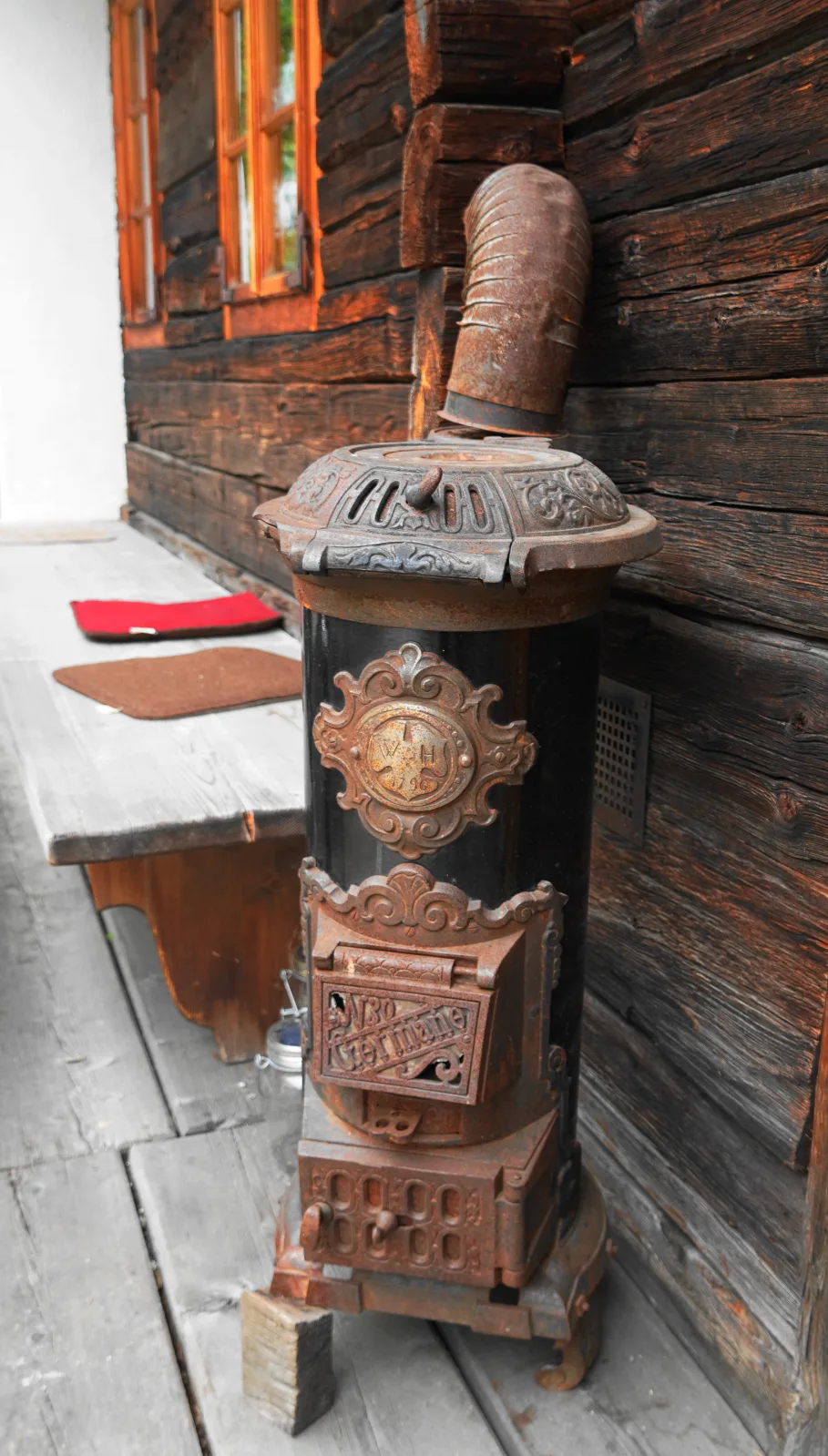
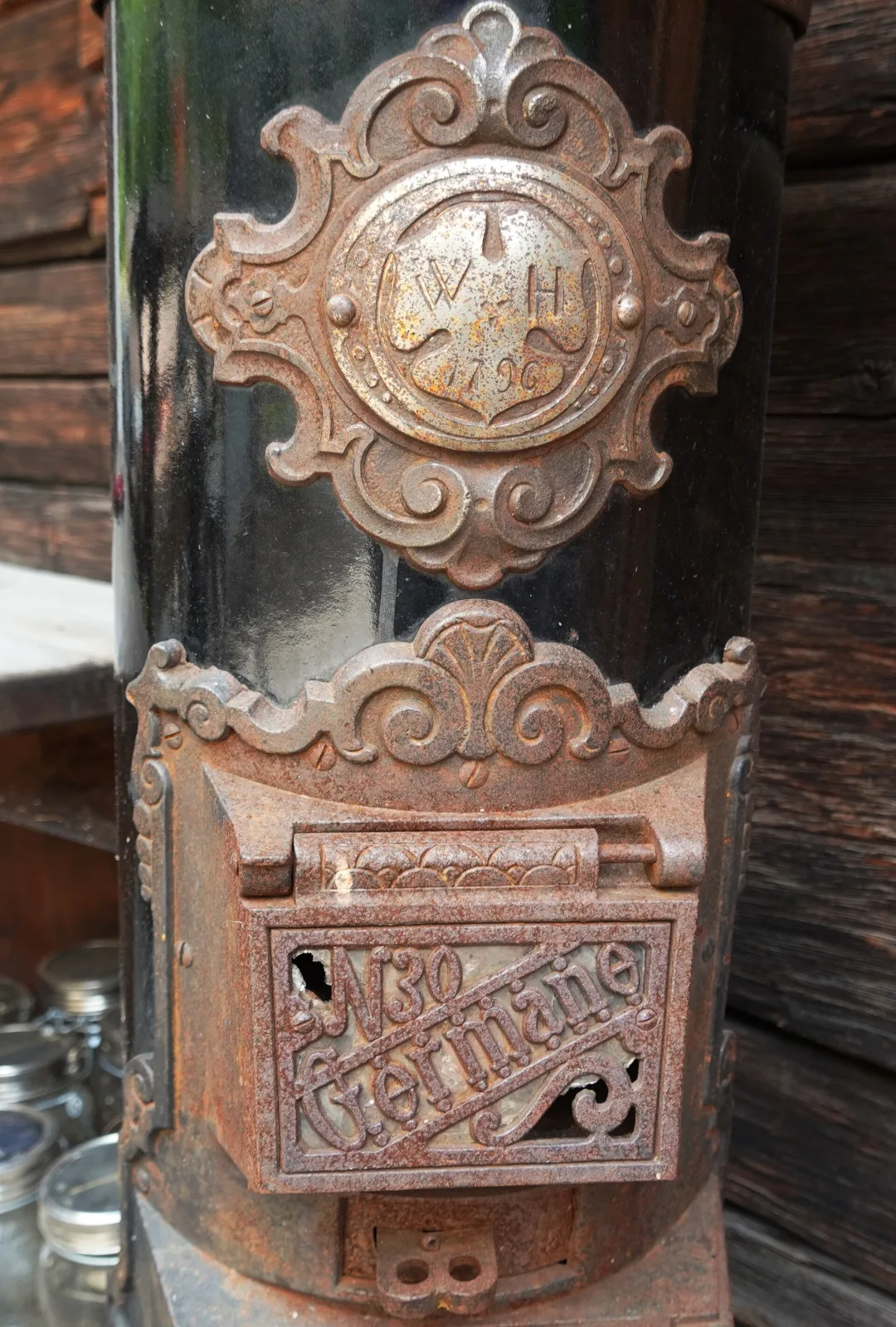
Style as a Dating Guide
Form evolved over time: plain box and plate stoves dominate the 1820s–1850s; ornate parlor stoves and early base burners the 1850s–1870s; the most lavish nickel-and-mica base burners and great nickel-trimmed ranges the 1870s–1900s; gas ranges from the 1890s; enameled gas and electric ranges from the 1910s–1930s. Placing a stove on this arc narrows its date considerably.
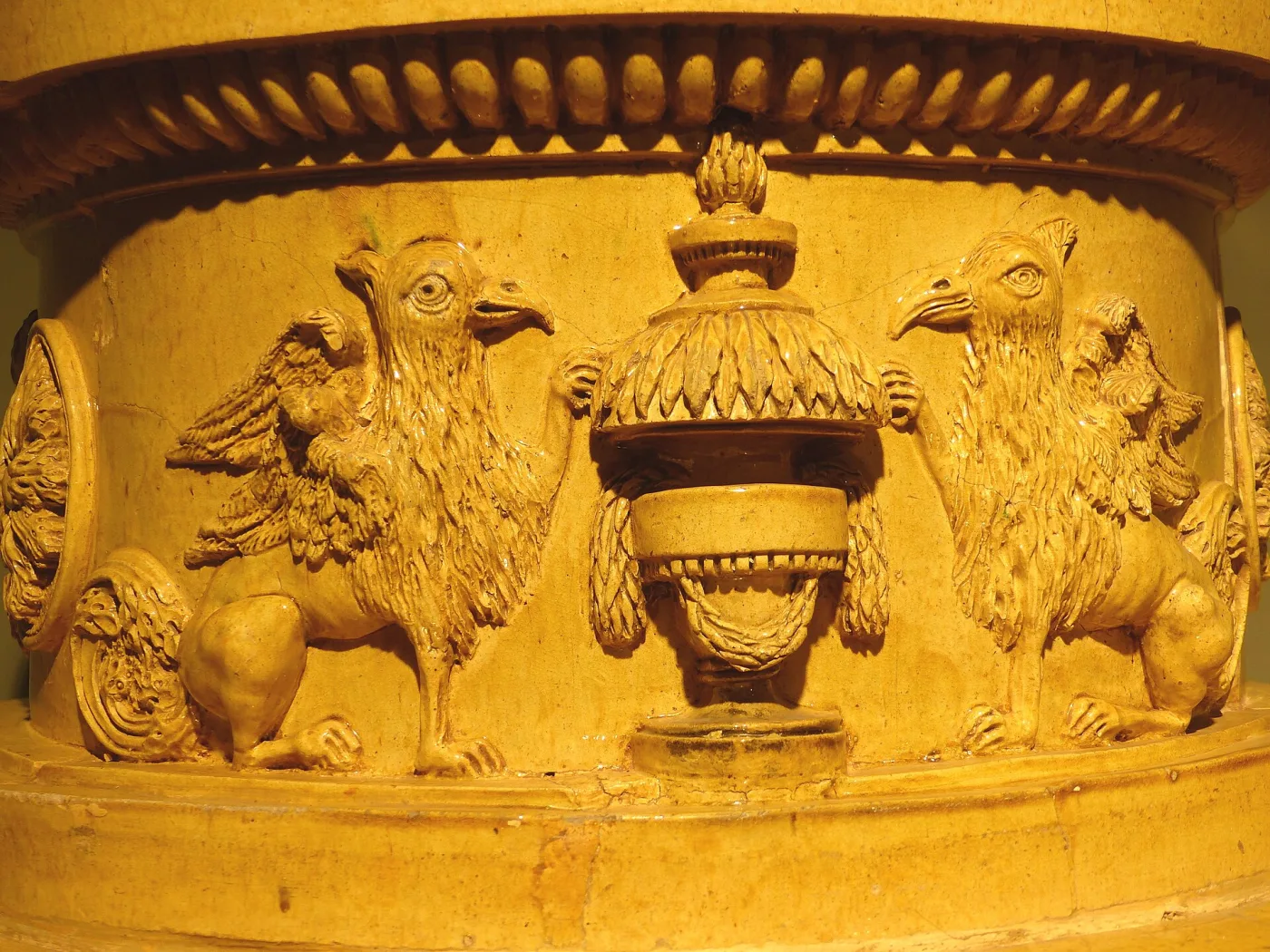
Construction Cues
Nickel plating indicates post-1870s; abundant mica windows point to the base-burner era of roughly 1870–1910; porcelain enamel over the whole stove indicates the 1910s onward. Threaded fasteners, mass-produced hardware, and standardized parts also increase over time.
Cross-Referencing Catalogs
The surest dating comes from matching a stove's maker, model name, and pattern number to a dated manufacturer's catalog or advertisement. Stove-collector archives and reprinted trade catalogs make this possible for many models, pinning a stove to a specific catalog year.
Mica, Nickel & Enamel Details
The decorative finishes of an antique stove are central to both its identification and its value, and they are the elements most often replaced or restored.
Mica (Isinglass) Windows
The glowing translucent panels on a base burner are sheets of natural mica, historically called "isinglass." Original mica clouds, cracks, and darkens with heat, and is routinely replaced during restoration; fresh, clear mica is expected on a restored stove and is not a defect. Missing or broken mica should be factored into value, since replacement is a standard (and available) restoration step.
Nickel Plating
The bright trim, rails, skirts, and finials of Victorian stoves are nickel-plated cast iron or steel. Original nickel dulls, pits, and flakes with age; professional re-nickeling is a major cost of stove restoration. Complete, re-nickeled trim dramatically improves both appearance and value, while missing or badly pitted nickel parts are expensive to replace or reproduce.
Porcelain Enamel
On gas and later ranges, the finish is fired porcelain enamel. Bright, unchipped enamel is prized; chips, crazing, and rust breakthrough are hard and costly to repair, since re-enameling requires specialized facilities. Enamel condition is often the single biggest value factor for a vintage gas range.
Japanning and Blacking
The classic black finish of a cast-iron stove was originally a baked "japanned" or blacked surface, maintained with stove polish (blacking). A properly blacked cast-iron stove has a soft pewter-to-black sheen; modern high-temperature stove paint gives a flatter look and is a clue to recent refinishing.
Reproductions, Marriages & Fakes
Stoves present three main authenticity problems: outright reproductions, "married" assemblies of mismatched parts, and misrepresented dates and models.
Twentieth-Century Reproductions
The 1970s energy crisis spurred production of new "antique-style" cast-iron and Franklin stoves, and decorative reproduction stoves are still made. Tell-tale signs of a reproduction include grainy, rough casting, modern bolt hardware, metric or modern thread sizes, thin cast lettering, safety labels, and the absence of the wear and casting character of a genuine period stove.
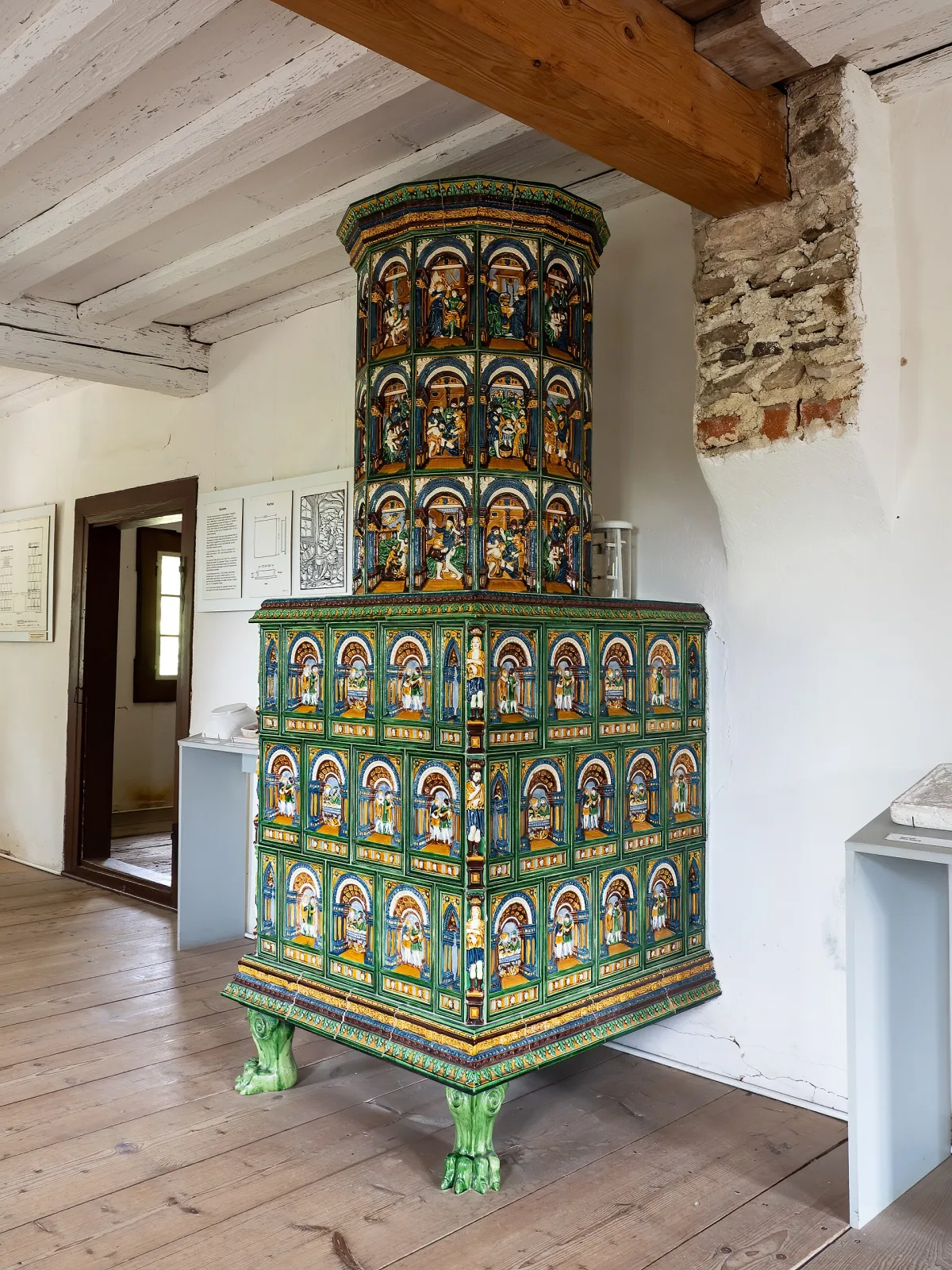
Married Stoves
Because stoves are assembled from many bolted castings, unscrupulous or careless restorers combine parts from different stoves — a door from one, a top from another, replacement legs — into a "married" stove. Mismatched casting styles, model names that do not agree across parts, inconsistent wear, and parts that do not quite fit are warning signs. A married stove is worth far less than an original.
Reproduction and Replacement Parts
Reproduction doors, feet, finials, name plates, and trim are made to complete restorations. These are legitimate for restoration but should be disclosed; a stove described as "all original" should not contain reproduction castings. Fresh, crisp reproduction parts alongside worn originals are a clue.
Misrepresented Models
Common stoves are sometimes upsold as rarer models or as "base burners" when they are simple parlor stoves. Verify the model name and defining features (magazine, mica, nickel) against reference catalogs rather than trusting the listing, using the same skepticism applied to any antique purchase.
Condition Assessment
Condition governs value and, for a stove intended for use, safety. Assess it systematically.
Cracks and Warping
Cast iron is brittle and cracks from thermal stress, overfiring, and drops. Inspect the firebox, top plates, and doors for cracks and warping; a cracked firebox or badly warped top is a serious defect that compromises both value and usability. Brazed or welded repairs are common on hard-used stoves and reduce value.
Rust and Burnout
Surface rust is expected and manageable; deep pitting, scaling, and "burnout" (metal thinned or holed by prolonged intense heat, especially around the firebox and grates) are serious. Check grates and fire pots, which take the most heat and are frequently burned out or missing.
Completeness
Completeness is paramount. Original doors, lids, grates, finials, rails, mica, nickel trim, reservoir, warming closet, feet, and dampers should all be present and correct. Missing decorative castings and functional parts are expensive to replace, and a stove missing its distinctive trim loses much of its identity and value. Small parts like lid lifters and shaker handles are easily lost.
Nickel, Mica & Enamel
Grade the nickel (bright and complete versus pitted and missing), the mica (clear and present versus cracked, clouded, or missing), and any enamel (bright versus chipped and crazed) separately. These finishes drive value and restoration cost.
Marks and Originality
Confirm that model names and marks agree across all castings — a sign the stove is original and unmarried. Legible, consistent marks add value and confidence; contradictory marks are a red flag for a married stove.
Value Factors and Price Ranges
Antique stove values span an enormous range, from a few dollars for an incomplete common heater to five figures for a spectacular restored showpiece.
The Common Baseline
Plain, incomplete, or heavily rusted box stoves, cylinder heaters, and ordinary cook stoves are common and inexpensive as project pieces, and many "unrestorable" stoves are sold cheaply for parts, decoration, or scrap. A rough but complete common stove is a modest purchase.
Mid-Range Collectibles
Complete, restorable potbellies, parlor stoves, ordinary base burners, and mid-tier cook stoves in honest condition occupy the broad middle of the market. Completeness of trim and castings, a desirable maker, and restorability push toward the upper end.
Premium and Showpiece Stoves
Professionally restored, complete, nickel-and-mica-perfect base burners and great restored kitchen ranges from premium makers (Round Oak, Glenwood, Garland, Great Majestic, Home Comfort) are the high end, reaching well into four and sometimes five figures. Bright, complete vintage enameled gas ranges from celebrated makers likewise command strong prices.
What Drives Value
Maker and model desirability, completeness (especially trim, mica, nickel, reservoir, and warming closet), condition (no cracks or burnout), quality of any restoration, decorative appeal, and — for wood stoves — practical usability. Documented provenance (a railroad, a landmark building) adds interest.
Where Values Are Soft
Married stoves, cracked or burned-out fireboxes, missing critical castings, chipped enamel, undisclosed reproduction parts, and stoves too large or heavy to move or use practically all depress value. Sheer size can be a liability as often as an asset. A formal appraisal is worthwhile for premium stoves.
Buying, Restoring & Living With Antique Stoves
Stoves reward the collector who plans for their weight, completeness, and — where used — their safety.
Where to Buy
Estate sales, farm and country auctions, architectural salvage yards, and specialist stove dealers are the main sources. Salvage yards and dedicated antique-stove restorers are the route to premium restorable pieces and hard-to-find parts, and general buying and selling strategies apply. Always plan transport before buying — a full range can weigh several hundred pounds.
Assessing Before You Buy
Check completeness and cracks first, verify that model names agree across castings (to avoid marriages), and confirm the firebox, grates, and fire pot are sound. For a stove you intend to use, factor in the cost of new firebrick, grates, mica, nickel, and gaskets, which can exceed the purchase price.
Restoration Realities
Full restoration — dismantling, cleaning, re-nickeling, replacing mica and firebrick, and reassembly — is skilled, costly work best left to specialists for premium stoves. Sympathetic conservation (cleaning, stabilizing rust, blacking) preserves value on honest pieces; over-restoration and modern paint can diminish an original stove. The principles in our storage, care and preservation guide apply to keeping a stove stable.
Using an Antique Stove Safely
A wood-burning antique stove can be used, but only after inspection for cracks and burnout, with a sound firebox and grates, correct clearances to combustibles, and a proper, code-compliant chimney and stovepipe. Coal base burners are harder to use safely and are often kept as display pieces. Always consult local codes and a professional before firing an antique stove. Cast-iron cook stoves and their accessories connect to the wider world of the antique kitchen, from kettles to the trivets that protected surfaces around them.
Records and Documentation
Record each stove's maker, model, pattern number, marks, dimensions, weight, condition, restoration history, source, and value, and photograph every mark. Good documentation supports insurance, resale, and the safe, informed enjoyment of one of the most impressive antiques a collector can own.