Antique Medals & Military Decorations Identification Guide: How to Identify, Date, and Value Historic Awards
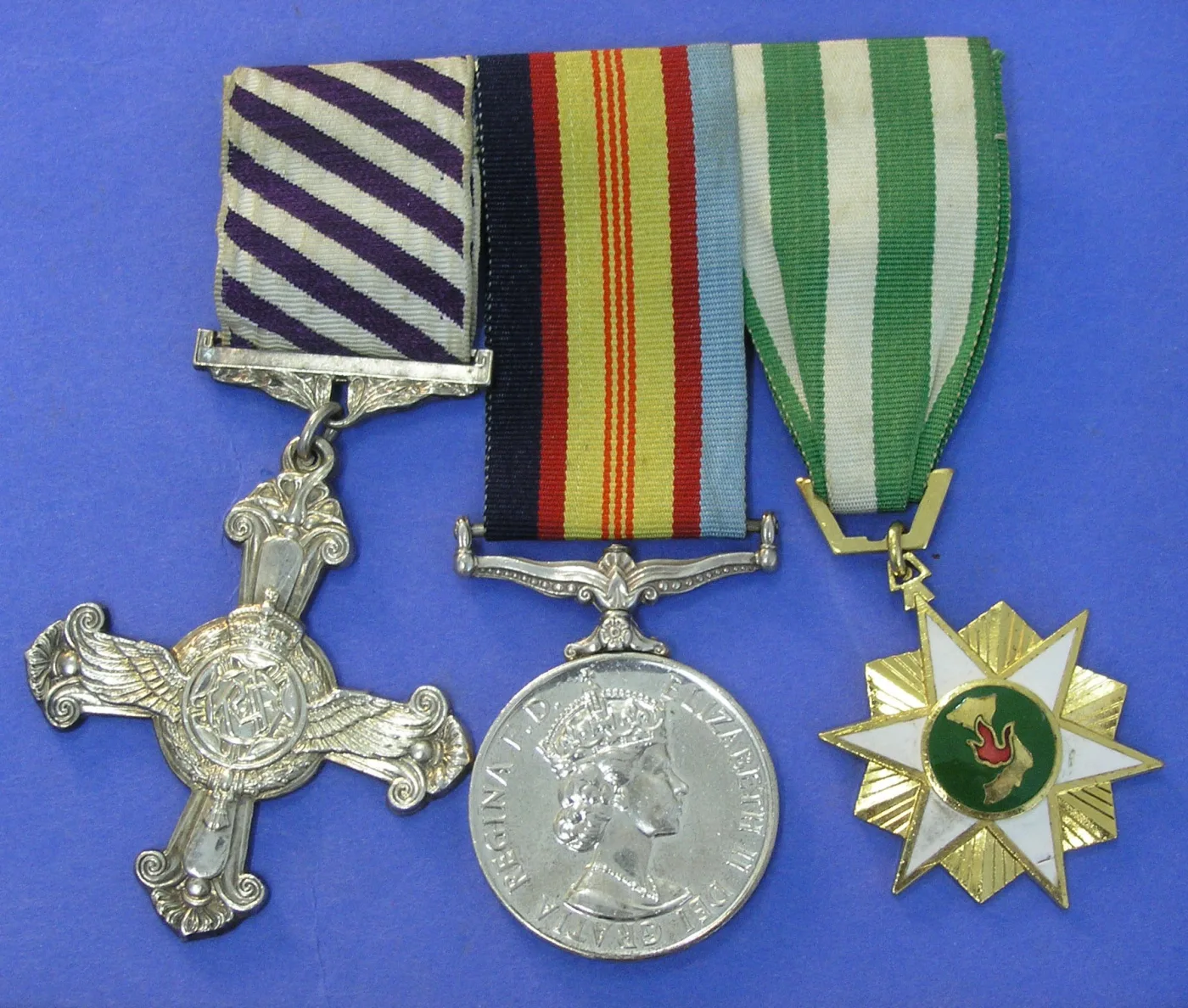
Antique medals and military decorations are tangible records of service, bravery, and national history. From 19th-century campaign medals to complex groups of 20th-century decorations, these pieces can represent specific battles, long service careers, or personal acts of heroism. For collectors, family historians, and militaria enthusiasts — whether focused on medals, powder flasks and horns, or weapons — learning how to correctly identify and interpret medals is essential for understanding both their historical context and financial value. Modern tools like the Antique Identifier app can rapidly recognize medals from photos using AI, but a solid foundation in traditional identification techniques remains crucial for serious research and collecting.
Table of Contents
- Understanding Antique Medals and Military Decorations
- Essential Tools for Medal Identification
- Key Features to Examine on Medals
- Ribbons, Clasps, and Bars: Decoding Service History
- Major Categories of Medals and Decorations
- Dating Antique Medals
- Authentication and Counterfeit Detection
- Provenance and Researching Recipient Histories
- Condition Grading, Rarity, and Valuation
- Storage, Conservation, and Display
- Legal and Ethical Considerations in Collecting Medals
Understanding Antique Medals and Military Decorations
Military and commemorative medals have been issued by governments, monarchs, and organizations since at least the 17th century, with rapid expansion in the 19th and 20th centuries. Each medal design, ribbon color, and inscription is tied to a specific campaign, long-service milestone, act of valor, or coronation event. Commemorative medalets and badges also crossed into civilian life, most notably the medalets and ribbon badges of political campaign memorabilia. Understanding why a medal was issued is the first step toward identifying it correctly.
Unlike coins or paper money, medals were often awarded to named individuals and worn on uniform, which means many pieces carry a unique personal story. For family historians, a single campaign medal can confirm a relative’s regiment, theater of war, and approximate dates of service. For collectors, the same information helps distinguish common medals from historically important groups with significant research potential.
Essential Tools for Medal Identification
While some medals are instantly recognizable, careful examination typically requires a small toolkit. Having the right tools will help you read faint inscriptions, identify maker marks, and confirm original components.
1. Visual and Magnification Tools
- Jeweler’s Loupe (10x–15x): Essential for examining maker marks, edge naming, and small hallmarks on suspensions or clasps.
- Good Lighting: Adjustable LED lighting helps reveal faint naming, ghosted inscriptions, and hairline cracks or repairs.
- Digital Camera or Smartphone: High-resolution photos allow zoomed-in analysis and comparison with reference images or AI identification tools.
2. Measuring and Weight Tools
- Digital Calipers: Measure medal diameter, thickness, and suspension width to compare with published specifications.
- Precision Scale: Weight can help confirm metal composition and detect cast copies or incorrect components.
- Ruler and Ribbon Gauge: Useful for checking ribbon width and bar spacing against known standards.
3. Reference and Research Resources
- Specialist Medal Catalogs: National references such as British, French, German, Russian, or U.S. medal guides with detailed photographs.
- Online Databases and Forums: Militaria communities and digital archives where collectors share high-resolution images and identification notes.
- Official Records: Service records, medal rolls, and honor lists available through national archives or subscription genealogy sites.
Key Features to Examine on Medals
Proper identification starts with a systematic examination of the medal’s design, inscriptions, and construction. Recording your observations in a consistent order makes later research easier and reduces the chance of missing important clues.
1. Obverse and Reverse Designs
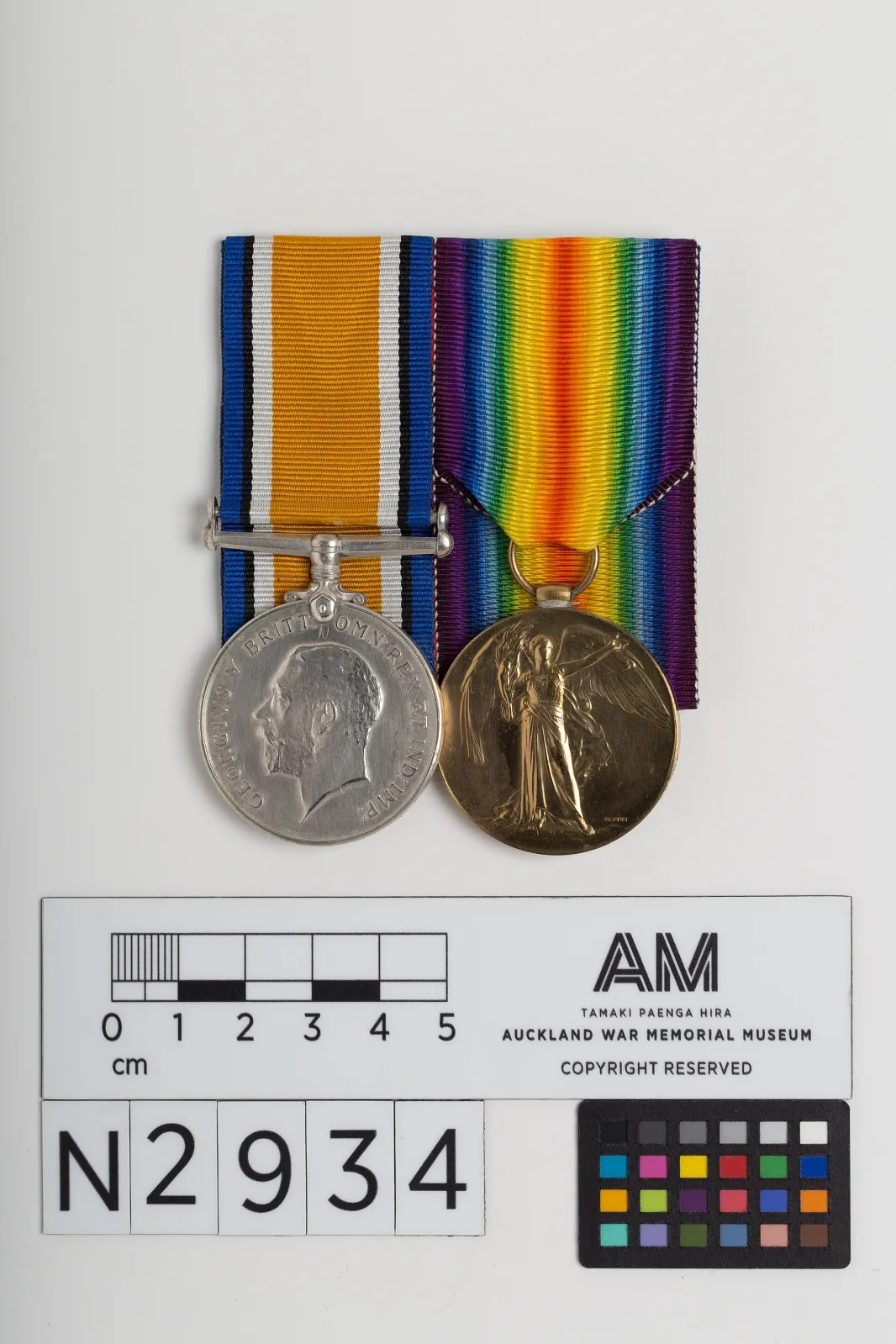
The main designs on the front (obverse) and back (reverse) provide crucial information:
- Portraits and Effigies: Monarchs, presidents, or symbolic figures help narrow down country and era.
- Central Motifs: Crowns, eagles, coats of arms, laurel wreaths, and national symbols often correspond to specific medal series.
- Date Panels: Campaign dates or commemorative years may appear in Roman or Arabic numerals.
- Artist Signatures: Small initials near the edge can identify the designer and confirm authenticity.
2. Inscriptions and Legends
Text around the edge and across the fields of the medal often states the award’s name or purpose:
- Language and Alphabet: Latin, Cyrillic, Arabic, or other scripts immediately point to a geographic region.
- Official Titles: Phrases like “For Bravery”, “For Distinguished Service”, or campaign names provide clear identification leads.
- Abbreviations and Codes: Military abbreviations, regimental numbers, and honor initials must often be decoded using reference books.
3. Edge Markings and Naming
Many medals were officially named to the recipient along the edge or on the reverse:
- Impressed or Engraved Naming: Look for the soldier’s name, rank, serial number, and unit; style and font can indicate period and authenticity.
- Mint Marks and Hallmarks: Small stamps can reveal metal purity, mint location, or contractor manufacturer.
- Serial Numbers: Some high-grade decorations have unique numbers that can be traced in official records.
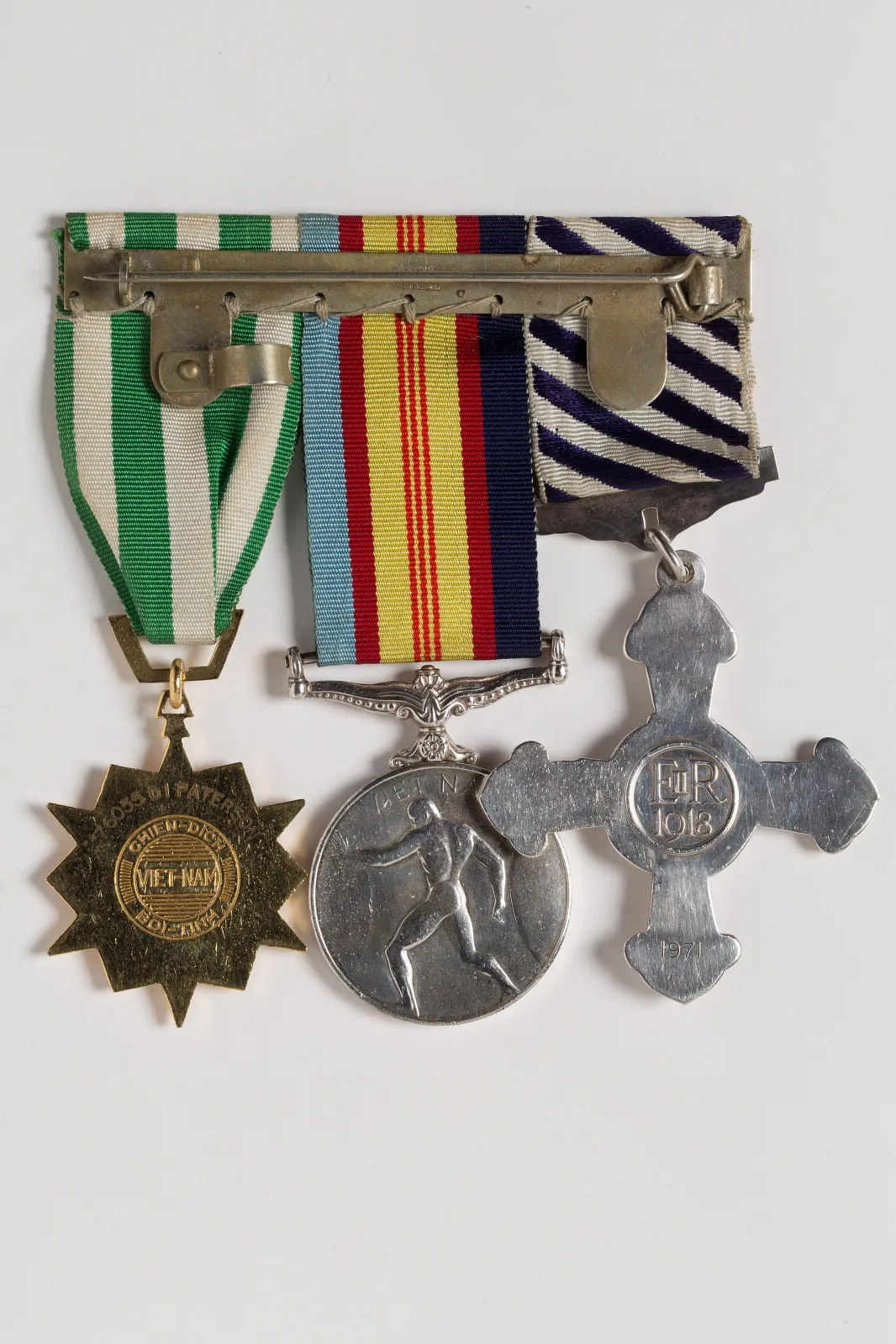
4. Suspension, Mounts, and Fixings
The way a medal is hung and worn is often as informative as the medal disc itself:
- Suspension Type: Simple rings, swiveling suspensions, ornate clasps, or crowns follow stylistic trends across periods.
- Mounting Style: Single, court-mounted, or swing-mounted groups may reflect national regulations and later re-mountings.
- Fasteners: Pins, hooks, and brooch fittings on decorations help distinguish original period pieces from later remounts.
Ribbons, Clasps, and Bars: Decoding Service History
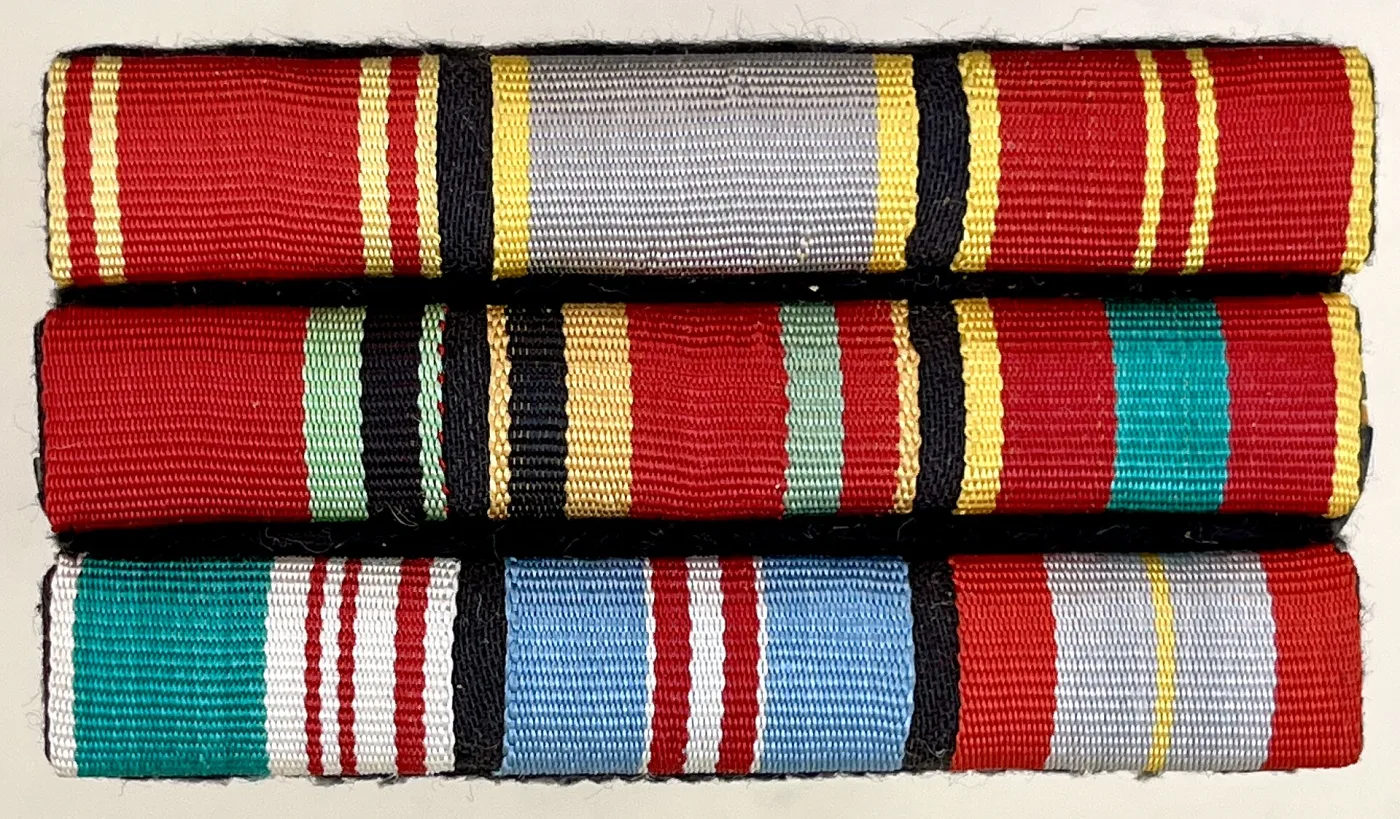
For many campaign and service medals, the ribbon and any attached clasps or bars contain as much information as the medal itself. Replaced or incorrect ribbons are common, so careful comparison with references is essential.
1. Ribbon Colors and Patterns
Ribbons are designed with specific color combinations and stripe patterns that signal different campaigns or levels of award:
- Color Sequences: Exact order and proportion of stripes can distinguish similar medals issued for different wars.
- Symbolic Colors: National colors, regimental shades, or service branches often influence ribbon design.
- Faded or Re-dyed Ribbons: Age, light exposure, and field repairs can alter colors, requiring cautious interpretation.
2. Clasps, Bars, and Rosettes
Additional metal bars or devices on the ribbon often record specific battles or additional awards:
- Named Clasps: Bars engraved with campaign or battle names show the recipient’s exact theaters of service.
- Stars, Rosettes, and Oak Leaves: Devices indicating repeated awards, higher classes, or mentions in despatches.
- Arrangement and Order: Original mounting usually follows regulation order; random or illogical ordering may suggest later assembly.
3. Identifying Replacement and Fantasy Ribbons
Because original ribbons are prone to damage, many medals have been re-ribboned:
- Weave and Texture: Modern synthetic ribbons feel and reflect light differently from early silk or cotton examples.
- Width and Edge Finish: Published standards list correct widths and edge types for each medal.
- Non-Regulation Combinations: Unofficial or “fantasy” ribbon combinations sometimes appear on assembled groups or reproductions.

Major Categories of Medals and Decorations
Grouping medals into broad categories helps you understand their purpose and relative rarity. Most collections include a mix of campaign medals, long-service awards, and orders or decorations.
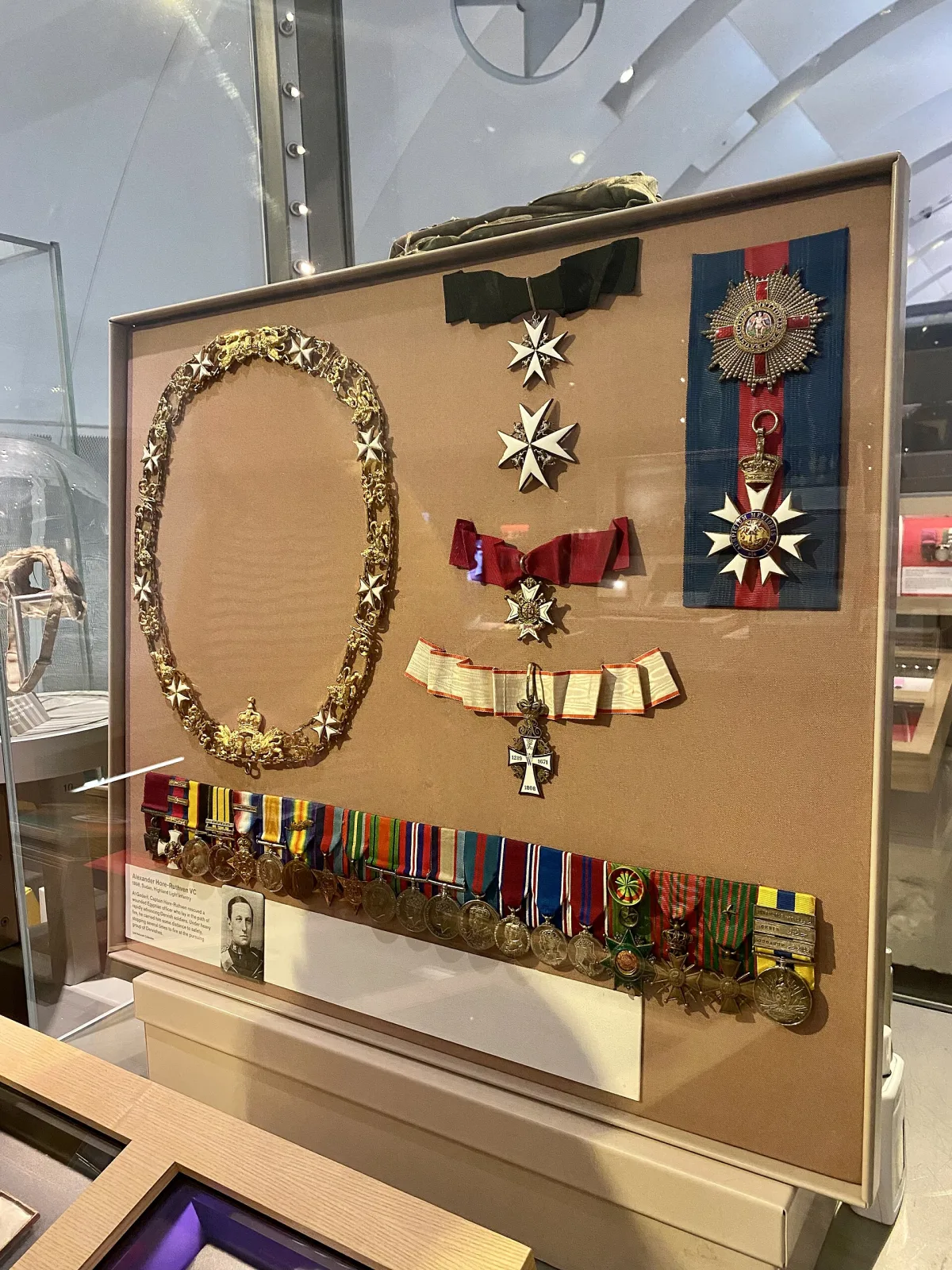
1. Campaign and War Medals
These medals were issued for participation in specific conflicts, theaters, or operations:
- Named Campaigns: Medals specifically titled for wars such as the Crimean War, Boer War, or World Wars. Campaign medals from these conflicts are often found alongside trench art — shell-casing vases and cartridge keepsakes made by the same soldiers.
- Theater Medals: Awards covering service in broader regions, such as “Pacific Theater” or “European Theater” campaigns.
- Multi-Clasp Systems: A single base medal with bars for individual battles or operations, often resulting in highly customized groups.
2. Gallantry and Valor Awards
High-grade decorations recognize individual acts of bravery or leadership:
- Orders and Crosses: Multi-class orders, crosses, and stars awarded for gallantry or distinguished service.
- Medals for Bravery: Specific medals for acts “in the face of the enemy” or under hazardous conditions.
- Documented Citations: Many high-level awards are recorded in official gazettes or citation books that can be matched to named medals.
3. Long Service and Good Conduct Medals
These medals recognize extended, disciplined service in the armed forces or auxiliary organizations:
- Years-of-Service Awards: Medals for 10, 15, 20, or more years of continuous service.
- Good Conduct Bars: Additional clasps or devices indicating extra periods of qualifying service.
- Reserve and Auxiliary Medals: Awards to reservists, volunteer units, or home defense forces.
4. Coronation, Jubilee, and Commemorative Medals
Non-combat medals issued to mark royal events, anniversaries, or major state occasions:
- Coronation and Jubilee Issues: Distributed to selected participants, officials, and service personnel.
- City or Regimental Medals: Locally issued pieces commemorating unveilings, parades, or visits.
- Civil Decorations: Awards for civilian merit that sometimes share design elements with military orders.
Dating Antique Medals
Establishing when a medal was produced or awarded is crucial for both historical research and valuation. Dating often combines design analysis with documentary evidence.
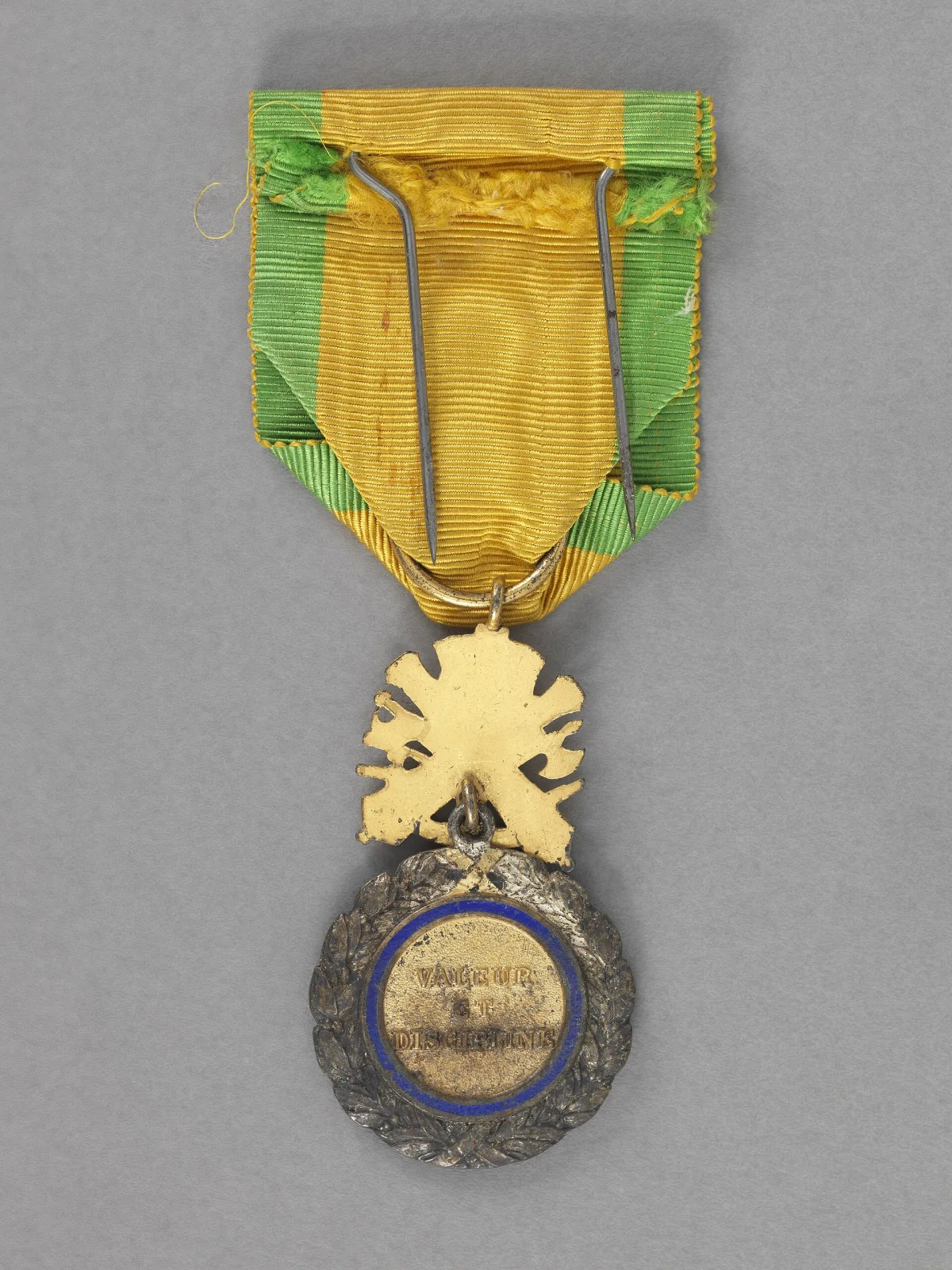
1. Monarch or Regime Depicted
Many medals change design when a new monarch or government takes power:
- Portrait Changes: Subtle updates to effigy style and inscriptions often coincide with major political shifts.
- Title Variations: Additions or removals of titles (e.g., “Emperor of India”) can narrow the date range.
- Coat-of-Arms Modifications: Changes in shield details or supporters sometimes reflect constitutional reforms.
2. Campaign Dates and Eligibility Periods
Official regulations specify the qualifying dates of service for each medal:
- Published Medal Regulations: Many governments published detailed orders describing medal introduction dates.
- Campaign End Dates: Medals usually appear shortly after conflicts conclude, providing a narrow issue window.
- Retroactive Awards: Some medals were backdated or issued decades later, which must be considered when dating naming styles.
3. Manufacturing and Naming Styles
Production methods evolved over time, providing additional dating clues:
- Die and Strike Quality: Early struck medals may show different relief and rim profiles compared with later restrikes.
- Edge Lettering Techniques: Hand-engraved, impressed, or machine-engraved styles can be tied to specific periods.
- Ribbon Materials: The shift from silk to synthetic fibers and changes in weave patterns assist with approximate dating.
Authentication and Counterfeit Detection
Because certain medals and high-order decorations can be extremely valuable, the market contains reproductions, fantasy pieces, and outright forgeries. Learning to recognize problem pieces is essential for safe collecting.
1. Comparing Specifications
Every genuine medal should match published technical data:
- Diameter and Thickness: Deviations from known measurements may indicate reproduction or altered pieces.
- Weight and Metal: Underweight or overweight medals, or incorrect alloy color, are red flags.
- Die Details: Soft or blurred detail, filled-in lettering, and incorrect fonts suggest casting instead of striking.
2. Surface and Edge Examination
High magnification reveals clues about how the medal was made:
- Seam Lines and Casting Bubbles: Evidence of casting rather than die striking.
- Tool Marks and Re-engraving: Altered naming or tampered serial numbers to mimic rarer awards.
- Artificial Aging: Chemically induced patina or deliberate scratching designed to mimic wear.
3. Documentation and Provenance
Paper trails are powerful tools in authentication:
- Original Certificates and Citations: Matching names, dates, and serial numbers confirm authenticity.
- Service Records: Cross-check that the recipient actually qualified for the medals present.
- Auction and Collection History: Reputable provenance helps separate important pieces from recent fabrications.
Provenance and Researching Recipient Histories
One of the most rewarding aspects of medal collecting is reconstructing the life and service of the original recipient. Careful research can transform a medal group from anonymous collectibles into a documented personal story.
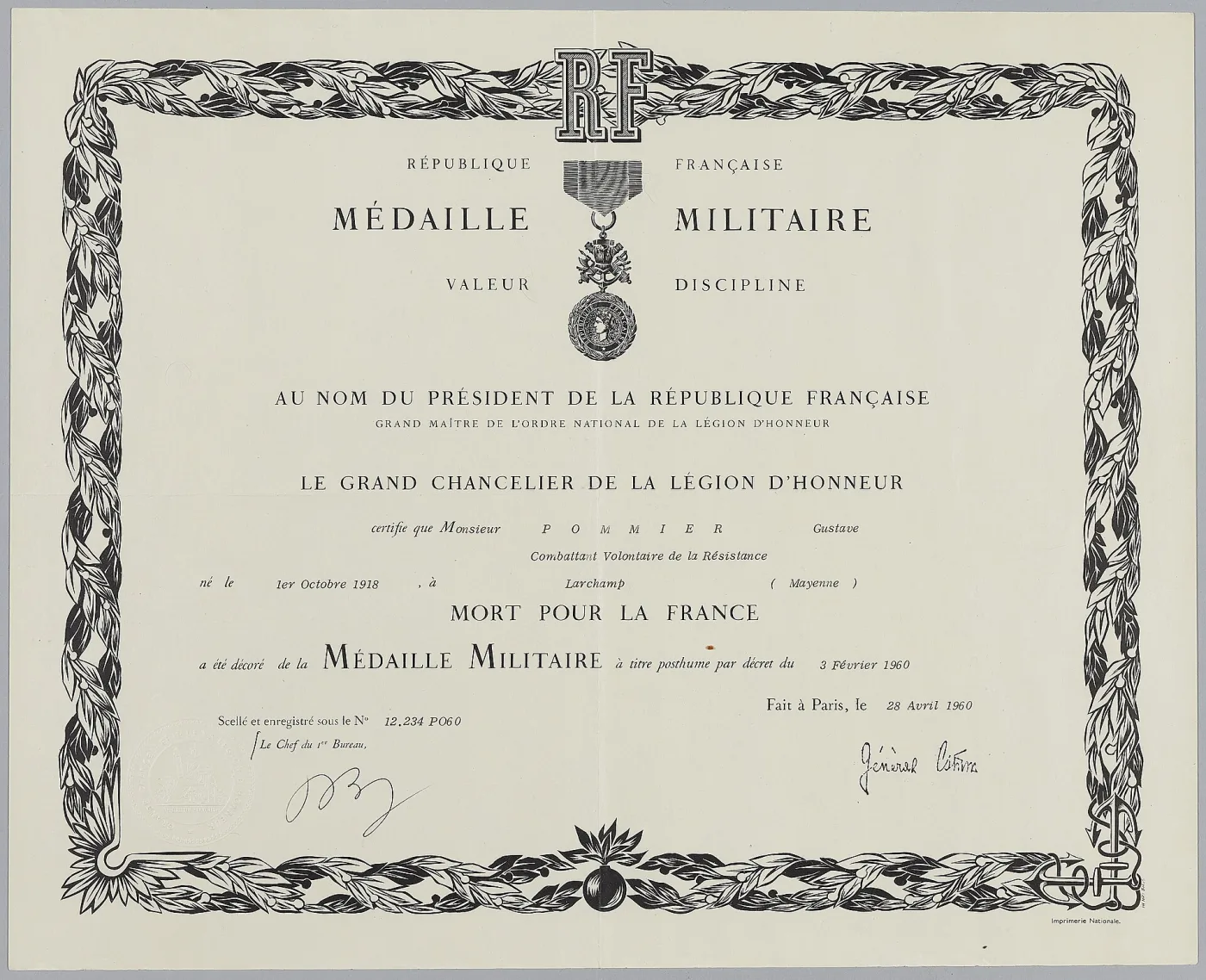
1. Decoding Naming and Units
Recipient naming is the starting point for nearly all provenance research:
- Rank and Regiment: Use abbreviations and unit numbers to narrow down archives and unit histories.
- Service Numbers: Serial numbers can link directly to digitized service files in national archives.
- Spelling Variants: Allow for mis-spellings and period abbreviations when searching databases.
2. Using Archival and Online Resources
Multiple record sets can be combined to build a detailed biography:
- Medal Rolls and Award Lists: Confirm entitlement to specific medals and clasps.
- Service and Pension Records: Provide enlistment dates, postings, ranks, and discharge information.
- Newspapers and Unit Histories: Sometimes mention bravery awards or casualty details.
3. Documenting and Preserving Provenance
Proper documentation increases both historical and market value:
- Research Files: Keep digital and physical copies of all records linked to each medal group.
- Labeling and Storage: Store medals with clearly written notes to prevent provenance from being separated.
- Ethical Storytelling: Present service histories respectfully, acknowledging the human stories behind the objects.
Condition Grading, Rarity, and Valuation
Like other antiques, the value of medals depends on a combination of condition, rarity, demand, and historical importance. A common campaign medal to a highly decorated individual can be worth more than a rarer type with no documented story.
1. Grading Condition
Medals and decorations are typically graded on a sliding scale from poor to mint state:
- Wear and Contact Marks: Look for smoothing of high points, edge knocks, and heavy scratching.
- Original Surfaces: Untouched patina and original finishes are generally preferred over polished examples.
- Ribbon Condition: Original but frayed ribbons may be better than modern replacements for serious collectors.
2. Rarity and Demand Factors
Several elements influence how frequently a medal appears on the market:
- Issue Numbers: Medals with small authorized issues are predictably scarce.
- Casualty and Survival Rates: Campaigns with high casualties or extensive wear may have low surviving medal counts.
- Collector Interest: Certain conflicts, branches, or nations currently attract intense collector demand.
3. Group Integrity and Split Groups
Medal groups originally awarded together are often more desirable than loose, single medals:
- Complete Groups: Sets containing all medals to an individual, plus related documents, command premium prices.
- Reunited Groups: Collectors sometimes reassemble medals split over time, which should be fully documented.
- Single Medals from Groups: Lone medals with evidence of being part of a larger group may be valued differently.
Storage, Conservation, and Display
Because medals combine metal, textile, and sometimes enamel, good conservation practice must protect all materials simultaneously. Poor storage can permanently damage ribbons and finishes.
1. Safe Storage Materials
Use archival-quality supplies whenever possible:
- Acid-Free Trays and Boxes: Protect medals from chemical damage and dust.
- Inert Plastics: Polyester or Mylar envelopes are better than PVC, which can off-gas and damage surfaces.
- Separated Compartments: Prevent medals from rubbing against each other and transferring patina or dyes.
2. Environmental Control
Medals should be kept in stable environmental conditions:
- Temperature and Humidity: Moderate, stable conditions reduce corrosion, mold, and ribbon degradation.
- Light Exposure: Limit direct sunlight on ribbons to prevent fading; use UV-filtering glazing on display frames.
- Handling Practices: Handle medals by the rim, use clean hands or cotton gloves, and support ribbons to avoid stress.
3. Cleaning and Restoration
Over-cleaning can drastically reduce both numismatic and historical value:
- Avoid Abrasive Polishes: Harsh polishing removes original surfaces and detail.
- Gentle Dusting Only: Use soft brushes or cloths to remove loose dust, leaving patina intact.
- Professional Conservation: For important or fragile pieces, consult a trained metals conservator.
Legal and Ethical Considerations in Collecting Medals
Because medals and decorations are tied to real individuals and often to sensitive historical events, collecting them carries legal and ethical responsibilities. Understanding the rules in your jurisdiction is essential.
1. Ownership and Export Laws
Some countries regulate the sale and export of certain medals:
- National Heritage Restrictions: High-level decorations or medals to specific units may be protected.
- Export Permits: Moving medals across borders can require permits, especially for state orders or rare decorations.
- Recovered Artifacts: Items excavated from battlefields or shipwrecks may be subject to cultural property laws.
2. Ethical Collecting Practices
Responsible collectors consider the human stories attached to medals:
- Respectful Display: Avoid sensationalizing casualty groups or tragic histories.
- Transparent Provenance: Document how and when medals entered your collection.
- Family Wishes: In some cases, families may wish to retain or recover important medal groups.
3. Digital Tools and Modern Research Ethics
AI tools and online databases have made medal research far more accessible:
- Privacy Considerations: When sharing research online, be mindful of living relatives and sensitive personal data.
- Responsible Image Sharing: Watermark or credit sources appropriately when using other researchers’ photos.
- Combining AI with Expertise: Use tools like the Antique Identifier app as a starting point, then confirm results with traditional research.
Conclusion
Antique medals and military decorations occupy a unique place in the world of collecting: they are at once works of design, records of service, and deeply personal heirlooms. By learning how to read designs, ribbons, clasps, maker marks, and naming styles, you can unlock the stories encoded in each piece and distinguish ordinary issues from historically significant groups.
Whether you are researching a family medal group, building a focused collection on a particular conflict, or preserving a local regiment’s history, systematic identification and careful documentation will reward you with richer insights and more secure valuations. Pairing these traditional skills with modern AI-powered tools and online archives makes it easier than ever to study, catalog, and share these remarkable artifacts.
Approached with respect and curiosity, the field of medal collecting offers endless opportunities for discovery. Each medal represents a human story—understanding how to identify and interpret it is the first step toward honoring that story and preserving it for future generations.