
Antique Cigarette Lighter Identification Guide: Makers, Mechanisms, and Dating
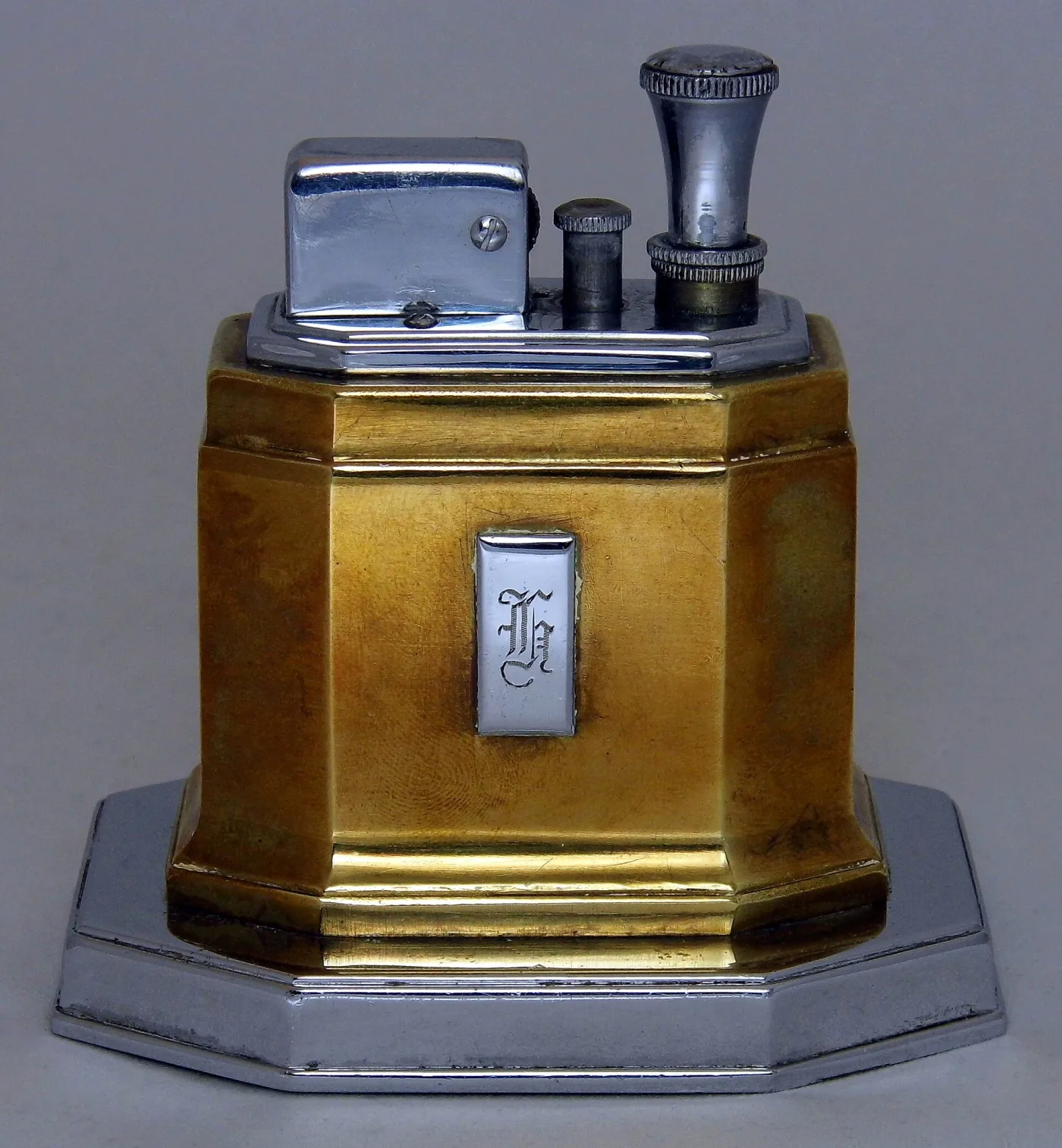
Few small objects pack as much history, engineering, and design into the palm of a hand as the cigarette lighter. From the first crude naphtha strikers of the 1910s to the streamlined chrome and enamel jewels of the Art Deco years and the mass-produced flip-tops of mid-century America, lighters trace a century of taste, technology, and everyday ritual. Because tens of millions were made, they surface constantly — in junk-drawer lots, at estate sales, in the bottom of grandfather's dresser — and because a plain-looking case can hide a prized maker, learning to read one is genuinely worthwhile.
The trouble is that lighters are easy to mistake. A sterling Dunhill and an unmarked drugstore lighter can look alike across a table; a common 1970s Zippo and a rare early one differ chiefly in a tiny code stamped on the base; a "solid gold" novelty may be plated brass. What separates a two-dollar lighter from a genuinely collectible one is almost always the maker, the mechanism, the material, and the marks — the same four questions that organize this guide.
Below we cover what actually counts as an antique or collectible lighter, the ignition mechanisms and body types that define the field, the major makers and how to tell them apart, the all-important date codes (Zippo's above all), how to read hallmarks and patent numbers, the materials and finishes that drive value, condition and the perennial "does it need to work?" question, reproductions and marriages, and sensible care. Whether you have inherited a single engraved lighter or are sorting a boxful at a sale, the aim is the same: to help you name the maker, place the date, and judge what you have.
Table of Contents
- What Counts as an Antique Lighter
- A Short History of the Lighter
- Ignition Mechanisms
- Body Types and Forms
- The Major Makers
- Zippo and the Bottom-Stamp Date Code
- Ronson, Dunhill, and the Automatics
- European and Japanese Makers
- Marks, Hallmarks, and Patent Numbers
- Materials and Finishes
- Dating a Lighter
- Condition and Whether It Must Work
- Value Factors and Price Ranges
- Reproductions, Marriages, and Fakes
- Care, Fuel, and Handling
- Quick Identification Checklist
What Counts as an Antique Lighter
Strictly, "antique" means at least a hundred years old, which today reaches back to roughly the mid-1920s. By that measure only the earliest naphtha strikers, the first Ronson automatics, and early precious-metal pieces are true antiques. In practice, the collecting field is far broader: dealers, clubs, and price guides treat the whole span of collectible lighters — comfortably including mid-century and even later pieces — as a single category, exactly as happens with cameras, radios, and wristwatches.
So it is more useful to think in tiers than to police a single date. Genuinely antique lighters (pre-1930s) are scarce and often valuable. Vintage lighters — the Art Deco through mid-century decades, roughly the 1930s to 1970s — make up the heart of the market and include most Zippos, Ronsons, Dunhills, and their rivals. Later collectible lighters, from the butane era onward, are widely traded but generally command less unless they are rare models or in mint, boxed condition.
Lighter, Match Holder, or Striker?
Keep the cigarette lighter distinct from its cousins. A lighter generates and sustains its own flame from stored fuel; a match holder or match striker merely stores and ignites matches; and a vesta case or match safe is a small box for carrying strike-anywhere matches. These are separate collecting categories with separate values, though they overlap in the wider world of smoking accessories and often turn up together. This guide is about the self-contained flame-producing device.
A Short History of the Lighter
The mechanical lighter as we know it depended on two enabling inventions: a reliable spark and a controllable fuel. Both matured in the early twentieth century, and the object evolved quickly from a chemist's novelty into a pocket staple.
Origins and the Ferrocerium Spark
Early attempts at pocket fire-making in the nineteenth century relied on chemical or friction devices that were fussy and dangerous. The breakthrough came in 1903 when the Austrian chemist Carl Auer von Welsbach patented ferrocerium — the "flint" that throws a hot spark when scraped. Combined with a fuel-soaked wick, this gave the wheel-and-flint lighter its enduring form. The first practical pocket lighters using naphtha (lighter fluid) appeared in the 1900s and 1910s.
Trench Lighters and the First World War
The Great War made the lighter a mass object. In the trenches, matches were unreliable in wind and wet and their flare drew snipers, so soldiers made and bought simple wick lighters — the origin of the term "trench lighter." Many were improvised from cartridge cases and coins; others were cheap commercial strikers. The habit of carrying a lighter came home with millions of veterans, and the market exploded in the 1920s.
The Automatic and the Art Deco Golden Age
In 1926 the American firm Art Metal Works introduced the Ronson De-Light, whose "press, it's lit; release, it's out" one-motion mechanism defined the automatic lighter and became the template for a generation. The 1920s and 1930s were the design golden age: sleek chrome, enamel, and precious-metal lighters in the Machine Age idiom, from luxury houses like Dunhill and Cartier down to countless affordable brands. The bold geometry of these pieces is pure Art Deco, and the finest are collected as much for their style as their mechanism.
Zippo, Mid-Century, and the Butane Shift
In 1932–33 George G. Blaisdell of Bradford, Pennsylvania, launched the Zippo: a rugged, windproof, rectangular flip-top with a lifetime guarantee. It became the archetypal American lighter and a fixture of every mid-century pocket. From the late 1940s the field diversified with musical lighters, table lighters, and endless novelties. The decisive technical change came with butane (piezo and later disposable) lighters from the 1950s–70s, which gradually displaced petrol wick lighters and closed the classic era.
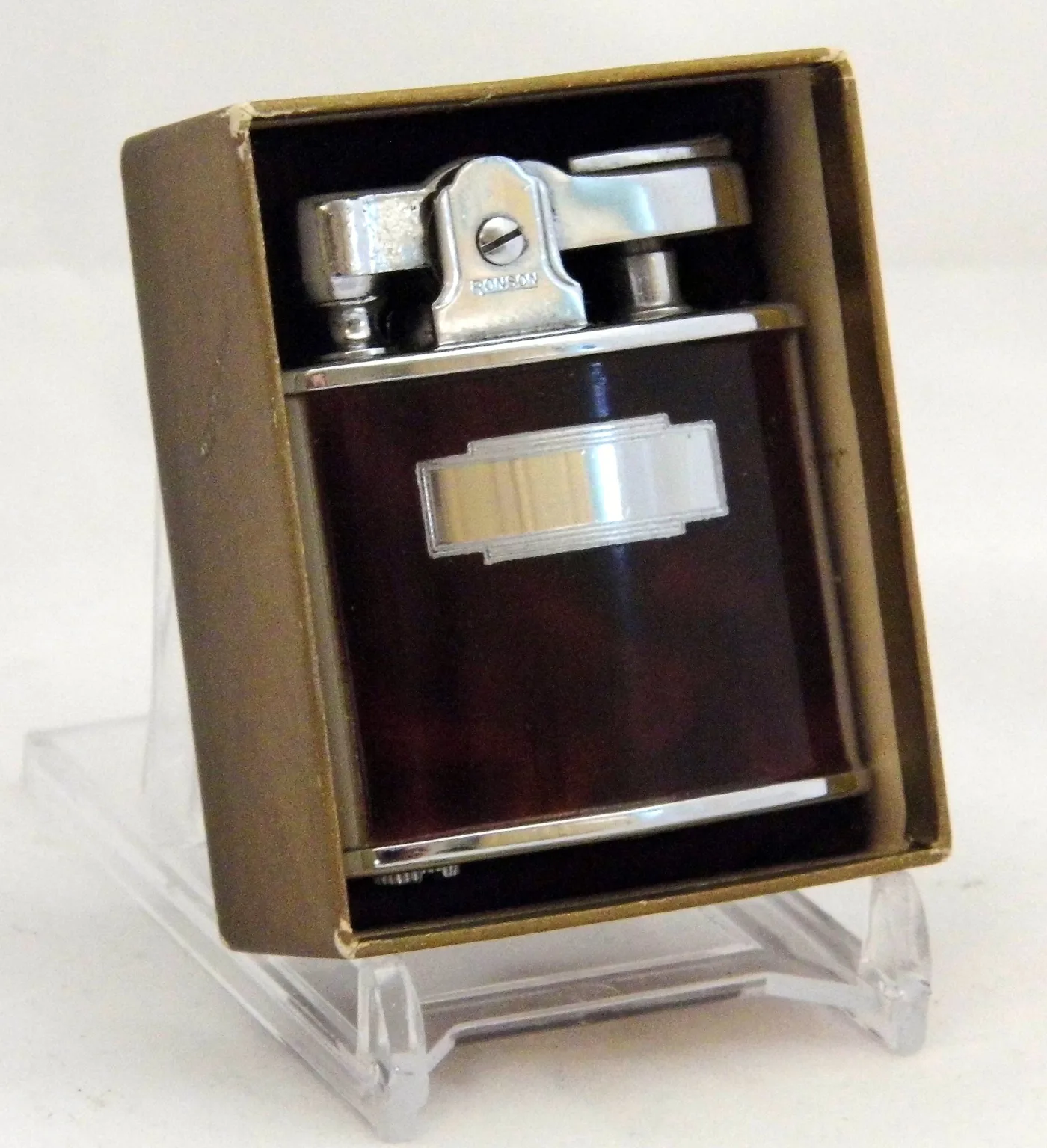
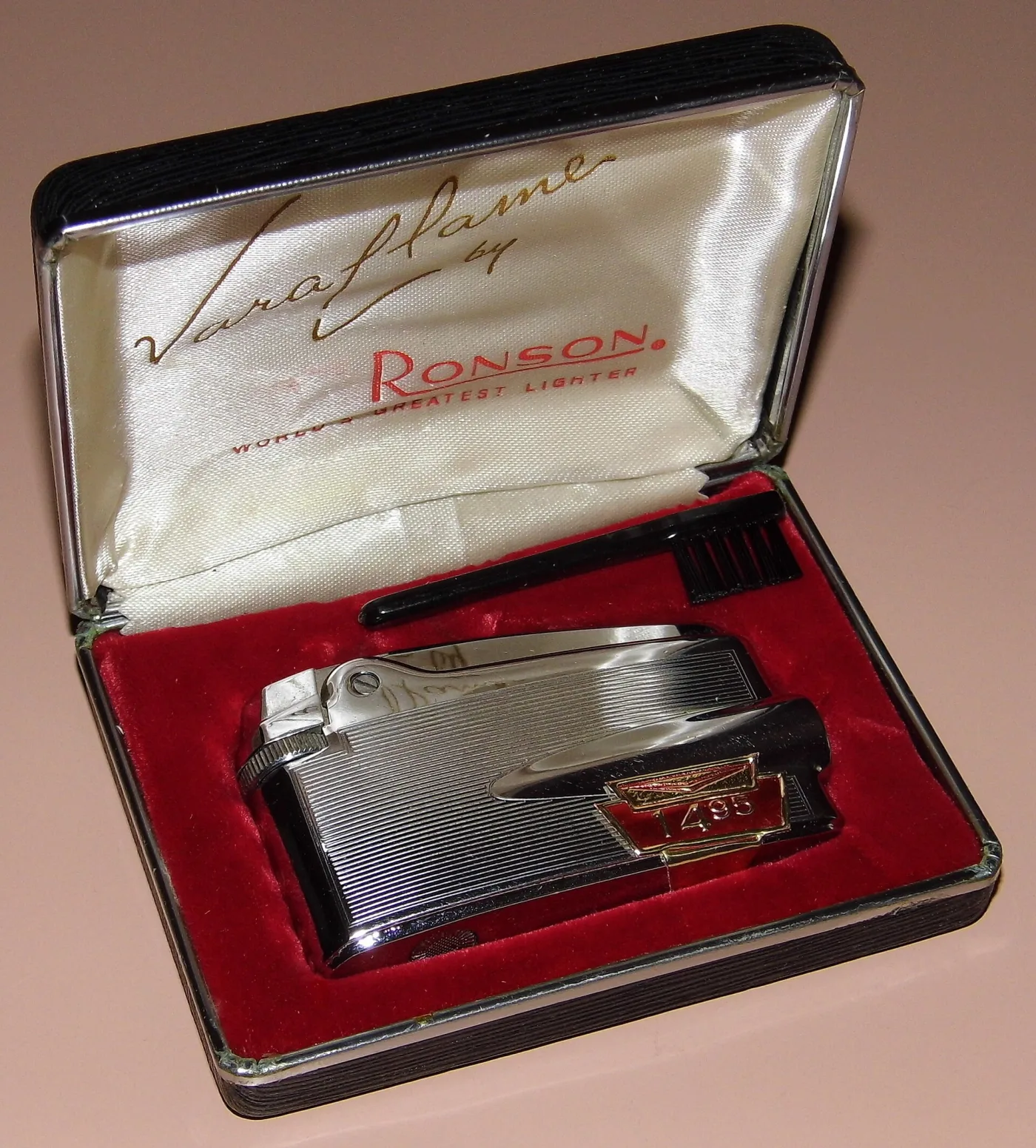
These two are the fuel change in one frame, and the tell is at the base, not the top. The petrol lighter has a felt pad screwed or pressed into its underside, because it was filled by soaking wadding; the butane one has a small knurled valve you push a canister onto. A lighter presented as pre-war with a butane valve underneath has been re-fitted, which is common and worth knowing before you pay for the earlier date. The Varaflame here also keeps its box, brush and $14.95 tag — original packaging on a mid-century lighter routinely doubles what the lighter alone brings.
Ignition Mechanisms
The mechanism is the first thing to identify, because it dates and classifies a lighter at a glance and often points straight to a maker. Nearly every collectible lighter falls into one of a few mechanical families.
Manual (Strike) Wick Lighters
The simplest type: a fuel-soaked wick, a ferrocerium flint, and a knurled thumb-wheel (striker wheel) that the user spins by hand to throw a spark. The flame is lit and extinguished manually. The Zippo, the IMCO Triplex, and most trench and pocket petrol lighters are strike-wick lighters. A thumb-wheel worn shiny and slightly grooved is the signature of this family.
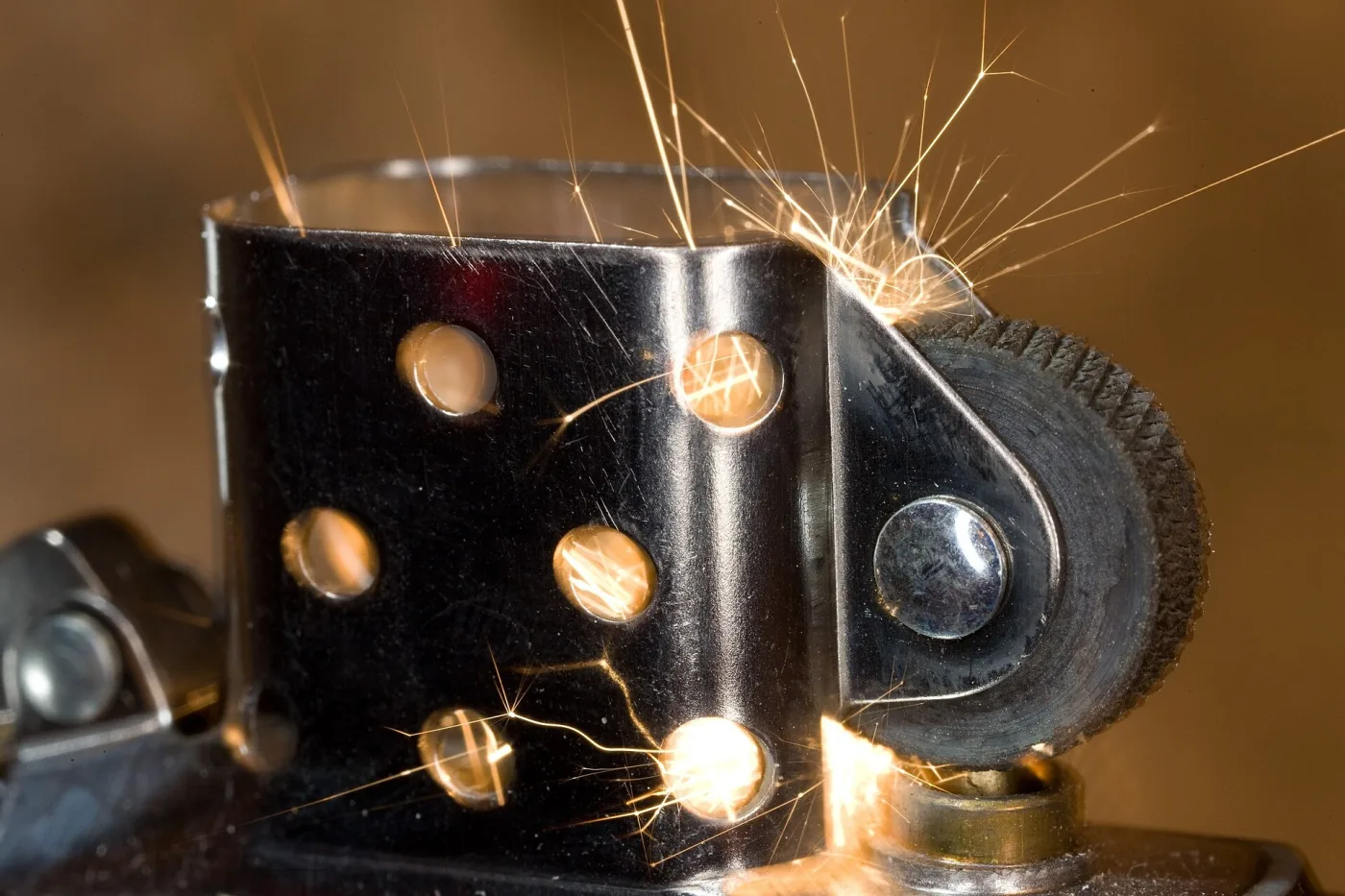
Automatic and Semi-Automatic Lighters
An automatic lighter ignites and extinguishes in a single press of a button or lever — the Ronson De-Light principle. A semi-automatic lighter opens the cover and sparks the wheel with one motion but requires a separate action to close. These mechanisms, with their springs, cams, and snuffer caps, are more complex than the plain strike-wheel and were a major selling point from the late 1920s onward.
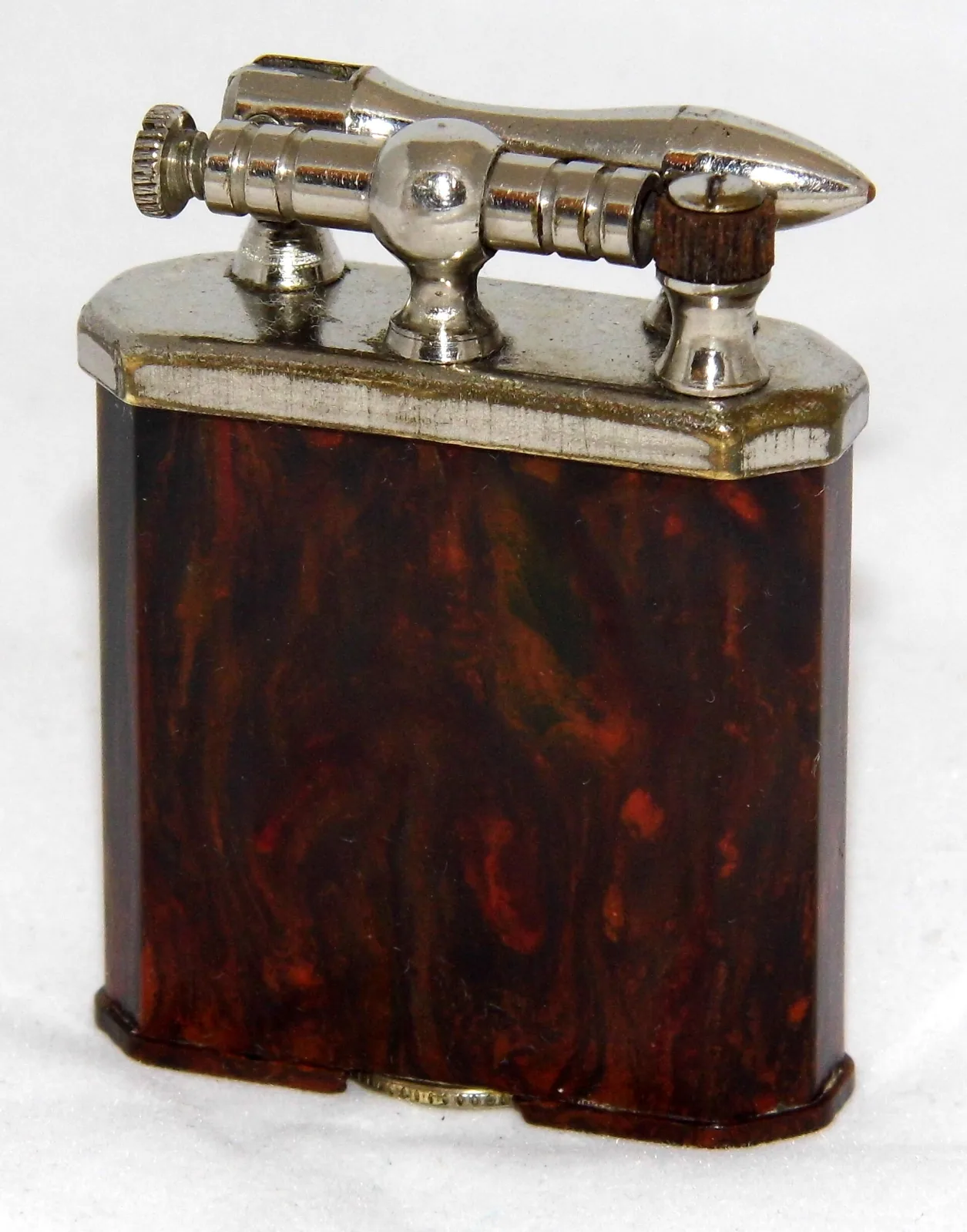
Lift-Arm Lighters
A distinctive early-to-mid-century form in which raising a hinged lift-arm lifts a snuffer cap off the wick and simultaneously (or with a thumb-turn) sparks the flint. Dunhill's "Unique" and many Ronson and continental lighters used the lift-arm. The visible pivoting arm on the side or top is unmistakable and a strong dating and attribution clue.
Butane, Piezo, and Catalytic Types
Later lighters replaced petrol and wick with pressurized butane, lit either by a flint wheel or, from the 1960s–70s, a piezoelectric crystal (the "click" ignition). A separate curiosity is the catalytic or "flameless" pocket lighter using a platinum-wire catalyst. Butane and piezo mechanisms generally indicate a later, post-classic lighter, useful for placing an unmarked example in time.
Body Types and Forms
Independently of the mechanism, lighters come in a handful of body forms, and naming the form sharpens both description and dating.
Pocket Lighters
The commonest form: small enough to carry, in flip-top (Zippo-style hinged lid), lift-arm, or slide/case configurations. Pocket lighters are where most collecting activity concentrates and where maker marks are most often found on the base or inside the case.
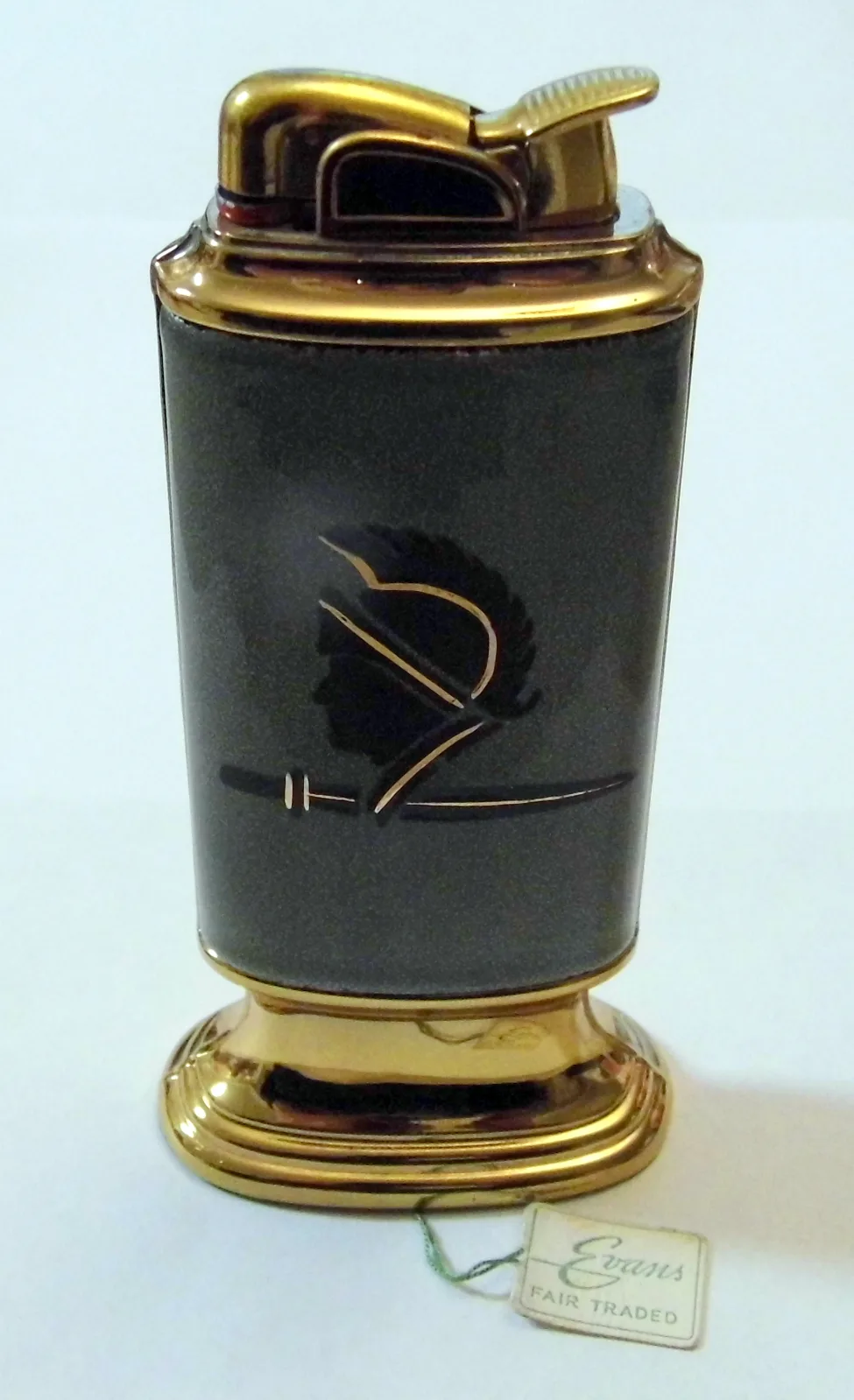
Table and Desk Lighters
Larger lighters made to sit on a table or desk, often weighted, frequently mounted on a decorative plinth of onyx, marble, chrome, or silver, and sometimes combined with a cigarette box, ashtray, or clock. Table lighters were popular smoking-room and gift items and pair naturally with other smoking accessories such as cigarette boxes and ashtrays. Many desk lighters echo the fitted look of desk accessories of the period.
Figural and Novelty Lighters
Lighters cast or built in the shape of something else — animals, pistols, cars, lamps, golf clubs, human figures, or miniature objects — and novelty lighters incorporating a watch, a music box, a compact, or a camera. These forms are collected as a specialty and vary enormously in quality, from cheap cast pot-metal to fine silver.
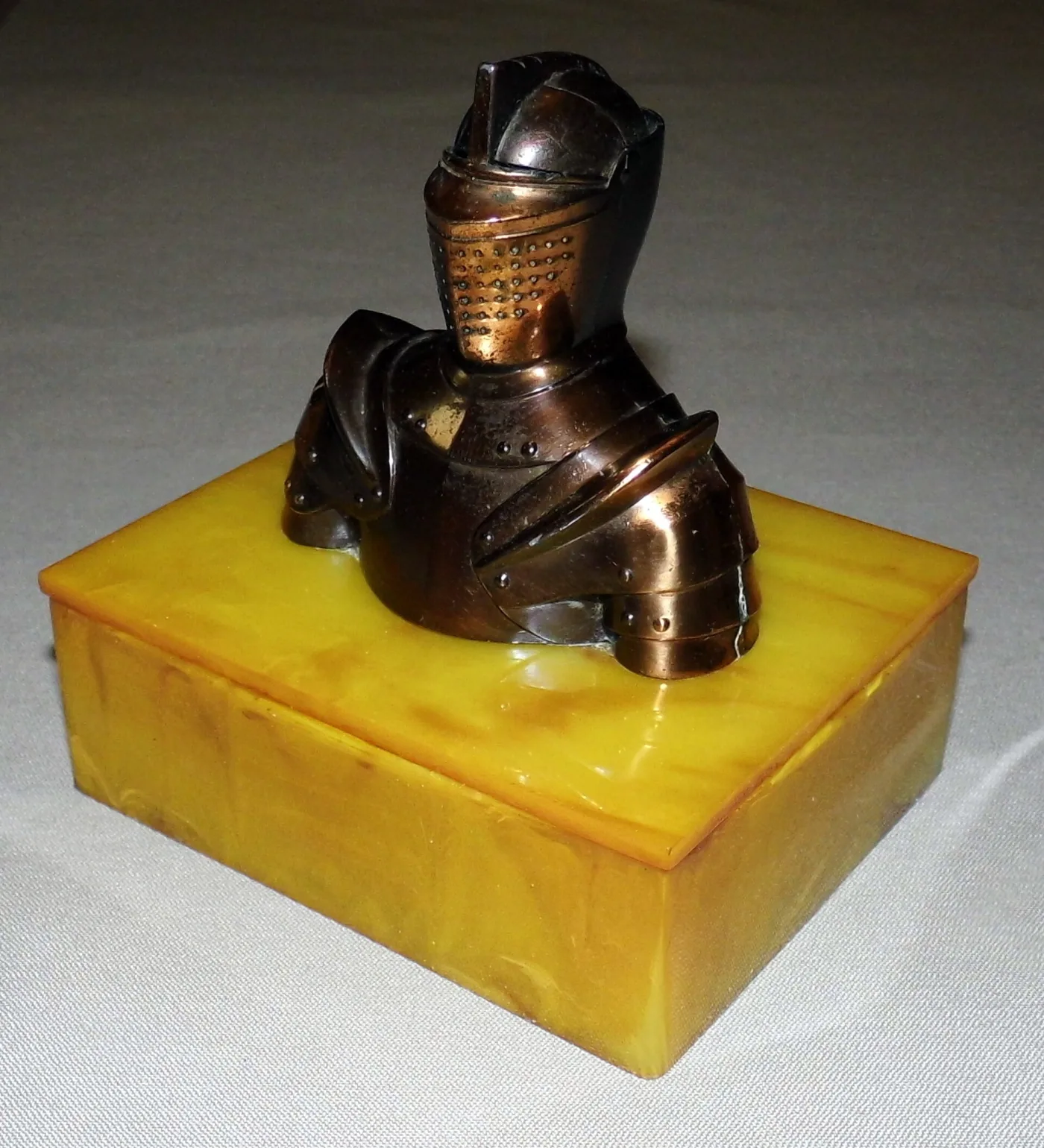
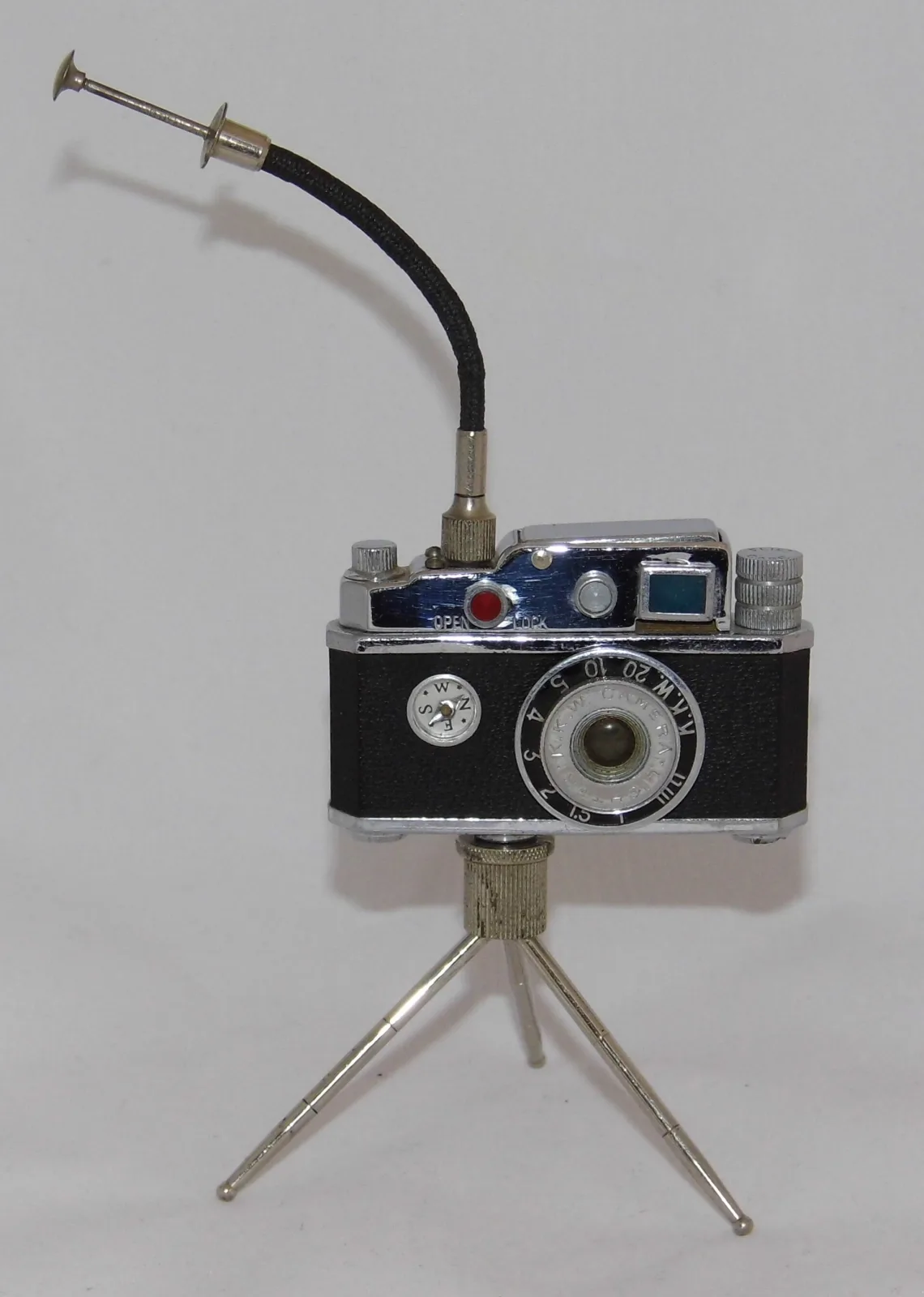
Both are novelties, and each carries a date bracket that the shape itself does not. The knight sits on catalin — cast phenolic, at its commercial peak from the mid-1930s to about 1950, and yellowing towards butterscotch with age, which is why an evenly pale example should be treated with suspicion. The camera is stamped Made in Occupied Japan, a legend used only between 1947 and 1952, so it dates itself to five years with no further research. That is the general lesson for figurals: the object being imitated tells you nothing about age, and the material, the mark and the country legend tell you everything.
Combination and Advertising Lighters
Combination pieces marry a lighter to a cigarette case, a compact or vanity case, a watch, or a knife. Advertising lighters — carrying a company name, logo, or slogan — are a huge sub-field; most are common give-aways, but early or unusual branding can be desirable. Note whether the advertising is integral (enameled or engraved at manufacture) or a later add-on.

The Major Makers
Identifying the maker is the core of lighter identification, and it is done chiefly through marks on the base or case, the mechanism style, and the characteristic look of each firm's products. A handful of companies dominate the surviving population, and knowing their signatures resolves most examples.
The American Giants
Zippo (Bradford, Pennsylvania, 1932–present) is the most collected of all, thanks to rugged construction, endless case designs, and a bottom stamp that dates most examples precisely. Ronson (Newark, New Jersey; originally Art Metal Works) pioneered the automatic and produced the enormous "De-Light," "Banjo," "Whirlwind," and later "Varaflame" ranges. Evans made stylish combination and lady's lighters, often with matching cases and compacts. Scripto (Atlanta) is known for the clear-tank "Vu-Lighter." These four names cover a large share of American lighters.
The Luxury Houses
Dunhill (London) is the blue-chip name: its "Unique" lift-arm and later "Rollagas" butane lighters, often in silver or gold, sit at the top of the market. Cartier, Tiffany & Co., Colibri (higher-grade lines), and continental jewelers also produced fine precious-metal lighters. A luxury-house mark combined with a precious-metal hallmark is the strongest value signal in the field, so any name of this rank warrants careful confirmation.
Continental and Japanese Firms
Europe and Japan produced many important makers, discussed in their own section below: IMCO and KW (Karl Wieden) in Austria and Germany, Thorens in Switzerland, Colibri in Britain, and a large number of Japanese firms whose output ranges from "Occupied Japan" novelties to well-made mid-century pocket lighters. Attribution for these rests on base marks, country-of-origin stamps, and documented mechanism styles.
Zippo and the Bottom-Stamp Date Code
Zippo deserves its own section because it is both the most commonly encountered collectible lighter and the easiest to date accurately — the company stamped a dating system into the base of nearly every lighter it made from the mid-1950s onward. Learning to read the bottom stamp is the single most useful skill for anyone sorting a box of lighters.
Reading the Bottom Stamp
Turn the lighter over and examine the stamp on the base. Broadly, Zippo bottom stamps evolved through recognizable eras: early lighters (1930s–40s) carried patent numbers and patent-pending wording; from about 1955 Zippo added a system of dots, slashes, and later letters and Roman numerals flanking the "ZIPPO" name to encode the year (and, in the later system, the month). The presence and style of the patent number, the "PAT. 2032695" or "PAT. PEND." markings, and the arrangement of date symbols together place most Zippos within a year or two.
Case Bottom and Construction Clues
Beyond the code, construction details help: the earliest cases had a distinctive outside hinge and different corner radii; the number of hinge barrels, the shape of the insert (the inner unit with the wheel and wick), the style of the "ZIPPO" script, and the type of felt and packing all shifted over time and are well documented by collectors. A lighter whose insert does not match its case (a common repair) is a form of marriage worth noting.
Commemoratives, Sleeves, and Rarity
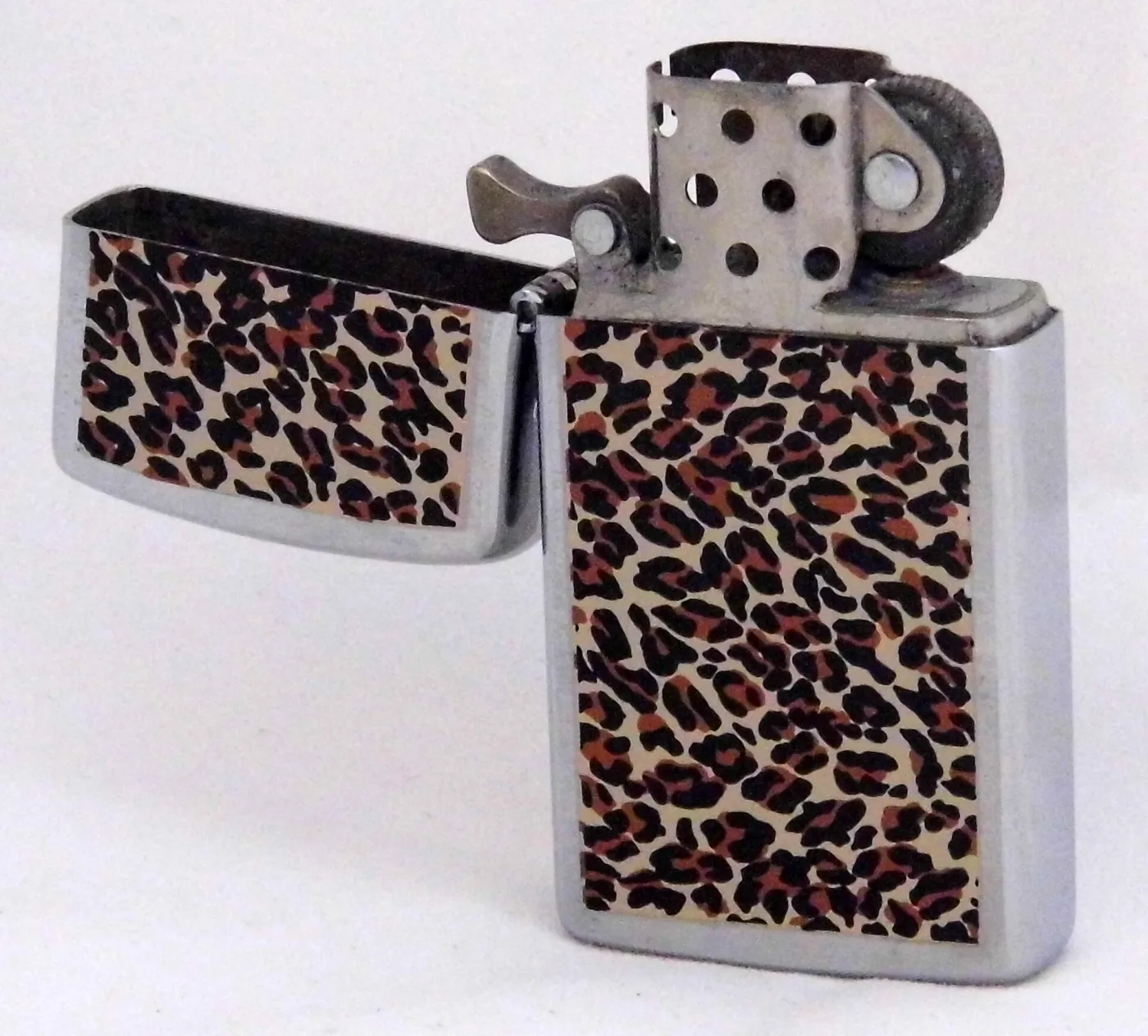
Much of the Zippo market is driven by case design rather than mechanism: military, advertising, town-and-country enamel, sports, and commemorative issues, plus rare early models and unusual finishes. Boxed lighters with original paperwork and sleeve command premiums. Because the mechanism is standardized and endlessly serviceable, condition of the finish and the desirability of the design usually matter more to a Zippo's value than whether it currently lights.
Ronson, Dunhill, and the Automatics
The automatic and lift-arm makers form the other great pillar of the field, and their lighters are identified by mechanism style and base marks as much as by name.
Ronson
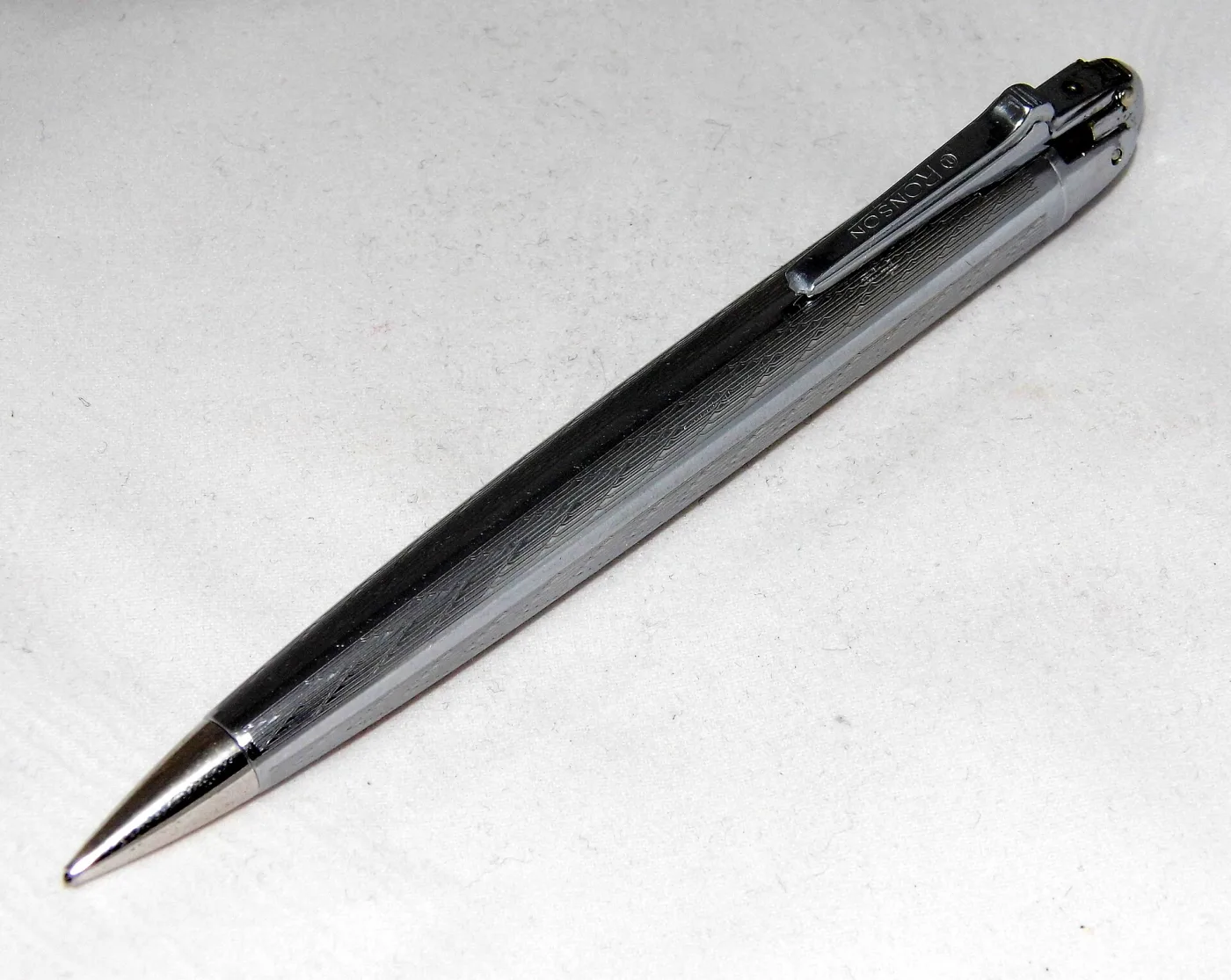
Ronson's De-Light (from 1926) established the press-to-light automatic, and the firm's subsequent ranges — the "Banjo," "Whirlwind," "Princess," "Queen Anne" table lighters, and the later "Varaflame" butane series — are widely collected. Ronson lighters typically carry the Ronson name and model markings on the base, and their distinctive one-motion mechanism and case shapes are well documented. The brand's history through Art Metal Works and Aronson is itself a dating aid.
Dunhill
Dunhill sits at the luxury summit. The "Unique" lift-arm lighter (from the 1920s) and the later "Rollagas" butane lighter, frequently in sterling silver or gold with engine-turned (guilloché) finishes, are benchmark collectibles. Dunhill lighters carry the Dunhill name and, on precious-metal examples, full hallmarks, making them among the most precisely attributable and datable lighters of all. Because the name carries such a premium, Dunhill is also among the most faked, so marks deserve close scrutiny.
Evans, Scripto, and the American Field
Evans specialized in elegant combination lighters and lady's sets, often with matching cases, compacts, and vanity accessories, and its enamel and guilloché finishes are attractive and collectible. Scripto's clear-reservoir "Vu-Lighter," which let the user see the fuel level and often carried advertising or a decorative insert, is a distinctive and popular mid-century American type. Each is identified by its base marks and characteristic construction.
European and Japanese Makers
A great many collectible lighters came from Europe and Japan, and recognizing the leading names and their country marks resolves examples that carry no famous American or British brand.
Austrian and German Makers
IMCO (Julius Meister, Austria) made enormously popular, inexpensive, well-engineered petrol lighters — the Triplex and its relatives — often built partly from repurposed materials and exported worldwide. KW (Karl Wieden) of Germany produced quality pocket lighters in the Art Deco and mid-century periods. German and Austrian lighters usually carry a maker mark and a country-of-origin stamp, and their mechanisms and case styles are documented.
Swiss and British Makers
Thorens of Switzerland made high-quality semi-automatic and lift-arm lighters (the "Oriflam" among them), some in precious metal, prized for their engineering. Colibri, a British firm, produced a wide range from mid-century petrol lighters to later butane models, some quite collectible. As always, base marks and hallmarks anchor attribution.
Japanese and "Occupied Japan" Lighters
Japan exported a flood of lighters after the Second World War, and pieces stamped "MADE IN OCCUPIED JAPAN" (a narrow 1945–1952 window) are collected both as lighters and as Occupied-Japan items. Later Japanese firms made well-regarded pocket lighters, musical lighters, and novelties. The country-of-origin stamp is a firm dating tool: "Occupied Japan" brackets a piece tightly, while "Japan" alone indicates a later export.
Marks, Hallmarks, and Patent Numbers
When present, marks settle attribution and often dating instantly, so a methodical search for them is the heart of examining any lighter. They hide in a few predictable places and take several forms.
Where to Look
Examine the base first — most makers stamped their name, model, and often a patent number or date code there. Then check the inside of the case or lid, the insert or fuel unit, and any flat interior surface. Open a flip-top and look inside; lift a lift-arm and inspect beneath it. A maker's name, a model name, a patent number, and a country-of-origin stamp are the four marks you are hunting, and any one of them advances the identification.
Precious-Metal Hallmarks
Silver and gold lighters carry hallmarks that can date and place them precisely. British pieces bear the standard mark, town mark, date letter, and maker's mark; American pieces are usually marked "STERLING" or "925"; continental pieces carry their national fineness marks. Reading these follows exactly the same discipline as any other antique silver identification: confirm the fineness, identify the assay office and date letter where present, and match the maker's mark. A hallmarked silver lighter from a known house is both datable and materially more valuable than a plated one.
Patent Numbers and Model Names
Patent numbers are a powerful dating tool: a patent grants and expires on known dates, so "PAT. PEND.," a specific patent number, or "PATENTED [date]" brackets manufacture. Model names ("De-Light," "Unique," "Triplex," "Vu-Lighter," "Rollagas") tie a lighter to a documented production range. Recording every number and name on a lighter, then matching them to published references, is the most reliable path to a firm date.
Materials and Finishes
Material and finish shape both the identity and the value of a lighter, and they range from precious metal down to cast pot-metal. Reading the material honestly is essential, because plating and pot-metal are easily mistaken for something finer.
Precious Metal and Plate
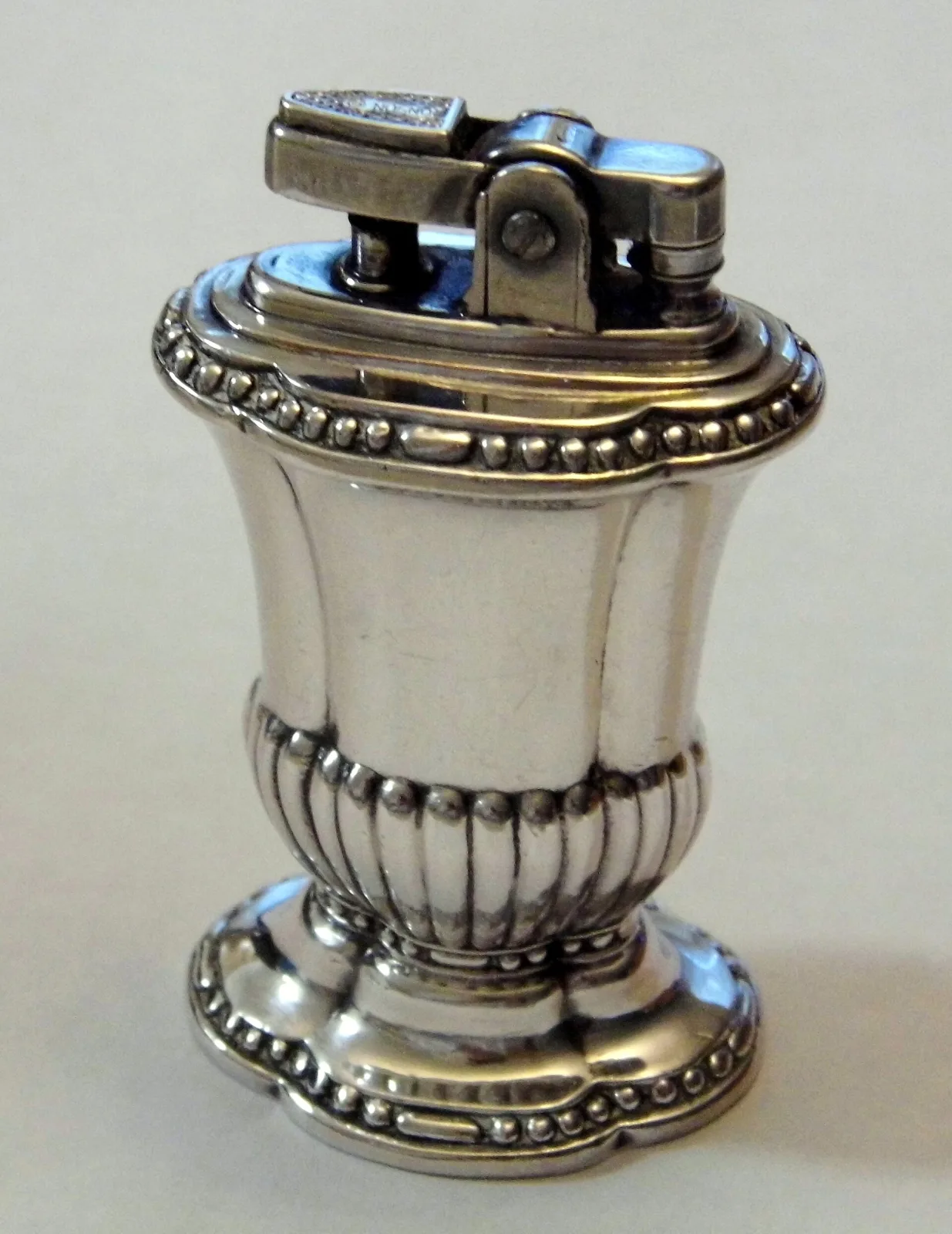
The most valuable lighters are solid gold or sterling silver, hallmarked and often by a luxury house. Below them sit silver-plated and gold-plated (rolled gold) lighters — attractive but far less valuable, and prone to wear-through that reveals the base metal beneath. Always check for hallmarks and for tell-tale plating loss at high-wear points before assuming precious metal; the difference in value is large.
Chrome, Brass, and Enamel
The vast middle of the market is chrome-plated brass or steel, the standard of Zippo, Ronson, and countless others. Many carry decorative enamel (champlevé or painted), engine-turning (guilloché), or engraved designs, and the quality and condition of that decoration strongly affects desirability. Hand-painted "town and country" enamels, fine guilloché, and crisp engraving all add value; worn or amateur decoration detracts.
Pot-Metal, Lucite, and Later Materials
Cheap novelty and advertising lighters were often cast in pot-metal (zinc alloy), which pits and fatigues; later lighters used Lucite/acrylic (as in the Scripto Vu-Lighter's tank) and, eventually, plastics for disposables. Identifying the material helps place a lighter in the market: a heavy hallmarked silver piece and a light pitted pot-metal novelty belong to entirely different value tiers even if their mechanisms are similar.
Dating a Lighter
Dating a lighter is a matter of triangulating several clues, since only Zippo (and a few others) offers an explicit year code. Taken together, the following usually place a lighter within a decade or better.
Mechanism and Fuel Type
The mechanism brackets the era: a manual strike-wick petrol lighter suggests the 1910s onward; a true automatic points to the late 1920s and after; a butane or piezo mechanism indicates the 1950s–70s or later. Fuel type follows the same arc — naphtha and petrol early, butane late. Establishing the mechanical family is the first and broadest dating step.
Marks, Codes, and Country Stamps
A Zippo bottom code, a patent number, a model name, a hallmark date letter, or a country-of-origin stamp ("Occupied Japan," "Made in Austria," "Made in England") each narrows the window, sometimes to a single year. Where a lighter carries several of these, they should agree; a conflict is a sign of a replaced part or a marriage. Matching the marks to published maker timelines is the most precise dating method available.
Style and Construction
Design idiom supports the reading: bold Machine-Age geometry and enamel point to the 1920s–30s; heavier chrome and combination pieces to the 1940s–50s; sleeker butane forms to the 1960s–70s. Construction details — hinge style, insert design, wheel and cap form, and the quality of plating — shifted over time and, read alongside the marks, guard against both over- and under-dating.
Condition and Whether It Must Work
Condition governs value sharply, but lighters raise a question peculiar to the field: does a collectible lighter need to light? The answer depends on the type and the collector, and understanding it prevents both overpaying and needless "restoration."
Does It Need to Work?
For a serviceable lighter like a Zippo — whose insert, flint, and wick are cheap consumables designed to be replaced — whether it currently lights matters little to value; the finish and design matter far more, and a non-lighting example is trivially revived. For a complex or precious lighter — an intricate automatic, a lift-arm, a fine silver piece — original working order is more meaningful, because repairs are costly and replacement parts scarce, and a working mechanism confirms completeness. In all cases, describe function honestly rather than assuming it.
Finish, Plating, and Decoration
The finish is usually the biggest condition variable. Bright, unworn chrome or intact plating, crisp enamel, sharp guilloché, and legible engraving are strong positives; plating worn through to brass, chipped enamel, dents, pitting (especially on pot-metal), and heavy monogram wear all detract. Because over-polishing can soften engraving and thin plating, honest original surface is preferred to a buffed one.
Completeness and Originality
Completeness matters: the correct original insert or fuel unit, the right flint wheel and cap, an intact wind-guard, and — for higher-grade lighters — the original box, papers, and pouch all add value. A replaced insert, a wrong cap, or a mismatched part reduces originality. As with any small collectible, an unmolested, complete, correctly marked example is worth more than a tidied-up composite.
Value Factors and Price Ranges
Lighter values span an enormous range, from pocket change to serious sums, and the same basic object can be trivial or genuinely desirable depending on maker, material, rarity, and condition. The variables below explain most of the spread.
What Drives Value
Maker and material come first: a hallmarked gold or silver Dunhill, Cartier, or Tiffany lighter sits at the top, while an unmarked chrome or pot-metal lighter sits at the bottom. Rarity is decisive within a maker — an early or unusual Zippo, a scarce Ronson model, or a rare figural far outruns a common one. Condition and originality then modulate the figure: bright finish, crisp decoration, correct parts, and original box and papers all lift value, while wear, damage, and replaced parts lower it. Design desirability — a sought-after enamel, a famous model, an appealing novelty — can matter as much as intrinsic material.
Indicative Ranges
As broad orientation rather than a price list: common chrome and advertising lighters in worn condition are inexpensive and plentiful. Clean, desirable mid-century pieces from major makers — a good-design Zippo, a nice Ronson or Evans, a boxed example — occupy a comfortable middle. Fine precious-metal lighters from luxury houses, rare early models, and exceptional figurals reach the upper end and can command substantial sums. Because condition, rarity, and material swing these figures so widely, treat any single number with caution and always compare like with like.
Documenting for Insurance or Sale
Photograph the lighter as a whole and each key element separately: the base stamp and every mark, the hallmark, the mechanism open, the decoration, and any damage. Record the maker (if determined), the model, the mechanism, the material, the marks, and whether it functions. The disciplined method in our valuation and appraisal guide applies directly, and thorough documentation both supports value and helps a future buyer or appraiser confirm your attribution.
Reproductions, Marriages, and Fakes
Lighters are affected by outright fakery of famous brands, by married inserts and parts, and by later "improvements," so a skeptical eye protects the buyer. Knowing what is faked and how prevents paying luxury prices for something less.
Faked Luxury Brands
Because Dunhill, Cartier, and other luxury names carry large premiums, counterfeits exist — some contemporary, some older. Warning signs include incorrect or crude marks, wrong fonts and logos, hallmarks that do not match the claimed house or period, mechanisms that differ from documented originals, and materials (plated where solid is expected) inconsistent with the mark. Any high-value attribution should be corroborated against reference examples before money changes hands.
Married Inserts and Replaced Parts
Especially with Zippos, a married lighter — an insert of one date in a case of another, or a replaced hinge, cap, or wheel — is common, since inserts are consumable and interchangeable. This is not fraud in itself (Zippo's own guarantee replaced inserts), but for a collector the value lies in a matched, correct, original example, so mismatches should be identified and disclosed. Check that insert and case, and all parts, agree in age and style.
Reproductions and Honest Description
Modern reproductions of popular vintage designs, restruck or re-enameled cases, and "franken-lighters" assembled from parts all circulate. New plating, modern fasteners, incorrect construction, and finishes lacking genuine age betray them. None of this makes such a lighter worthless as an object, but it should be described and priced honestly. When the stakes are high, corroborate maker, model, date, and originality against documented references, examine every mark and mechanism for genuine age, and use the pattern-recognition of the Antique Identifier app to help confirm what you are looking at before you buy or sell.
Care, Fuel, and Handling
Sensible care preserves both the value and the safety of a lighter, and a few habits specific to fueled objects are worth observing.
Fuel and Storage
Store collectible lighters empty of fuel for long-term keeping: petrol (naphtha) evaporates and can leave residue and odor, and any fuel is a fire and leak risk in storage. If you fill a serviceable lighter to demonstrate it, use the correct fuel (naphtha for wick lighters, butane for gas lighters) and only a small amount. Never attempt to fill or fire a fragile precious-metal or antique mechanism casually; treat it as a collectible object rather than a working tool.
Cleaning and Preservation
Clean gently. Avoid harsh polishing, which thins plating and softens engraving and hallmarks; a light, appropriate cleaning is safer than an aggressive one. Keep enamel and painted decoration away from abrasives. Handle silver and gold pieces with clean hands to avoid tarnish and wear, and keep lighters away from damp, which pits pot-metal and corrodes steel parts. The general principles in our storage, care, and preservation guide apply directly.
Servicing Working Lighters
For lighters you wish to keep in working order, replace only the consumables — flint and wick — with correct parts, and leave complex mechanical repair to a specialist. Over-enthusiastic "restoration," such as re-plating, re-enameling, or swapping parts, generally reduces originality and value even when it improves appearance. When in doubt, conserve rather than restore.
Quick Identification Checklist
When you first pick up an unfamiliar lighter, work through these questions in order. Together they will place almost any collectible lighter by maker, rough date, and value tier.
What Mechanism and Form?
Identify the mechanism — manual strike-wheel, automatic, semi-automatic, lift-arm, or butane/piezo — and the body form: pocket flip-top, table, figural, or combination. This classifies the lighter and gives the broadest date bracket at a glance.
What Marks Are on It?
Search the base, the inside of the case, and the insert for a maker's name, a model name, a patent number, a hallmark, and a country-of-origin stamp. A single clear mark — "ZIPPO" with a date code, "DUNHILL" with a hallmark, "MADE IN OCCUPIED JAPAN" — often settles attribution and dating together.
What Material and Finish?
Determine the material — solid gold or silver (hallmarked), plated, chrome/brass, or pot-metal — and assess the finish and any enamel, guilloché, or engraving. Material and decoration together place the lighter in a value tier and flag whether it is a precious piece or a common one.
Is It Original and Complete?
Check that the parts agree in age and style (especially insert and case on a Zippo), that the marks are consistent, and that decoration and plating are honest rather than re-done. Note whether it functions, and whether box, papers, or pouch survive. Determining originality and completeness is decisive for value.
Overall Judgement
Weigh the clues together. A hallmarked silver Dunhill with a matching mechanism and original box is a very different object from a pitted pot-metal advertising novelty — even if both sit in the same junk-drawer lot. Match what you see to documented references before assigning a value, determine maker, material, and originality first, and when a lighter is potentially valuable, confirm the attribution rather than trusting a lone name or a shiny finish.