Antique Desk Accessories & Writing Implements Identification Guide: Letter Openers, Seals, Blotters & More
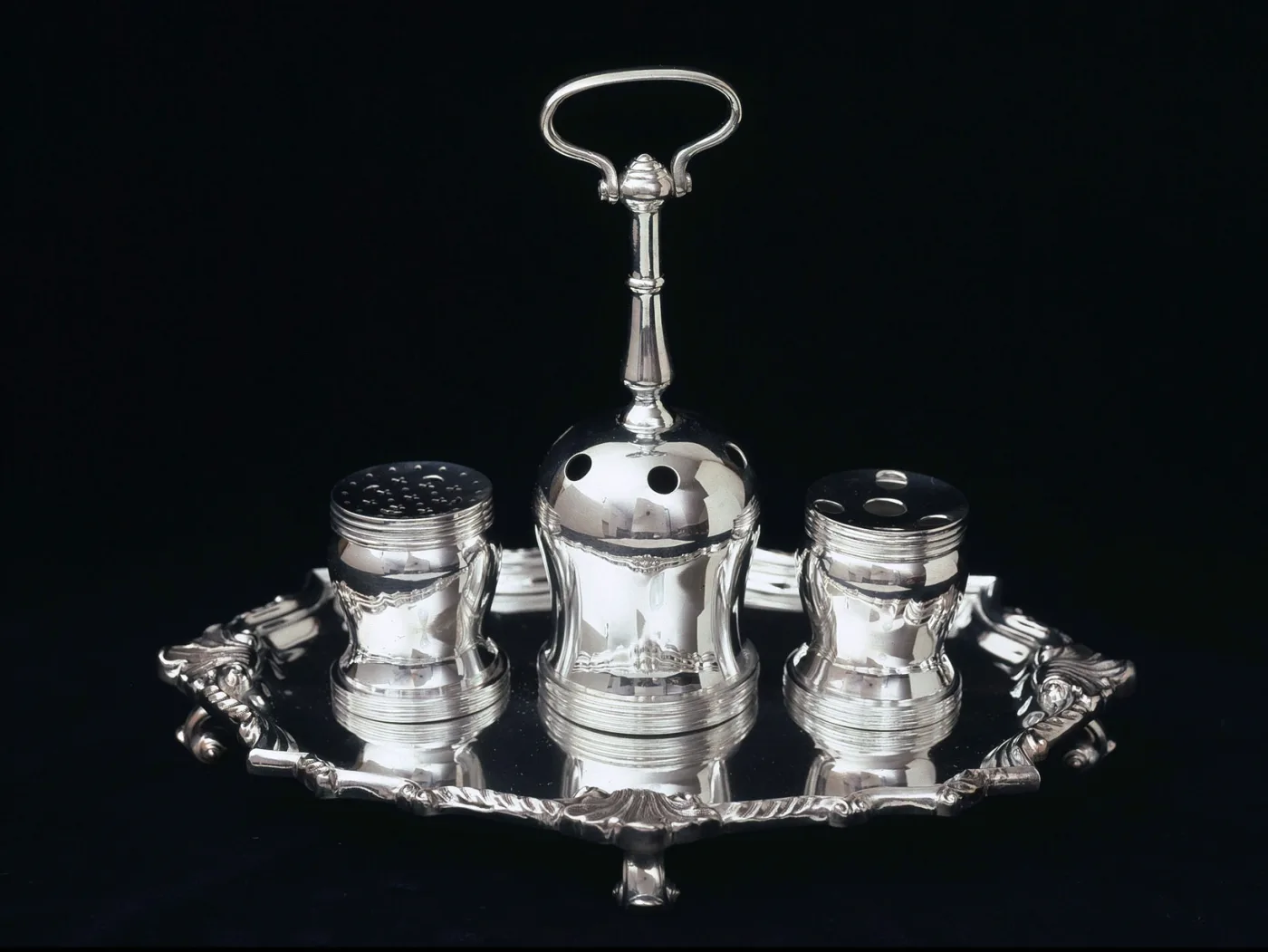
The elegant writing desk of the past was a carefully curated workspace, adorned with an array of functional and decorative accessories that reflected the owner's status, taste, and the importance of written communication. From the graceful sweep of a silver letter opener to the intricate design of a wax seal, from the practical blotter that prevented ink smudges to the organized letter rack that kept correspondence in order, each desk accessory served both practical and aesthetic purposes. These items, often overlooked in favor of more prominent antiques, represent a fascinating category of collectibles that offer insights into historical communication practices, social customs, and decorative arts. This comprehensive guide will teach you everything you need to know about identifying antique desk accessories and writing implements, from understanding different types and materials to recognizing maker marks, dating techniques, and determining their historical significance and value. Whether you're examining a Victorian silver letter opener, an Art Deco desk blotter, or a Georgian wax seal, modern tools like the Antique Identifier app can provide instant AI-powered identification assistance, but mastering the fundamentals of these accessories remains essential for any serious collector or enthusiast. Collectors of writing antiques also seek antique writing slopes and lap desks.
Table of Contents
- Historical Context: The Evolution of Desk Accessories
- Letter Openers: Types, Materials & Identification
- Wax Seals and Seal Rings: Authentication & Dating
- Blotters and Blotting Paper Holders
- Pen Holders, Pen Trays, and Pen Stands
- Letter Racks and Document Holders
- Desk Organizers and Writing Sets
- Paper Cutters, Trimmers, and Letter Openers
- Desk Bookends and Paperweights
- Understanding Materials and Construction
- Maker Marks, Hallmarks, and Identification
- Dating Techniques and Period Identification
- Decorative Styles and Artistic Movements
- Condition Assessment and Value Factors
- Authentication and Detecting Reproductions
- Collecting Tips and Care Guidelines
Historical Context: The Evolution of Desk Accessories
Understanding the historical development of desk accessories provides essential context for accurate identification and dating. These items evolved alongside changes in writing technology, social customs, and office practices.
18th Century: The Age of Elegance
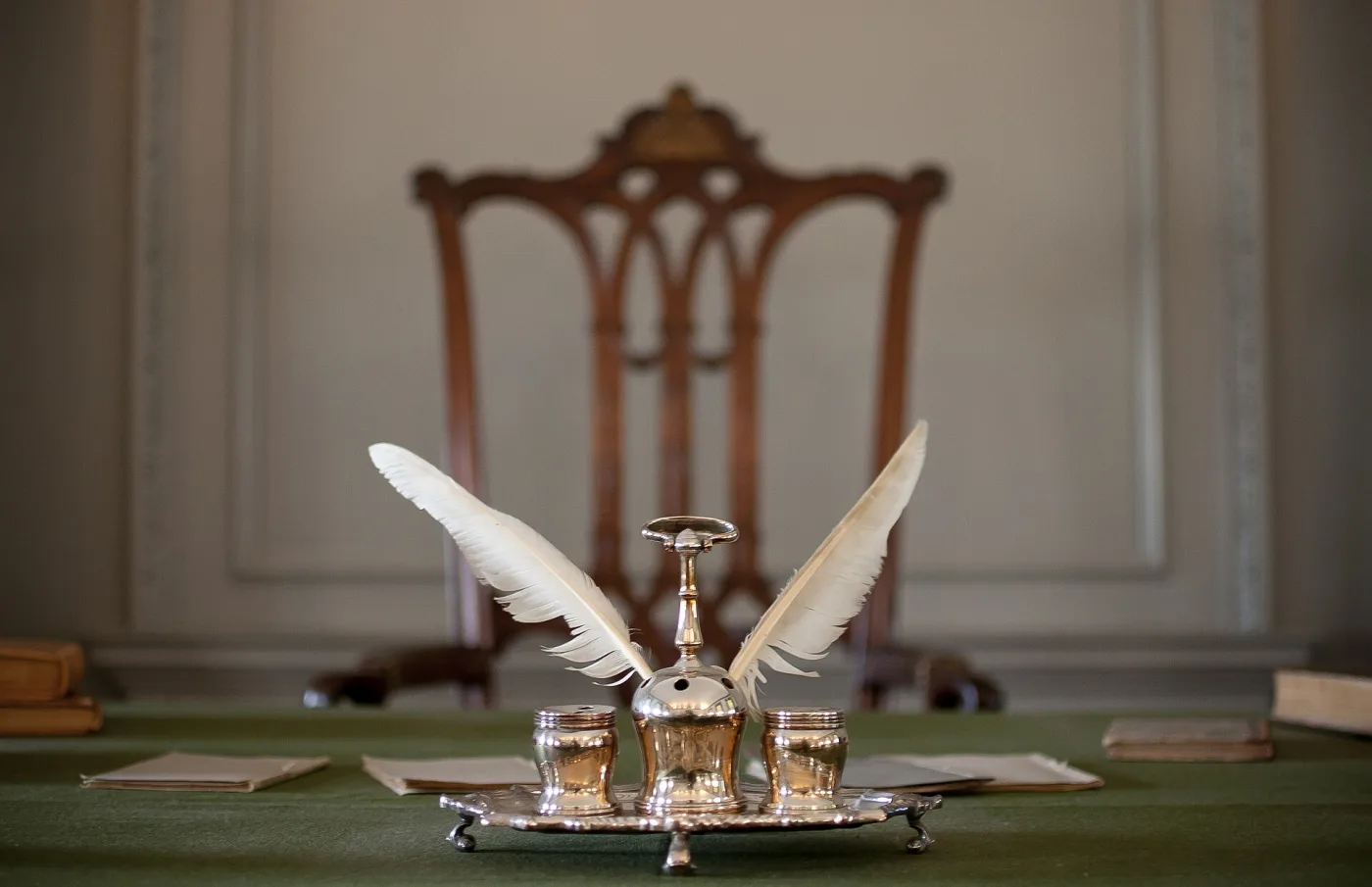
The 18th century established the foundation for desk accessories as status symbols:
- Georgian Period (1714-1837): Simple, elegant designs in silver and brass; classical motifs; emphasis on quality craftsmanship
- Writing Sets: Complete standish sets including inkwells, pounce pots, quill holders, and seals
- Letter Sealing: Wax seals essential for securing correspondence; elaborate seal rings and fobs
- Desk Organization: Letter racks and document holders for organizing correspondence
- Material Sophistication: Silver, brass, and fine woods for wealthy owners; pewter and simple materials for common use
19th Century: Industrialization and Mass Production
The 19th century brought both artistic refinement and industrial production:
- Victorian Era (1837-1901): Elaborate decoration; naturalistic motifs; increased variety of materials
- Letter Openers: Became common desk accessories; decorative and functional designs
- Blotting Paper: Introduction of blotting paper revolutionized writing; blotter holders became essential
- Office Expansion: Growing business sector created demand for practical desk accessories
- Advertising Items: Promotional desk accessories distributed by businesses
- Artistic Movements: Arts & Crafts and Art Nouveau influences in decorative styles
- Mass Production: Machine-made accessories became affordable for middle-class offices
Early 20th Century: Modernism and Function
The early 20th century saw new design philosophies:
- Art Deco (1920-1940): Geometric designs; streamlined forms; modern materials
- Bakelite and Plastics: New materials introduced; colorful, affordable accessories
- Functionalism: Emphasis on efficiency and organization in office design
- Fountain Pen Era: Desk accessories adapted for fountain pen use
- Modernist Aesthetics: Clean lines, minimal decoration, focus on form
Cultural Significance
Desk accessories held important cultural meanings:
- Status Symbols: Elaborate accessories displayed wealth, education, and social position
- Professional Identity: Essential tools for clerks, writers, lawyers, and business professionals
- Communication Tools: Facilitated the formal practice of correspondence and record-keeping
- Personal Expression: Reflected individual taste and aesthetic preferences
- Ritual Objects: Part of formal writing rituals and business practices
Letter Openers: Types, Materials & Identification
Letter openers are among the most common and collectible desk accessories. Understanding their evolution and variations is essential for identification.
Types of Letter Openers
Letter openers can be categorized by design and function:
- Blade Openers: Traditional knife-like design with pointed or rounded blade; most common type
- Paper Knife Style: Flat, wide blade; designed to slide under envelope flaps
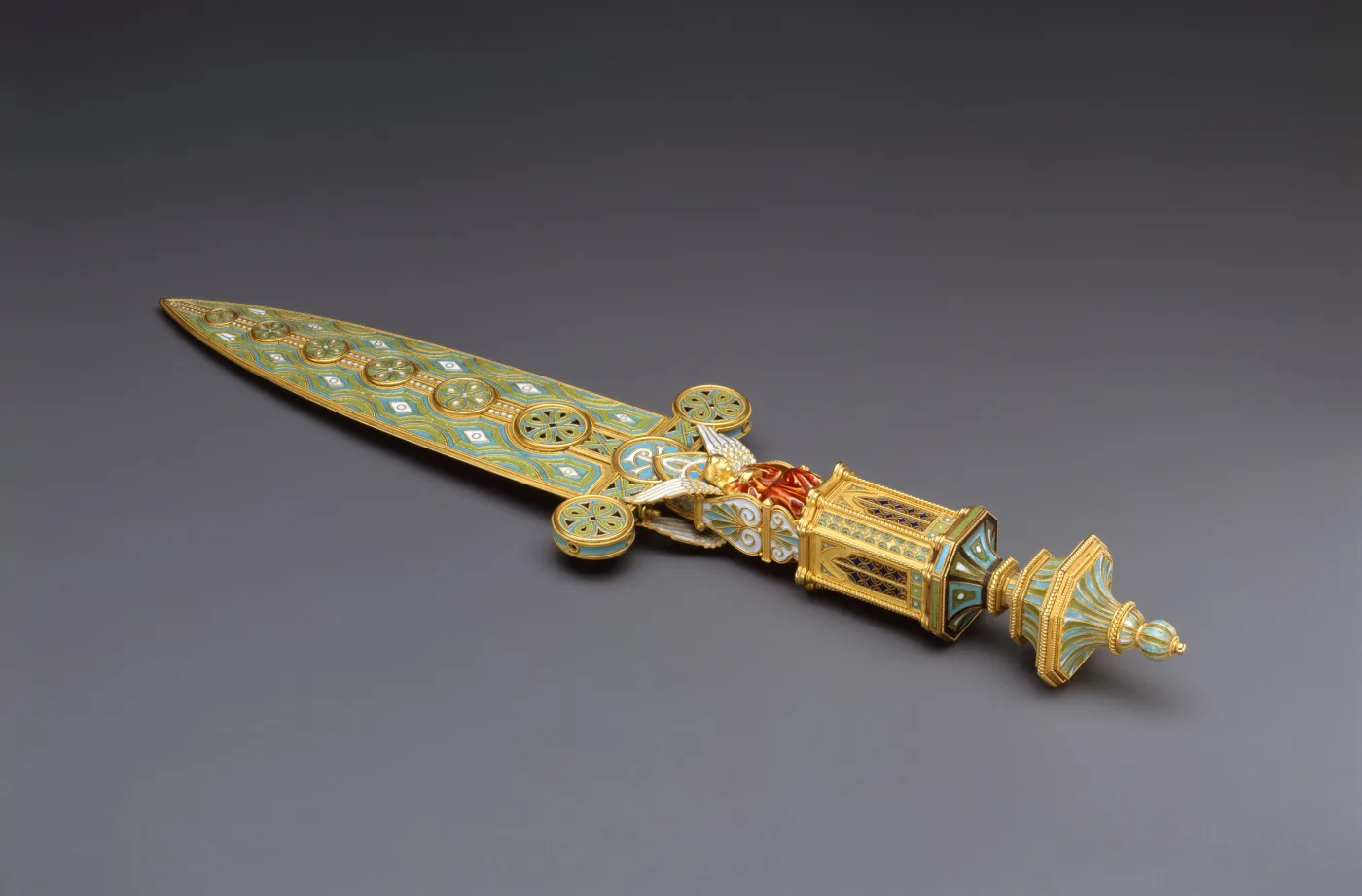
- Decorative Handles: Elaborate handles in various materials; often figural or ornamental
- Combination Tools: Letter openers combined with other functions (paper cutter, ruler, etc.)
- Advertising Items: Promotional letter openers with company names or logos
- Novelty Designs: Figural shapes, animals, or decorative motifs
Materials Used in Letter Openers
Letter openers were made from diverse materials:
- Silver: Sterling or coin silver; hallmarked; highest quality; Victorian and Edwardian periods
- Brass: Golden color; may show verdigris; common for utilitarian and decorative examples
- Bronze: Darker than brass; durable; quality examples
- Ivory: Natural or synthetic; carved handles; now regulated; shows grain patterns
- Bone: Similar to ivory but less valuable; porous structure
- Wood: Various hardwoods; carved or turned handles; decorative examples
- Bakelite: Early plastic; 1920s-1940s; distinctive appearance and colors
- Celluloid: Early plastic; imitates ivory; 1880s-1930s
- Steel: Blade material; may be plated or decorated
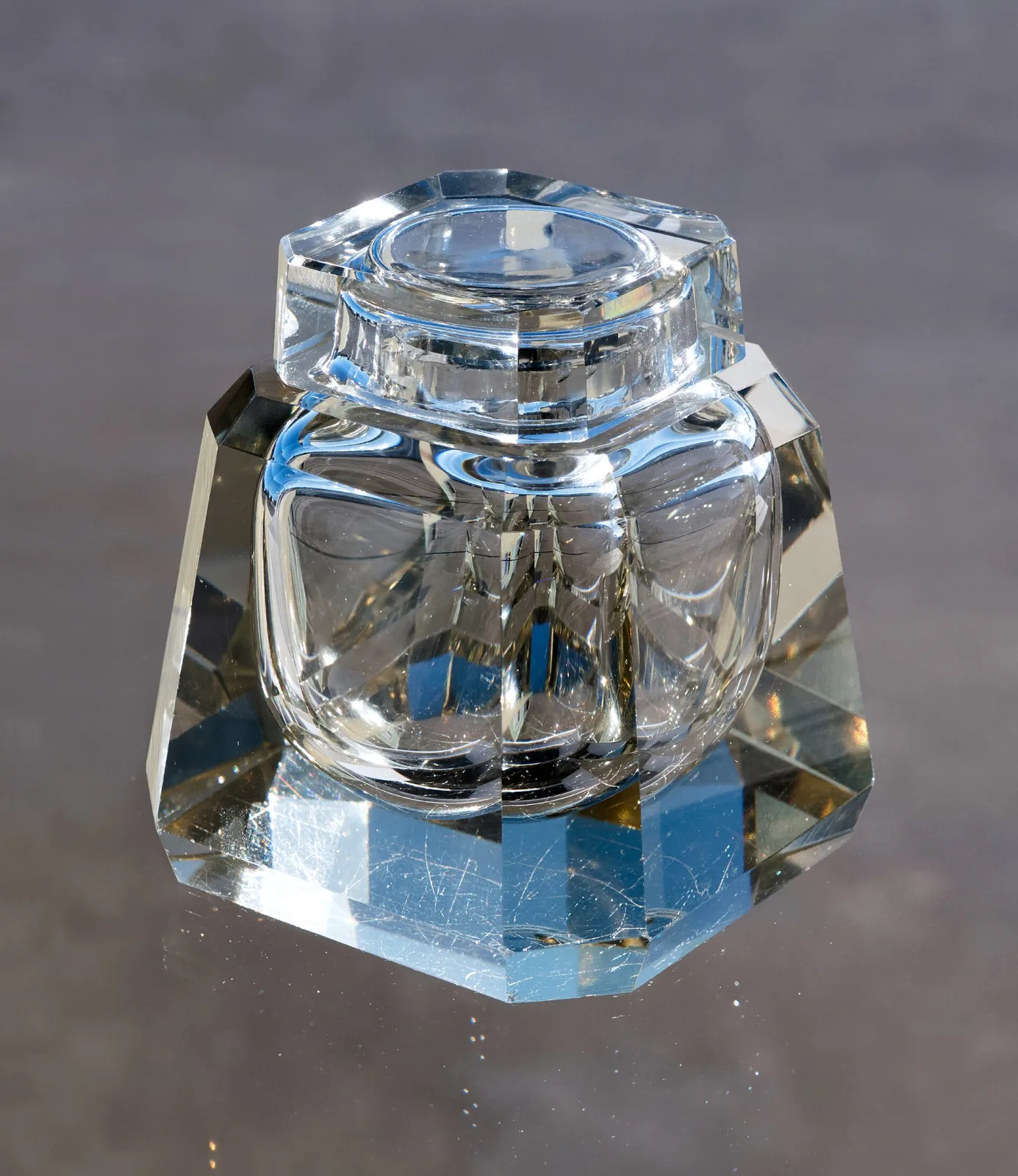
- Glass: Decorative examples; Art Deco period
Dating Letter Openers
Key characteristics for dating letter openers:
- 18th Century: Simple designs; silver or brass; minimal decoration
- Early 19th Century: Classical motifs; elegant proportions; quality materials
- Victorian (1837-1901): Elaborate decoration; naturalistic motifs; variety of materials
- Art Nouveau (1890-1910): Flowing organic lines; nature themes; stylized decoration
- Art Deco (1920-1940): Geometric patterns; streamlined shapes; modern materials
- Mid-20th Century: Functional designs; plastics common; advertising items
Maker Identification
Many letter openers bear maker marks:
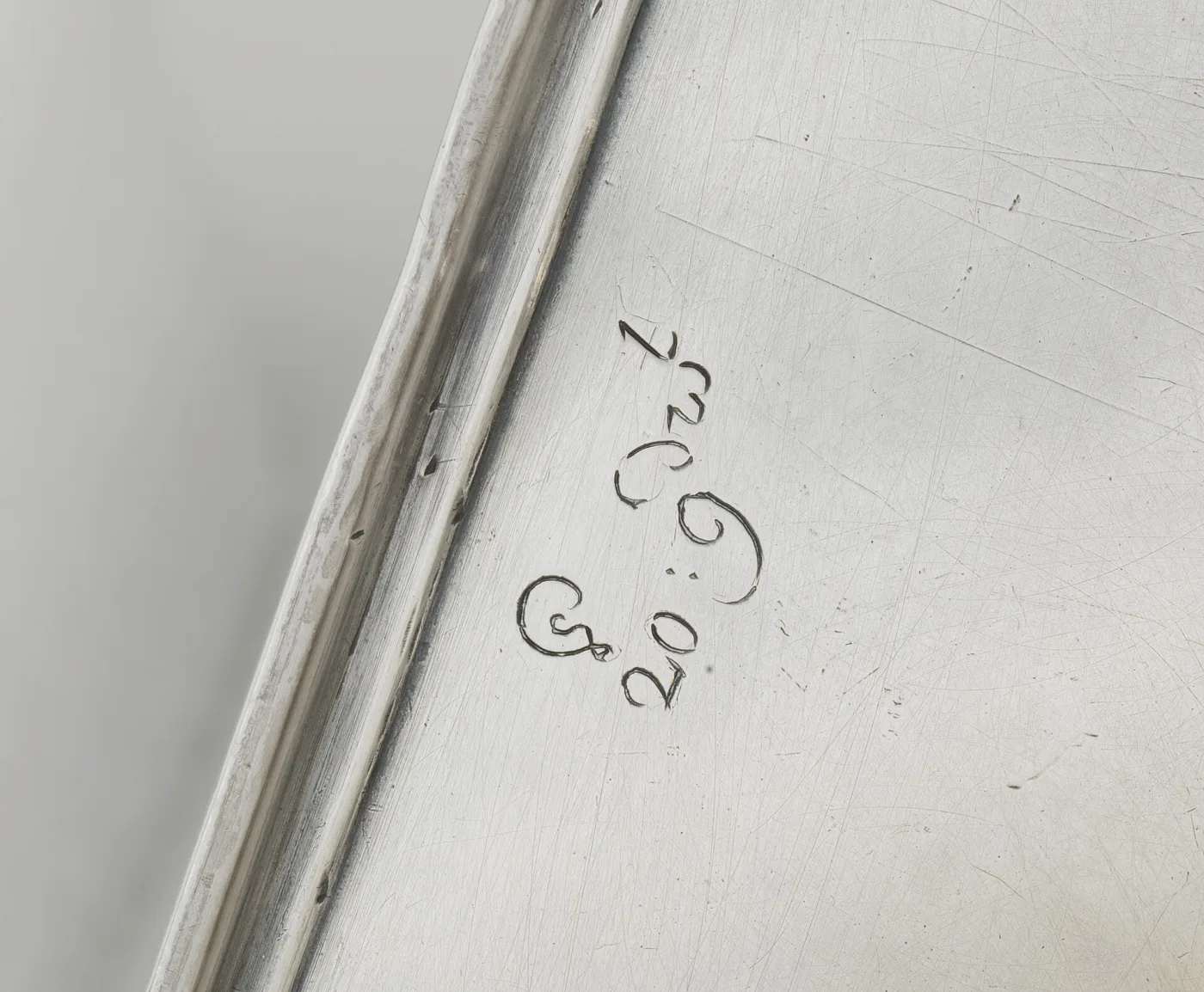
- Silver Marks: Hallmarks on silver examples; date letters and maker marks
- Manufacturer Names: Stamped or engraved company names
- Pattern Names: Glass or metal pattern names
- Patent Marks: Patent dates useful for dating
Wax Seals and Seal Rings: Authentication & Dating
Wax seals were essential for securing correspondence before modern envelopes. Understanding seal types and materials is crucial for identification.
Types of Seals
Seals come in various forms:
- Seal Rings: Rings with seal matrix on bezel; worn on finger; portable
- Fob Seals: Seals attached to watch chains or fobs; decorative and functional
- Desk Seals: Larger seals with handles; designed for desk use
- Signet Rings: Rings with engraved designs; used for sealing and identification
- Seal Matrices: The actual seal die; may be separate from handle
Seal Materials
Seals were made from various materials:
- Gold: Precious metal; highest quality; hallmarked; often signet rings
- Silver: Sterling or coin silver; hallmarked; common for quality examples
- Brass: Economical material; common for utilitarian seals
- Steel: Hard material for seal matrices; durable
- Ivory: Carved handles; now regulated; shows grain patterns
- Bone: Similar to ivory; less valuable
- Hardstone: Agate, carnelian, jasper; carved seal matrices
- Glass: Paste imitations of gemstones; decorative
Seal Designs
Seal designs varied by period and purpose:
- Heraldic: Family coats of arms; crests and shields
- Monograms: Initials or letters; personal identification
- Symbolic: Animals, flowers, or symbolic motifs
- Geometric: Patterns and abstract designs
- Figural: Figures, portraits, or scenes
Dating Seals
Characteristics for dating seals:
- 18th Century: Simple designs; quality materials; heraldic motifs common
- 19th Century: Elaborate decoration; variety of styles; monograms popular
- Victorian: Naturalistic motifs; sentimental designs
- Art Nouveau: Flowing lines; nature themes
- Art Deco: Geometric patterns; modern aesthetics
Authentication
Key factors for authenticating seals:
- Hallmarks: Proper hallmarks on precious metals
- Wear Patterns: Appropriate wear on seal matrix
- Material Consistency: Appropriate materials for claimed period
- Design Style: Period-appropriate motifs and techniques
- Provenance: Documented history adds value
Blotters and Blotting Paper Holders
Blotters were essential for preventing ink smudges. Understanding their evolution helps with identification and dating.
Types of Blotters
Blotters come in various forms:
- Desk Blotters: Large blotters for desk surfaces; often leather-covered
- Blotter Holders: Frames or holders for blotting paper; decorative and functional
- Portable Blotters: Small blotters for travel; compact designs
- Combination Sets: Blotters combined with other desk accessories
- Advertising Blotters: Promotional items with company information
Blotter Materials
Blotters were made from various materials:
- Leather: Most common covering; tooled, embossed, or plain
- Wood: Frames and bases; various hardwoods
- Metal: Silver, brass, or other metals for frames and decorative elements
- Glass: Glass bases or decorative elements; Art Deco period
- Bakelite: Early plastic; 1920s-1940s
- Fabric: Cloth-covered examples; decorative
Blotter Decoration
Decorative techniques used on blotters:
- Tooled Leather: Embossed or stamped designs; Victorian period
- Gold Tooling: Gold leaf decoration on leather; quality examples
- Inlaid Designs: Wood or metal inlay; decorative
- Engraving: Engraved metal frames or decorative elements
- Monograms: Personal initials; common on quality examples
Dating Blotters
Characteristics for dating blotters:
- 19th Century: Introduction of blotting paper; simple designs
- Victorian: Elaborate decoration; tooled leather; quality materials
- Edwardian: Refined elegance; quality craftsmanship
- Art Deco: Geometric designs; modern materials; streamlined forms
- Mid-20th Century: Functional designs; plastics common
Pen Holders, Pen Trays, and Pen Stands
Pen holders organized writing implements on the desk. Understanding their types and materials aids identification.
Types of Pen Holders
Various designs served different purposes:
- Pen Trays: Flat trays with grooves for pens; simple design
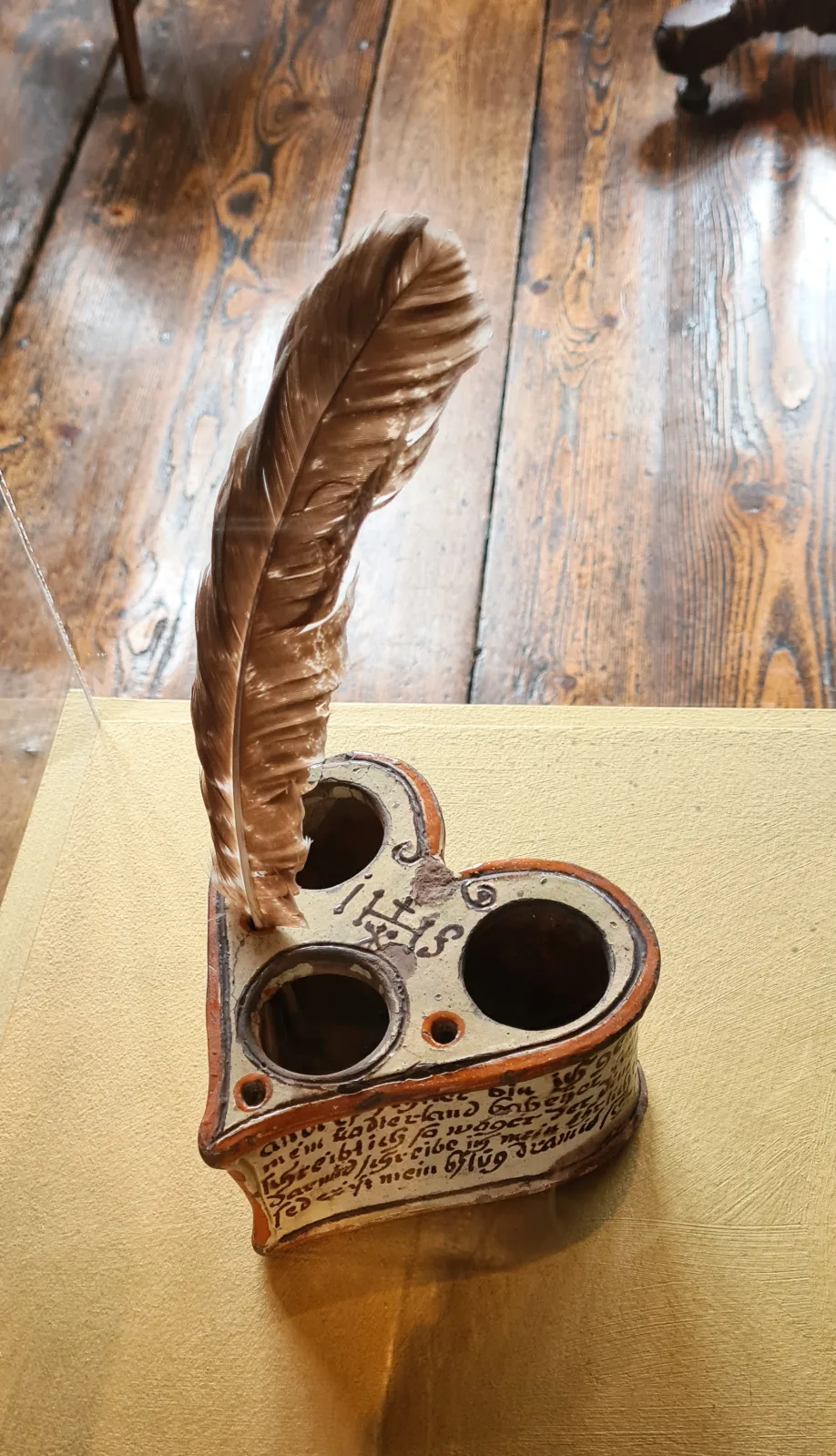
- Pen Stands: Vertical holders; multiple pen slots
- Combination Sets: Pen holders combined with inkwells or other accessories
- Desk Sets: Coordinated pen holders as part of complete writing sets
- Portable Holders: Compact designs for travel
Materials and Construction
Pen holders used various materials:
- Silver: Quality examples; hallmarked; Victorian and Edwardian
- Brass: Common material; may be plated
- Wood: Various hardwoods; carved or turned
- Glass: Decorative examples; Art Deco period
- Bakelite: Early plastic; 1920s-1940s
- Leather: Covered examples; tooled decoration
Dating Pen Holders
Key characteristics for dating:
- 18th-19th Century: Quill holders; simple designs
- Victorian: Elaborate decoration; quality materials
- Fountain Pen Era: Adapted for fountain pens; early 20th century
- Art Deco: Modern designs; geometric patterns
Letter Racks and Document Holders
Letter racks organized correspondence on desks. Understanding their evolution helps with identification.
Types of Letter Racks
Various designs served organizational needs:
- Wall-Mounted Racks: Attached to walls; vertical organization
- Desk Racks: Free-standing; designed for desk surfaces
- Combination Racks: Multiple functions; letter slots and document holders
- Portable Racks: Compact designs for travel
Materials and Construction
Letter racks used various materials:
- Wood: Most common; various hardwoods; carved or turned
- Metal: Brass, steel, or other metals; wire or sheet construction
- Leather: Covered examples; tooled decoration
- Bakelite: Early plastic; 1920s-1940s
Dating Letter Racks
Characteristics for dating:
- 18th-19th Century: Simple designs; wood construction
- Victorian: Elaborate decoration; quality craftsmanship
- Art Deco: Geometric designs; modern materials

Desk Organizers and Writing Sets
Desk organizers combined multiple functions. Understanding their components aids identification.
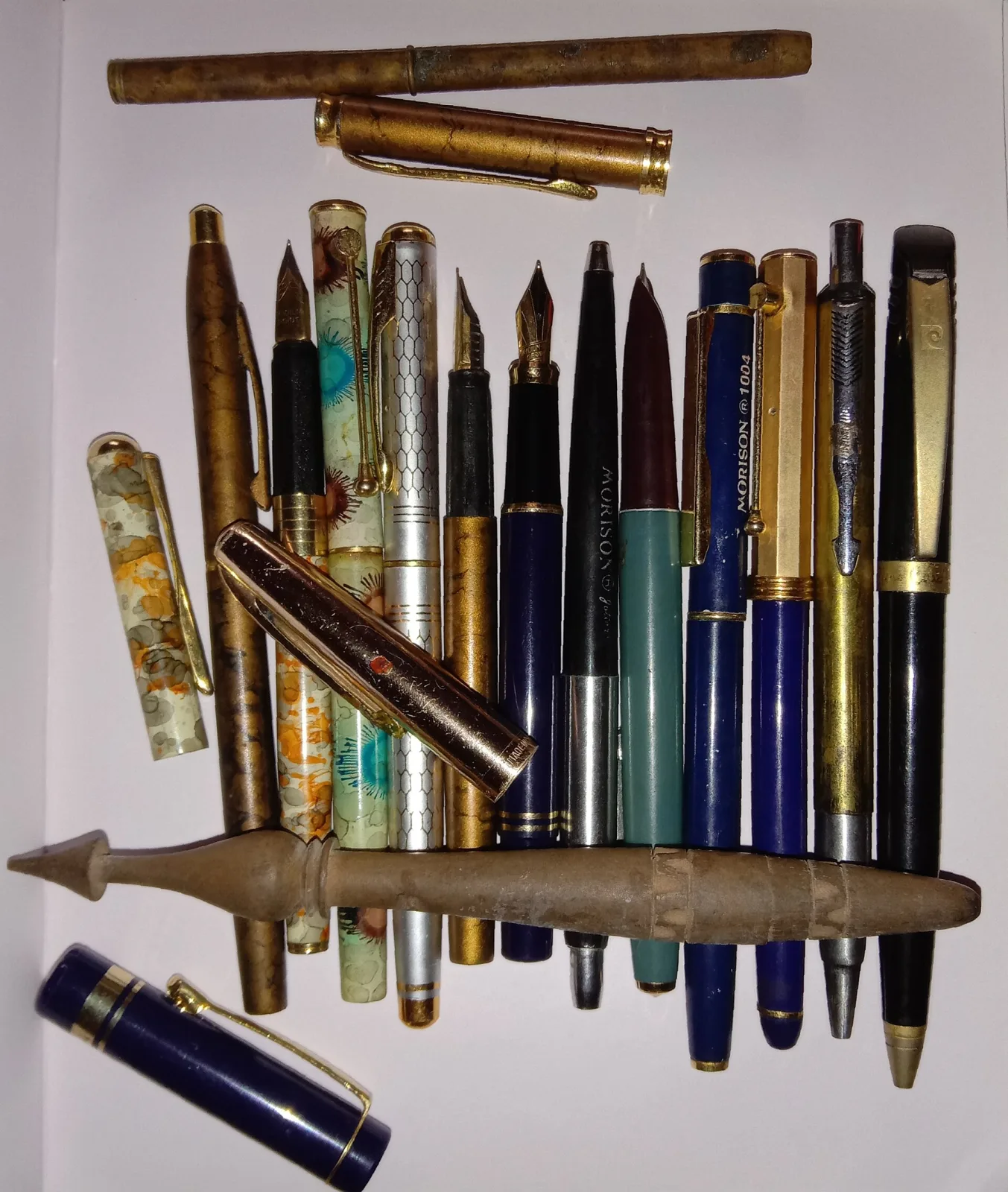
Types of Desk Organizers
Various designs organized desk accessories:
- Writing Sets: Complete sets with multiple accessories
- Desk Trays: Organizing trays for various items
- Combination Sets: Multiple functions in one piece
- Desk Sets: Coordinated accessories; matching design
Components of Writing Sets
Typical components included:
- Inkwells: One or more ink containers
- Pen Holders: Spaces for writing implements
- Blotters: Blotting paper holders
- Seals: Wax seal components
- Letter Openers: Included in some sets
- Paper Trays: Organizing trays
Materials and Dating
Writing sets used quality materials:
- Silver: Highest quality; hallmarked; Victorian and Edwardian
- Brass: Common material; may be plated
- Wood: Various hardwoods; quality craftsmanship
- Leather: Covered examples; tooled decoration
Paper Cutters, Trimmers, and Letter Openers
Paper cutting tools were essential desk accessories. Understanding their types aids identification.
Types of Paper Cutters
Various designs served different purposes:
- Desk Cutters: Small cutters for desk use
- Paper Trimmers: Precision cutting tools
- Combination Tools: Cutters combined with other functions
- Letter Openers: Some doubled as paper cutters
Materials and Construction
Paper cutters used various materials:
- Steel: Blade material; may be decorated
- Brass: Frames and handles
- Wood: Handles and bases
- Bakelite: Early plastic handles
Desk Bookends and Paperweights
Bookends and paperweights served both functional and decorative purposes. Understanding their types aids identification.
Types of Bookends
Various designs organized books:
- Decorative Bookends: Figural or ornamental designs
- Simple Bookends: Functional designs; minimal decoration
- Matching Pairs: Coordinated designs; sold in pairs
- Advertising Items: Promotional bookends
Materials
Bookends used various materials:
- Bronze: Cast examples; quality craftsmanship
- Brass: Common material
- Iron: Heavy examples; may be painted
- Marble: Stone bases; decorative
- Wood: Carved examples
Paperweights
Paperweights served decorative and functional purposes:
- Glass Paperweights: Decorative examples; millefiori or lampwork
- Metal Paperweights: Brass, bronze, or other metals
- Stone Paperweights: Marble or other stones
- Advertising Items: Promotional paperweights
Understanding Materials and Construction
Material identification is fundamental to authentication and dating. Each material has distinctive characteristics.
Precious Metals
Silver and gold were used for quality examples:
- Sterling Silver (925): Standard silver content; hallmarked; quality examples
- Coin Silver (900): American standard; pre-1860s common
- Gold: Various karats; hallmarked; highest quality
- Hallmarks: Essential for authentication; date letters and maker marks
Base Metals
Common metals used in desk accessories:
- Brass: Golden color; may show verdigris; common material
- Bronze: Darker than brass; durable; quality examples
- Pewter: Soft alloy; develops patina; 18th-19th century
- Steel: Hard material; may rust; utilitarian examples
- Nickel Silver: Silver-colored alloy; marked "N.S."
Organic Materials
Natural materials used in desk accessories:
- Ivory: Now regulated; shows grain patterns; quality examples
- Bone: Similar to ivory; less valuable; porous structure
- Wood: Various hardwoods; carved or turned
- Leather: Tooled or plain; common covering material
Early Plastics
Early synthetic materials:
- Bakelite: Early plastic; 1920s-1940s; distinctive appearance
- Celluloid: Early plastic; imitates ivory; 1880s-1930s
- Characteristics: Can be tested; distinctive feel and appearance
Maker Marks, Hallmarks, and Identification
Identifying maker marks and hallmarks is crucial for authentication and dating.
British Hallmarks
British silver should bear standard hallmarks:
- Standard Mark: Lion passant (England), thistle (Scotland), or Hibernia (Ireland)
- Assay Office Mark: Anchor (Birmingham), leopard's head (London), rose (Sheffield), castle (Edinburgh)
- Date Letter: Letter in shield indicates year; varies by assay office
- Maker's Mark: Initials or symbol of silversmith
- Duty Mark: Sovereign's head (1784-1890)
American Marks
American silver marks:
- "Sterling": Word mark indicating 925 silver; after 1860s
- "Coin": Indicates coin silver (900 fine); pre-1860s
- Maker's Names: Often spelled out (e.g., "Tiffany & Co." "Gorham")
- Initials: Maker's initials stamped
- Patent Marks: "Pat." followed by date; useful for dating
Other Marks
Additional identification marks:
- Pattern Names: Glass or metal pattern names
- Factory Marks: Stamped or etched marks
- Paper Labels: Often removed but may leave residue
Dating Techniques and Period Identification
Accurate dating requires examining multiple characteristics in combination.
Dating by Style
Period styles provide dating clues:
- Georgian (1714-1837): Simple, elegant designs; classical motifs
- Victorian Early (1837-1860): Romantic motifs; Gothic revival
- Victorian High (1860-1880): Elaborate decoration; naturalistic designs
- Victorian Late (1880-1901): Aesthetic movement; Japanese motifs
- Edwardian (1901-1910): Light, delicate designs; refined elegance
- Art Nouveau (1890-1910): Flowing organic lines; nature themes
- Art Deco (1920-1940): Geometric patterns; streamlined shapes
Dating by Construction
Construction methods indicate age:
- Hand-Crafted: Pre-1850; individual craftsmanship
- Machine-Made: Post-1850; uniform construction
- Mass Production: Late 19th century; standardized designs
Dating by Marks
Marks provide dating information:
- British Date Letters: Cycle every 20-25 years
- Duty Marks: British sovereign heads 1784-1890
- Patent Dates: American items often marked with patent dates
- Maker's Active Dates: Research when specific makers operated
Dating by Materials
Materials indicate time periods:
- Early Materials: Pewter, brass, wood common in 18th century
- Glass Proliferation: Glass becomes common 19th century
- Electroplating: Introduced mid-19th century
- Bakelite: Early 20th century plastic
- Modern Materials: Mid-20th century plastics
Decorative Styles and Artistic Movements
Decoration techniques and motifs help date and attribute desk accessories.
Metal Decoration Techniques
Various techniques were used:
- Engraving: Lines cut into metal; hand or machine
- Chasing: Pushing metal from front; creates relief
- Repoussé: Pushing metal from behind; raised designs
- Bright Cutting: Faceted cuts; late 18th-early 19th century
- Embossing: Raised patterns pressed into metal
Common Decorative Motifs
Period-appropriate motifs:
- Floral: Roses, forget-me-nots, leaves; varies by period
- Geometric: Greek key, rope twist, beading; neoclassical
- Architectural: Columns, arches; classical references
- Nature: Birds, butterflies, animals; Victorian
- Abstract: Art Deco geometric patterns
- Figural: Animals, figures as decorative elements
Leather Decoration
Leather decoration techniques:
- Tooling: Embossed or stamped designs
- Gold Tooling: Gold leaf decoration
- Monograms: Personal initials
Condition Assessment and Value Factors
Condition significantly impacts value. Understanding wear patterns and damage types is essential.
Condition Categories
Standard condition grades:
- Mint/Unused: No wear; original finish; full marks visible; rare
- Excellent: Minimal wear; marks clear; decoration intact
- Very Good: Light wear; marks legible; decoration largely intact
- Good: Moderate wear; some mark wear; minor damage
- Fair: Heavy wear; marks partially visible; decoration worn
- Poor: Significant damage; missing parts; primarily for study
Common Condition Issues
Typical problems encountered:
- Corrosion: Rust, verdigris, tarnish
- Dents and Dings: Deformation in metal components
- Missing Parts: Lost components; significantly reduces value
- Repairs: Soldered repairs; replaced parts
- Wear to Decoration: Engraved or applied decoration worn away
- Leather Deterioration: Cracking, fading, or damage
Value Factors
Key factors affecting value:
- Material: Silver more valuable than brass or wood
- Maker: Known makers command premiums
- Age: Genuine antiques more valuable than modern
- Rarity: Unusual materials, forms, or decorations
- Completeness: All parts present
- Condition: Better condition typically means higher value
- Provenance: Documented history adds value
- Decorative Appeal: Beautiful design attracts collectors
Authentication and Detecting Reproductions
The desk accessories market includes reproductions. Knowing how to authenticate is essential.
Signs of Authenticity
Indicators of genuine antiques:
- Appropriate Wear: Consistent with age and use; genuine patina
- Period-Correct Construction: Methods match claimed date
- Correct Marks: Hallmarks appropriate for date and origin
- Material Consistency: Appropriate materials for claimed period
- Decoration Style: Motifs consistent with period
- Proportions: Period-appropriate sizes and shapes
Red Flags for Reproductions
Warning signs of fakes:
- Too Perfect: Lack of any wear on supposedly old items
- Wrong Patina: Artificially applied aging; inconsistent oxidation
- Incorrect Marks: Modern mark styles on "antique" pieces
- Modern Materials: Contemporary alloys or finishes
- Anachronistic Elements: Designs not available in claimed period
- Poor Quality: Crude execution of supposedly fine examples
Common Reproductions
Types of fakes encountered:
- Modern Copies: New items made to look old
- Antique-Style: New items with period styling
- Altered Pieces: Modern items modified to appear older
- Composite Pieces: Parts from different items combined
- Fake Marks: Modern items with added hallmarks
Authentication Resources
Helpful resources for authentication:
- Reference Books: Specialized collecting guides
- Collector Organizations: Writing instrument collector groups
- Hallmark References: Official hallmark guides
- Expert Consultation: Professional appraisers
- Comparative Analysis: Compare with known authentic examples
Collecting Tips and Care Guidelines
Building a meaningful collection requires strategy and knowledge.
Starting a Collection
Guidelines for new collectors:
- Focus: Consider specializing by period, material, maker, or type
- Budget: Set realistic expectations; quality over quantity
- Education: Learn before buying; read, attend shows, join groups
- Documentation: Keep records of purchases, provenance, research
- Storage: Proper storage protects investment; avoid humidity
Buying Strategies
Tips for successful purchases:
- Reputable Sources: Buy from established dealers, auctions, collectors
- Examination: Always examine in person when possible
- Questions: Ask about provenance, condition issues, returns
- Comparison: Know current market values
- Patience: Wait for the right piece rather than settling
Care and Conservation
Proper care guidelines:
- Cleaning: Gentle methods appropriate to material
- Silver Care: Use proper silver polish; avoid over-polishing
- Leather Care: Condition leather to prevent cracking
- Display: Protect from direct sunlight; stable temperature and humidity
- Handling: Support items properly; avoid touching surfaces
- Storage: Store properly; separate fragile pieces
Market Considerations
Understanding the market:
- Trends: Certain categories more popular at different times
- Regional Interest: British items popular in UK, American in US
- Quality Premium: Fine examples command higher prices
- Investment: Focus on quality, rarity, and condition
Using Digital Tools for Identification
Modern technology can assist with identification:
- Antique Identifier App: AI-powered identification from photographs
- Online Databases: Reference collections and auction archives
- Magnification Tools: Digital microscopes for examining marks
- Comparison Tools: Side-by-side comparison with known examples
While digital tools are helpful, they complement rather than replace traditional knowledge and expert consultation.
Conclusion
Antique desk accessories and writing implements represent a fascinating intersection of functionality and artistry, offering collectors windows into historical communication practices, social customs, and decorative arts. From the elegant sweep of a Victorian silver letter opener to the practical organization of a Georgian letter rack, from the intricate design of a wax seal to the functional beauty of a desk blotter, each accessory tells a story of its era and purpose. These items, often overlooked in favor of more prominent antiques, deserve recognition for their historical significance, craftsmanship, and aesthetic appeal.
Understanding the evolution of desk accessories—from the simple utilitarian items of the 18th century to the elaborately decorated Victorian examples and the streamlined modern designs of the Art Deco period—provides essential context for accurate identification and dating. Each period brought new materials, techniques, and design philosophies that are reflected in these functional works of art.
Modern tools like the Antique Identifier app can provide instant insights and assist with identification, but they work best when combined with traditional knowledge and hands-on experience. Building expertise in desk accessory identification requires studying genuine examples, consulting reference materials, understanding materials and construction methods, and connecting with fellow collectors.
As you explore the world of antique desk accessories and writing implements, remember that identification often requires multiple pieces of evidence working together. Style, materials, construction methods, maker marks, decorative elements, and condition all contribute to a complete picture of an item's age, origin, and value. Whether you're drawn to the sophistication of silver accessories, the warmth of brass and wood, or the artistry of decorated examples, there's a rich world of collecting to explore.
Start with quality pieces within your budget, build your knowledge systematically, and enjoy the journey of discovery that antique desk accessory collecting offers. These items, once essential tools for correspondence and record-keeping, now serve as beautiful reminders of a time when the written word was carefully crafted and communication was a formal, deliberate practice.