Antique Apothecary Jars Identification Guide: Glass, Labels & Dating
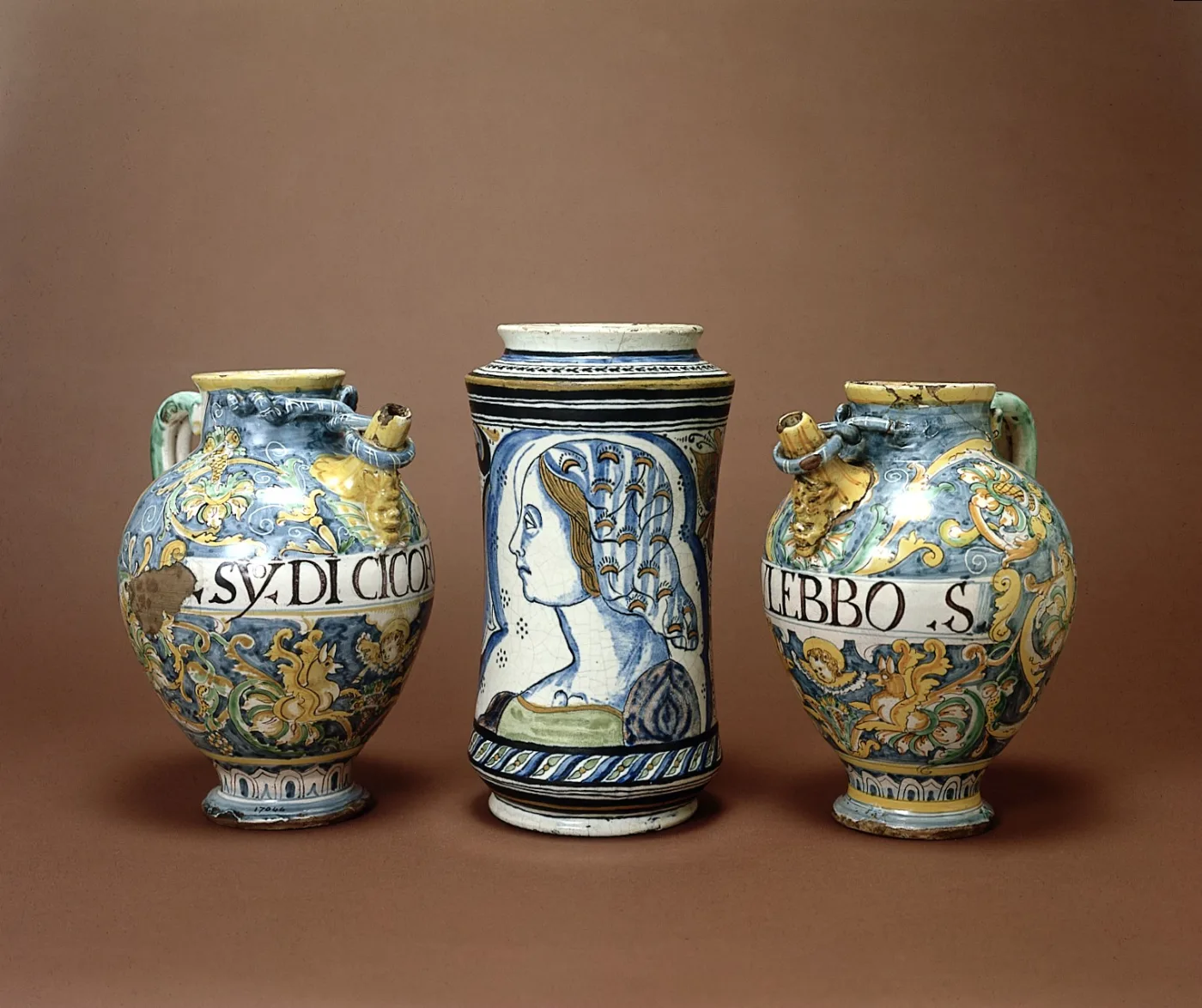
Antique apothecary jars are a fascinating crossover between decorative glass collecting, medical history, and material culture. A single jar can tell you how medicines were mixed, how pharmacies presented authority to customers, and what a local workshop could produce at a specific period. For collectors, the challenge is that many authentic jars were heavily used, relabeled, repaired, and sometimes later repurposed for kitchen or display use.
This guide gives you a field-ready method for identifying antique apothecary jars from the late 18th century through the early 20th century. You will learn the fast clues that separate period examples from reproductions, how to interpret pontil marks and mold seams, and how to evaluate enamel lettering, paper labels, and stoppers without damaging fragile surfaces.
Use this reference when buying at markets, auctions, and online listings, then combine it with close photography and mark documentation for better long-term attributions.
Table of Contents
- 1) What Counts as an Antique Apothecary Jar?
- 2) Core Jar Types and Their Pharmacy Uses
- 3) Glass Color, Clarity, and Production Clues
- 4) Pontil Marks, Mold Seams, and Base Diagnostics
- 5) Labels, Enamel Lettering, and Gilded Cartouches
- 6) Stoppers, Lids, and Neck Construction
- 7) Dating Workflow: 1780-1930 in Practical Steps
- 8) Maker Marks, Retail Labels, and Regional Patterns
- 9) Condition, Repairs, and Restoration Red Flags
- 10) Authentication Checklist for Buyers
- 11) Value Drivers and Collector Demand
- 12) Storage, Handling, and Documentation Best Practices
1) What Counts as an Antique Apothecary Jar?
In collecting terms, apothecary jars are containers made for preparing, storing, dispensing, or displaying medicinal ingredients in pharmacies and dispensing chemist shops. They appear in blown glass, mold-blown glass, porcelain, faience, and stoneware forms. The antiques market often mixes true shop-use jars with decorative revival pieces made for home interiors, so context matters as much as form.
Utility versus decorative intent
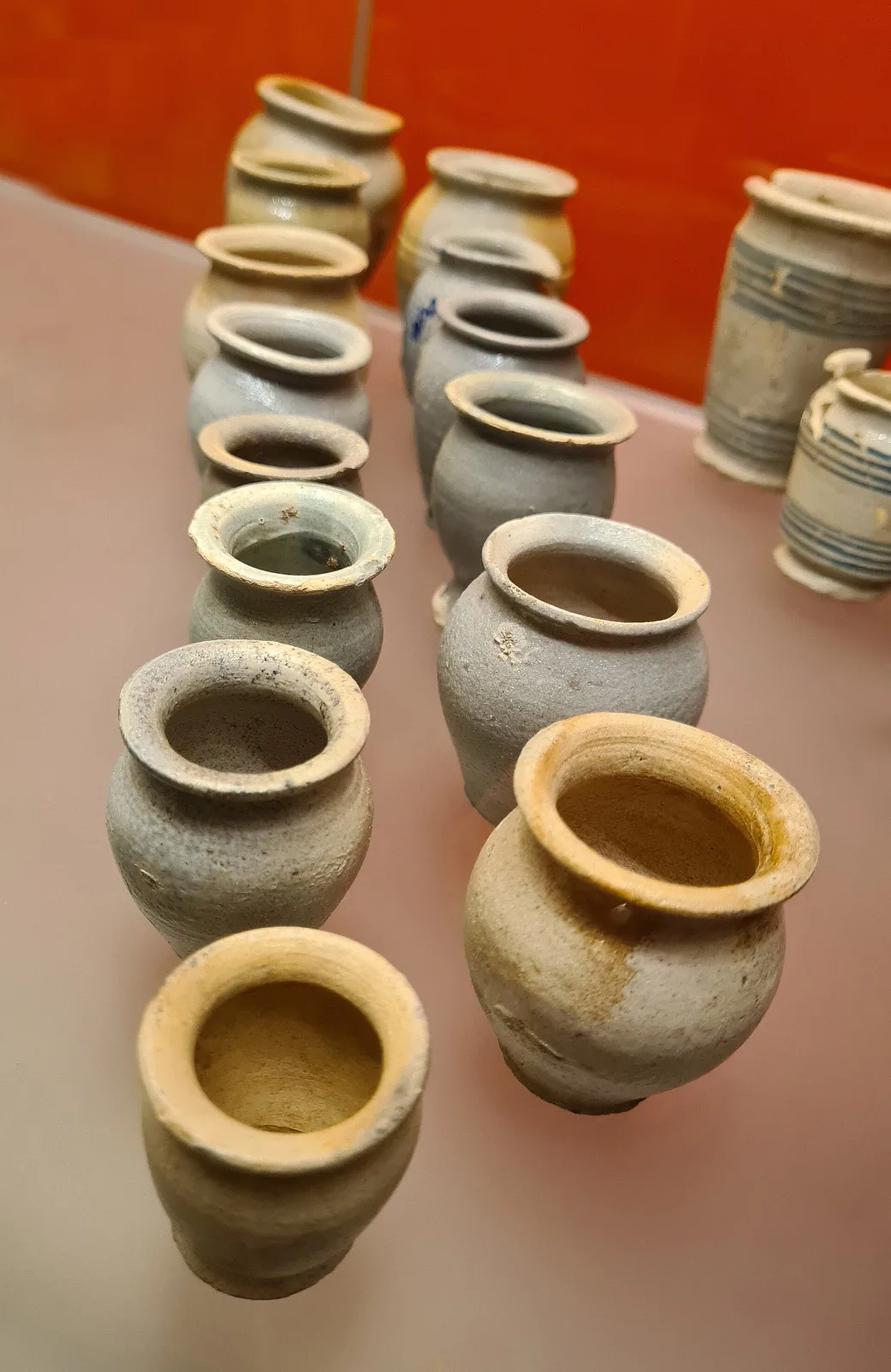
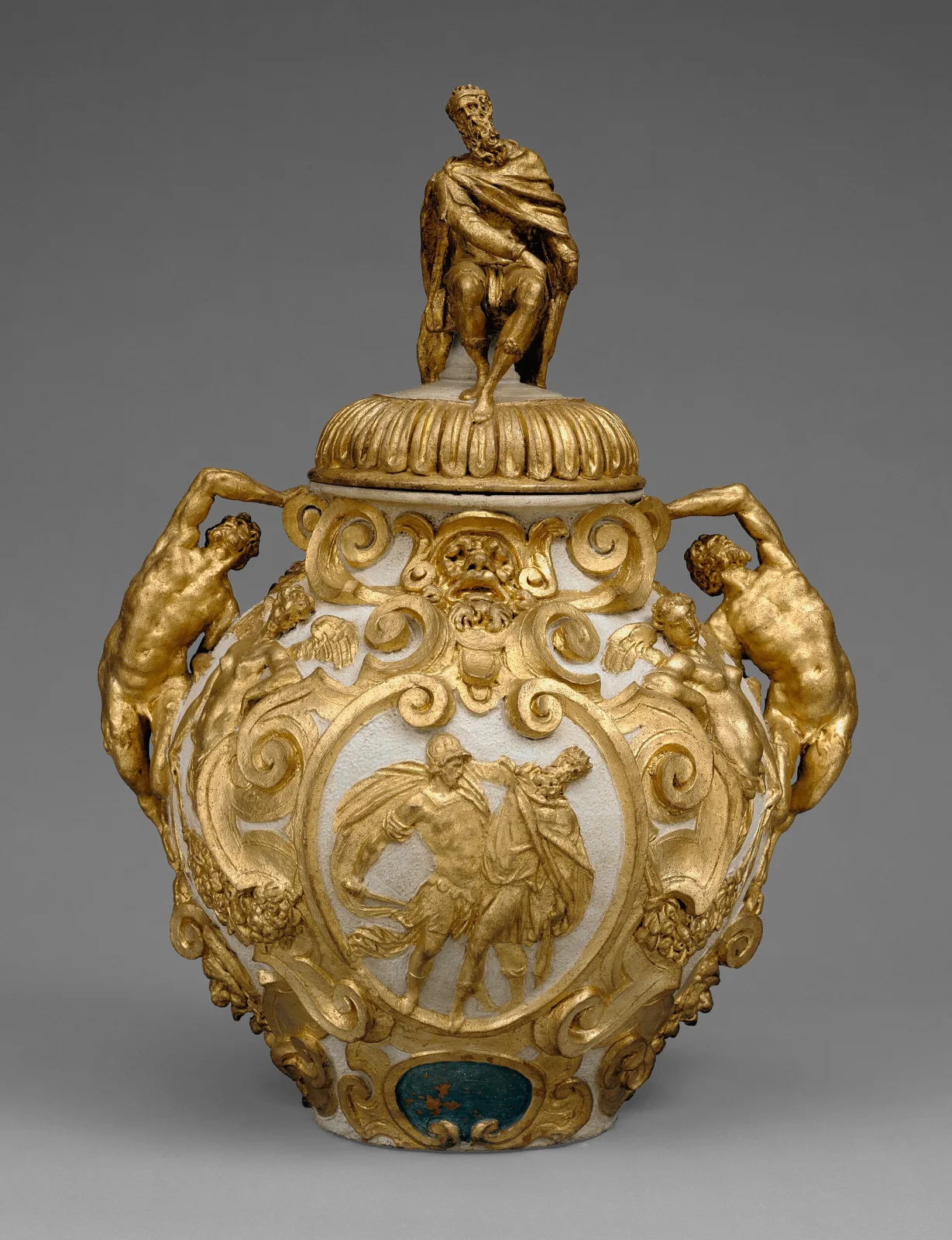
Working pharmacy jars usually show signs of routine handling: worn shoulders, interior residue haze, stopper abrasion, and repeated cleaning marks. Decorative reproduction jars may have theatrical labels and pristine surfaces but lack practical details such as measured neck fittings or wear at the base ring.
2) Core Jar Types and Their Pharmacy Uses
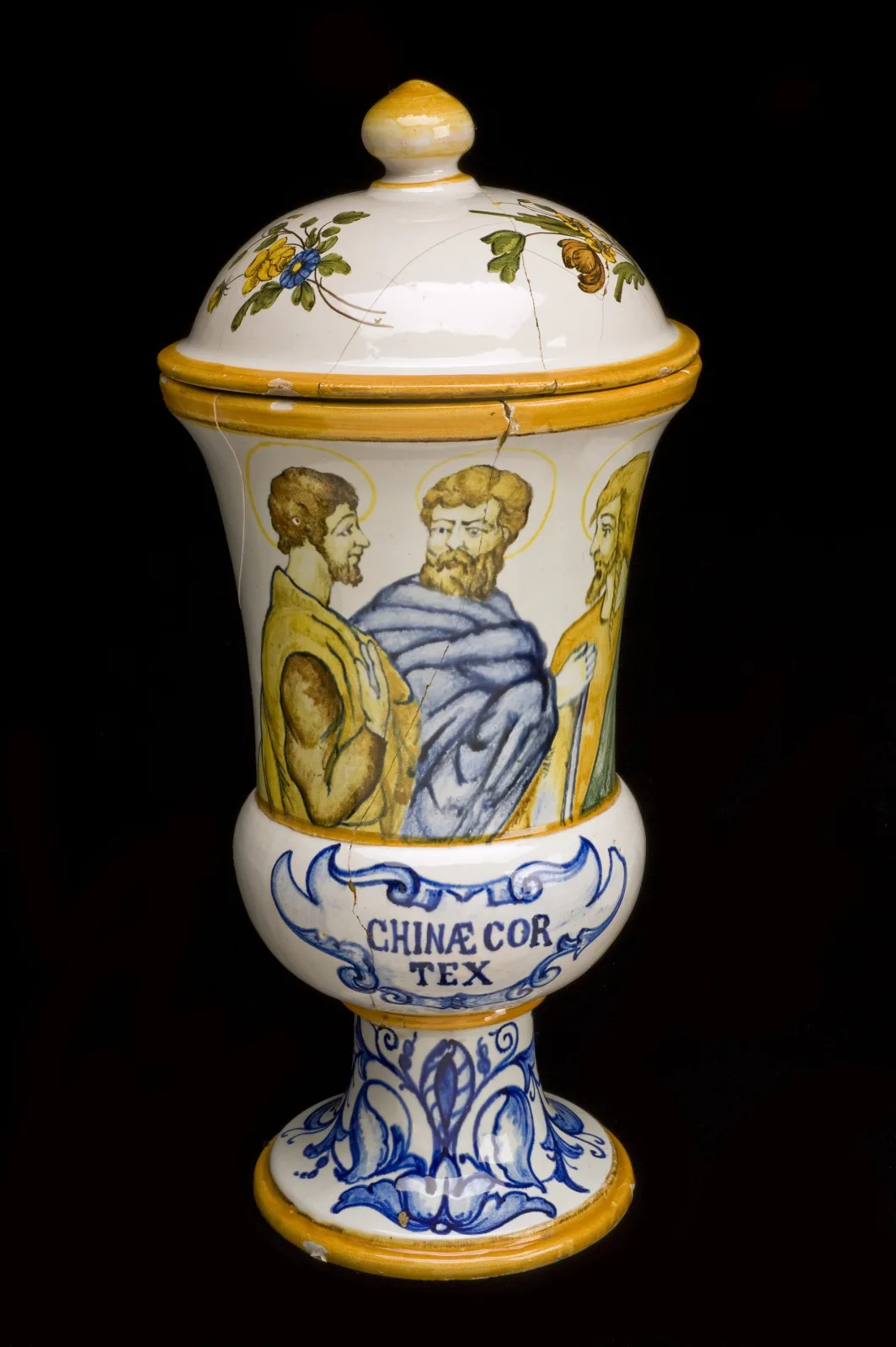
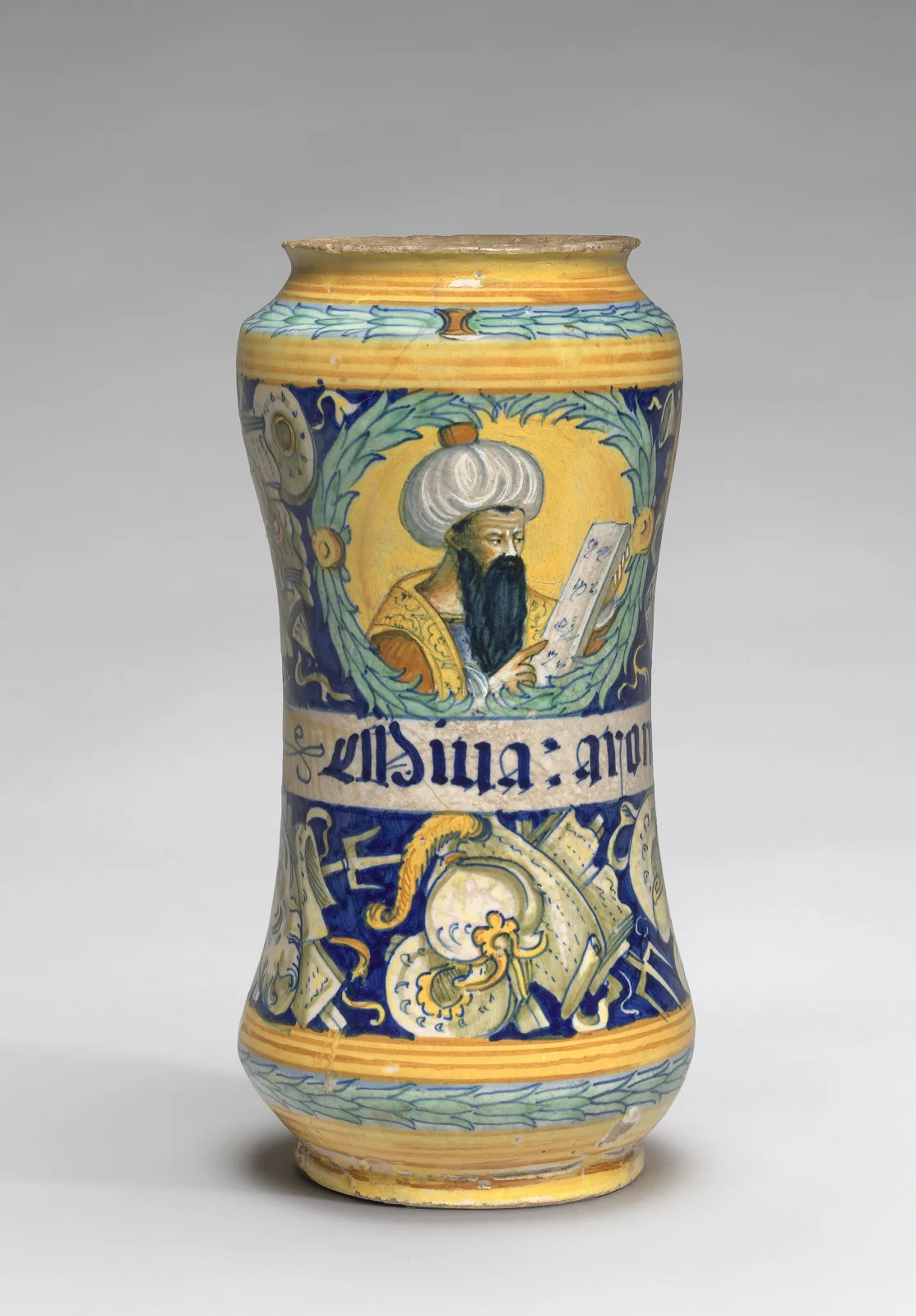
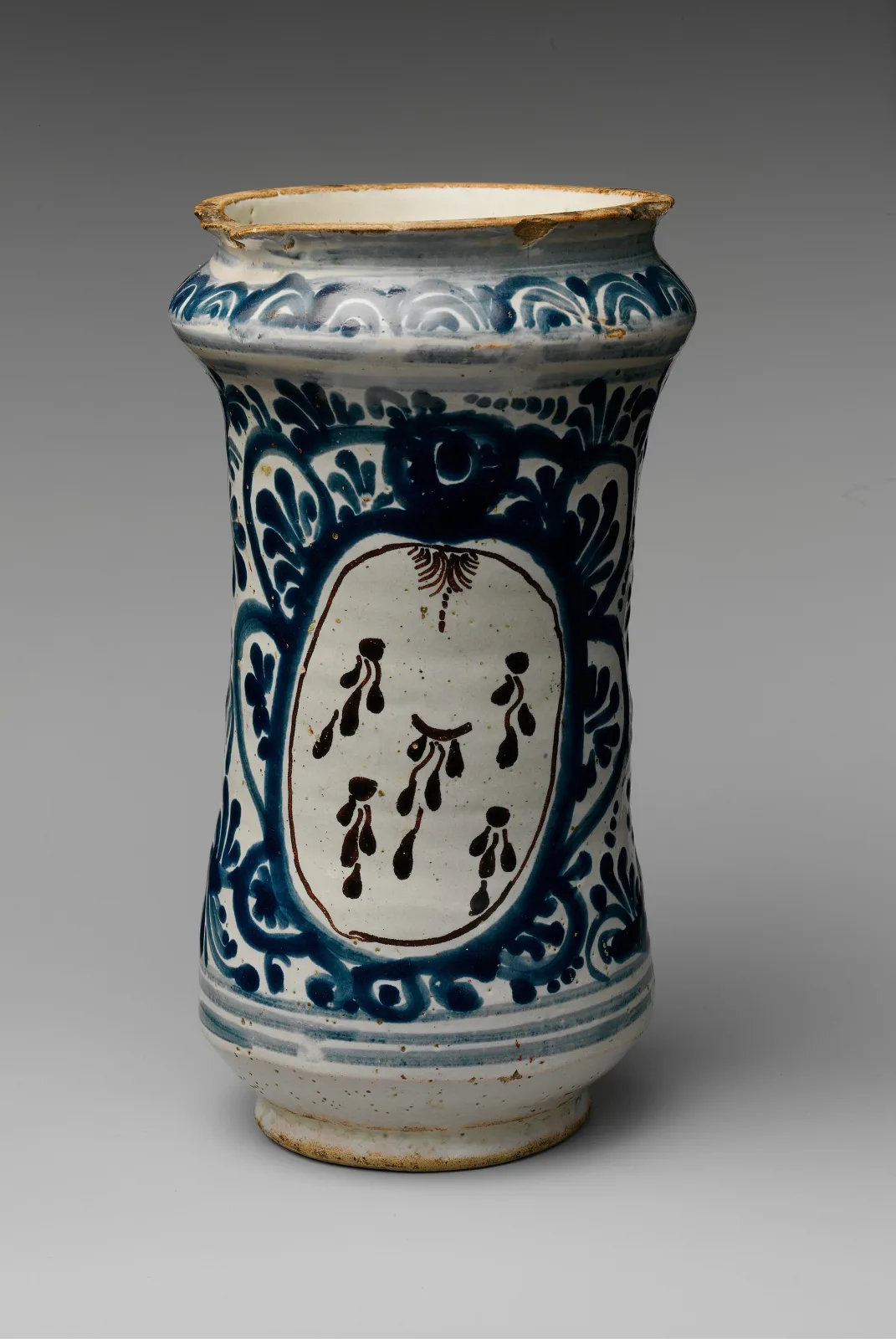
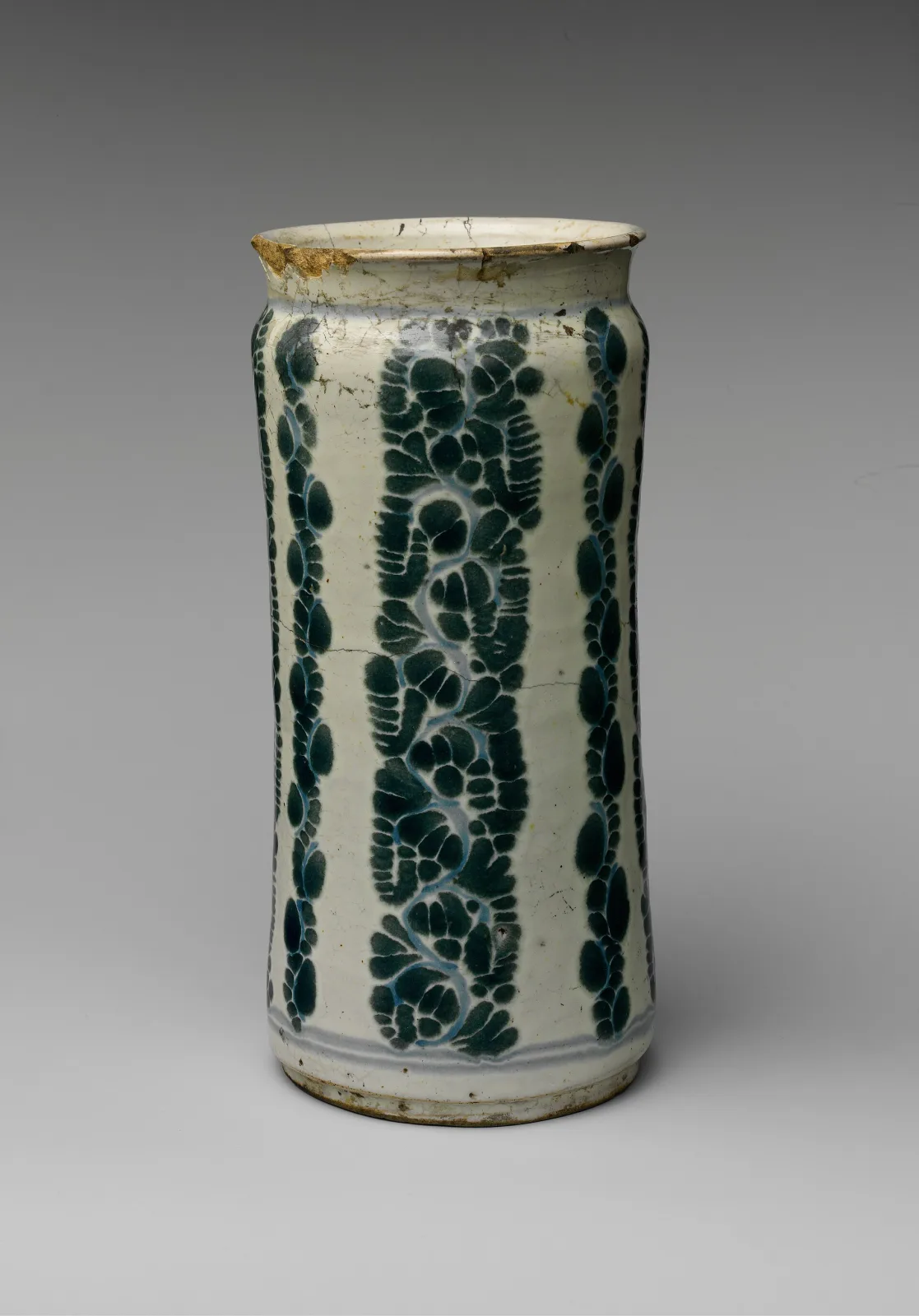
Collectors often begin by sorting jars into practical categories. Cylindrical shop jars held dried botanicals and powders, wide-mouth jars stored ointments, and tall stoppered bottles carried tinctures or solvents. Ceramic albarelli and drug jars were common in some European traditions where opacity helped protect contents from light.
Common forms to recognize quickly
Look for straight-sided display jars with painted drug names, shouldered tincture bottles with ground stoppers, and footed “show” jars intended for counter presentation. A jar’s intended function affects its neck diameter, wall thickness, and closure style, all of which are valuable dating signals.
3) Glass Color, Clarity, and Production Clues
Color is one of the fastest filters for period assessment. Aqua and pale green tones are common in 19th-century utilitarian pharmacy glass due to iron impurities, while very clear water-white glass becomes more common in later, better-controlled industrial production. Cobalt and amber examples exist, often chosen for light-sensitive compounds.
Why color alone is never enough
Modern makers intentionally reproduce antique hues, so pair color study with tool marks, seam behavior, and letter application. A convincing antique tone combined with modern machine-finished threading is still a modern object. Build conclusions from clusters of evidence, not one attractive visual cue.
4) Pontil Marks, Mold Seams, and Base Diagnostics
Base analysis can quickly separate hand-finished period glass from modern decorative copies. Early hand-blown jars may show pontil scars or polished pontil zones, while later mold-blown pieces often have seams that fade before the lip where hand finishing occurred. Fully machine-made jars typically show seam continuation through the finish.
How to inspect safely
Use side lighting and rotate the jar slowly to track seam lines from base to rim. On clear glass, condensation from your breath can briefly reveal subtle tooling marks. Avoid scraping the base to expose marks; micro-abrasion can permanently damage value and remove authentic wear history.

5) Labels, Enamel Lettering, and Gilded Cartouches
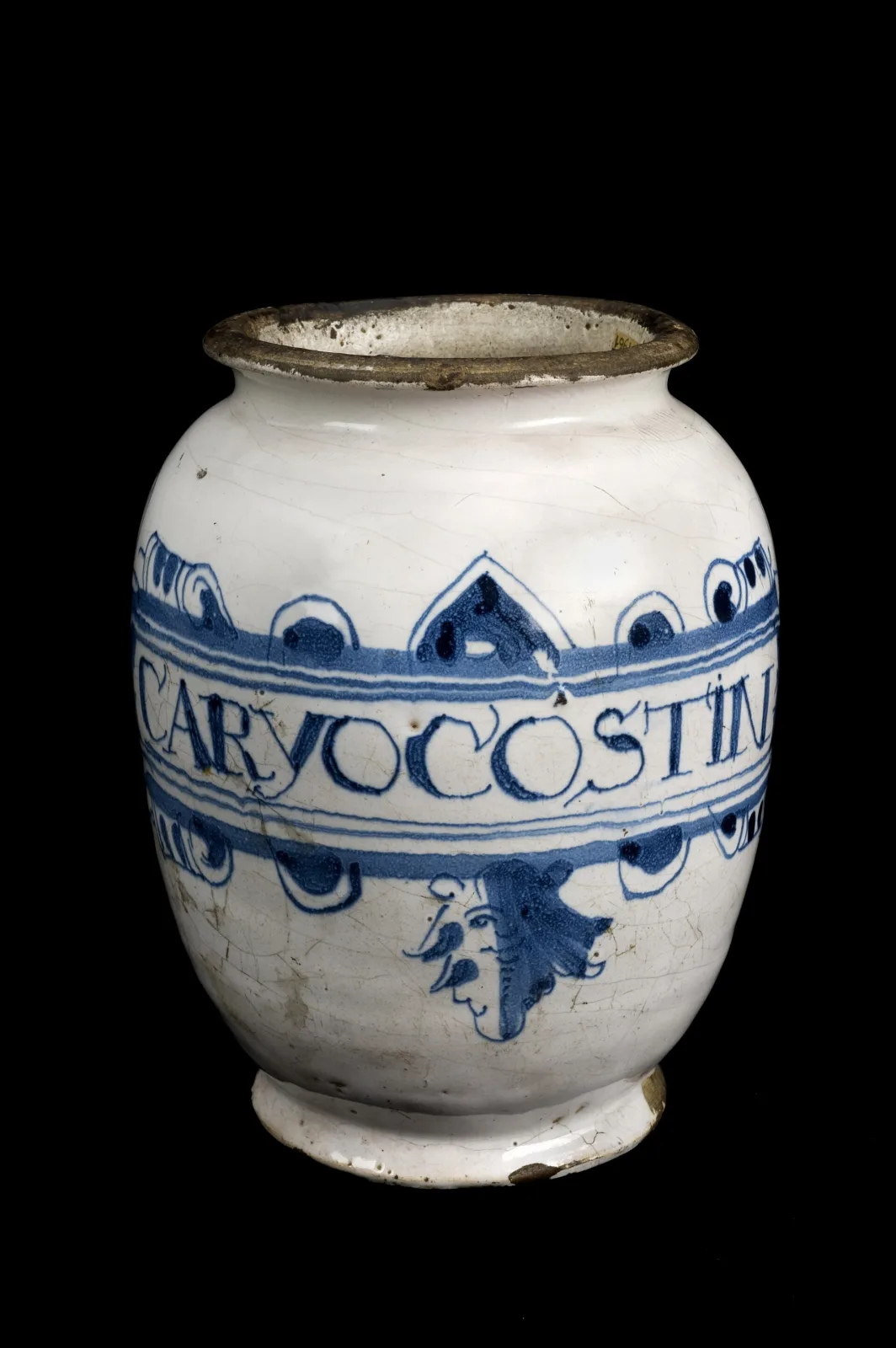
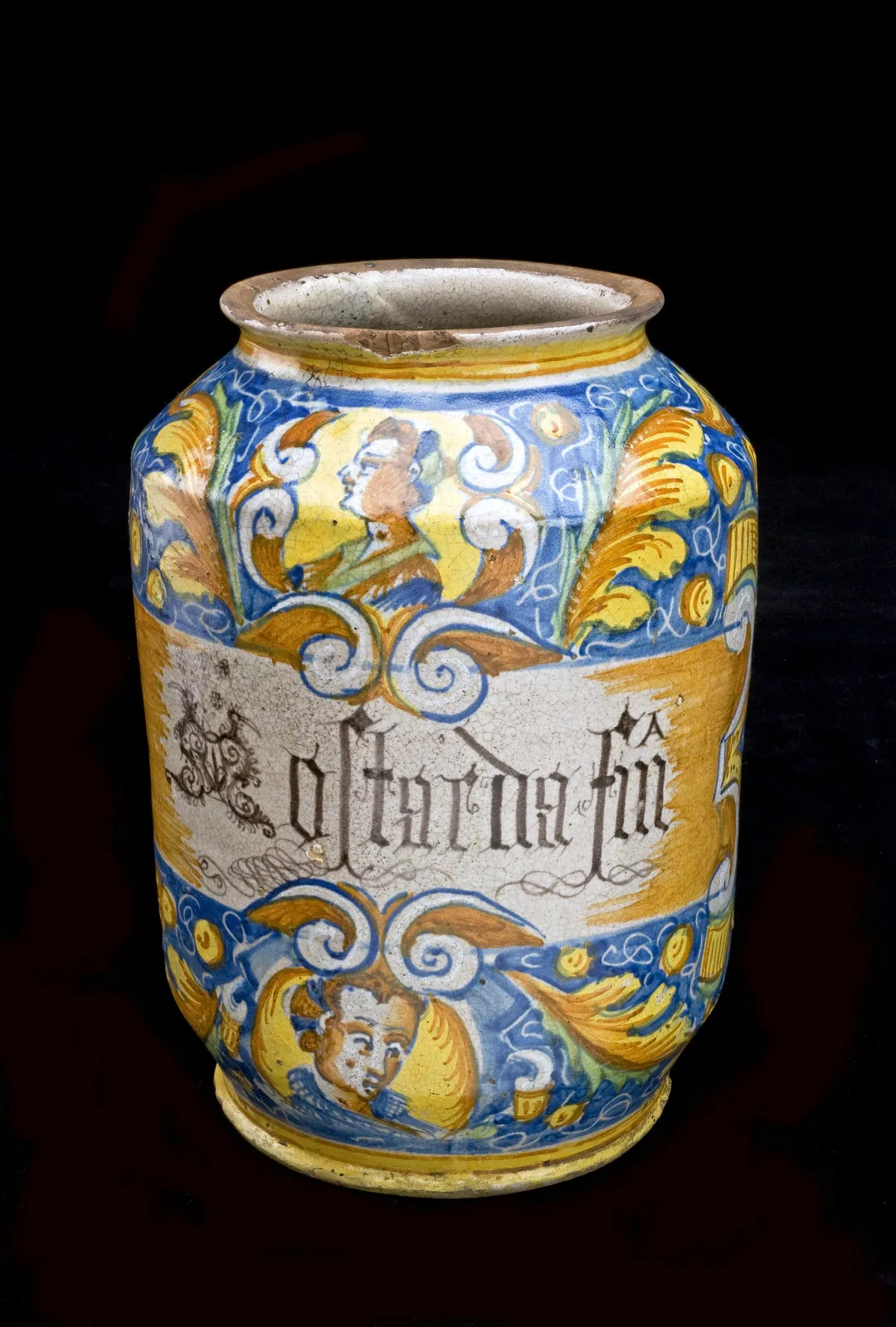
Authentic labeling methods vary widely by era and region. You may find reverse-painted cartouches, enamel script fired onto glass, transfer labels, and layered paper labels sealed with varnish. Older labels often show edge lifting, darkened adhesive, and uneven hand-lettering that aligns with period typography.
Red flags in modern label work
Watch for laser-sharp fonts, synthetic gold paint with plastic sheen, and artificially cracked varnish patterns repeated across multiple jars. Reproduction sets often overuse Latin names in identical script and spacing. Genuine mixed-lot pharmacy stock usually presents irregularity from replacement labels and evolving inventory practices.
6) Stoppers, Lids, and Neck Construction
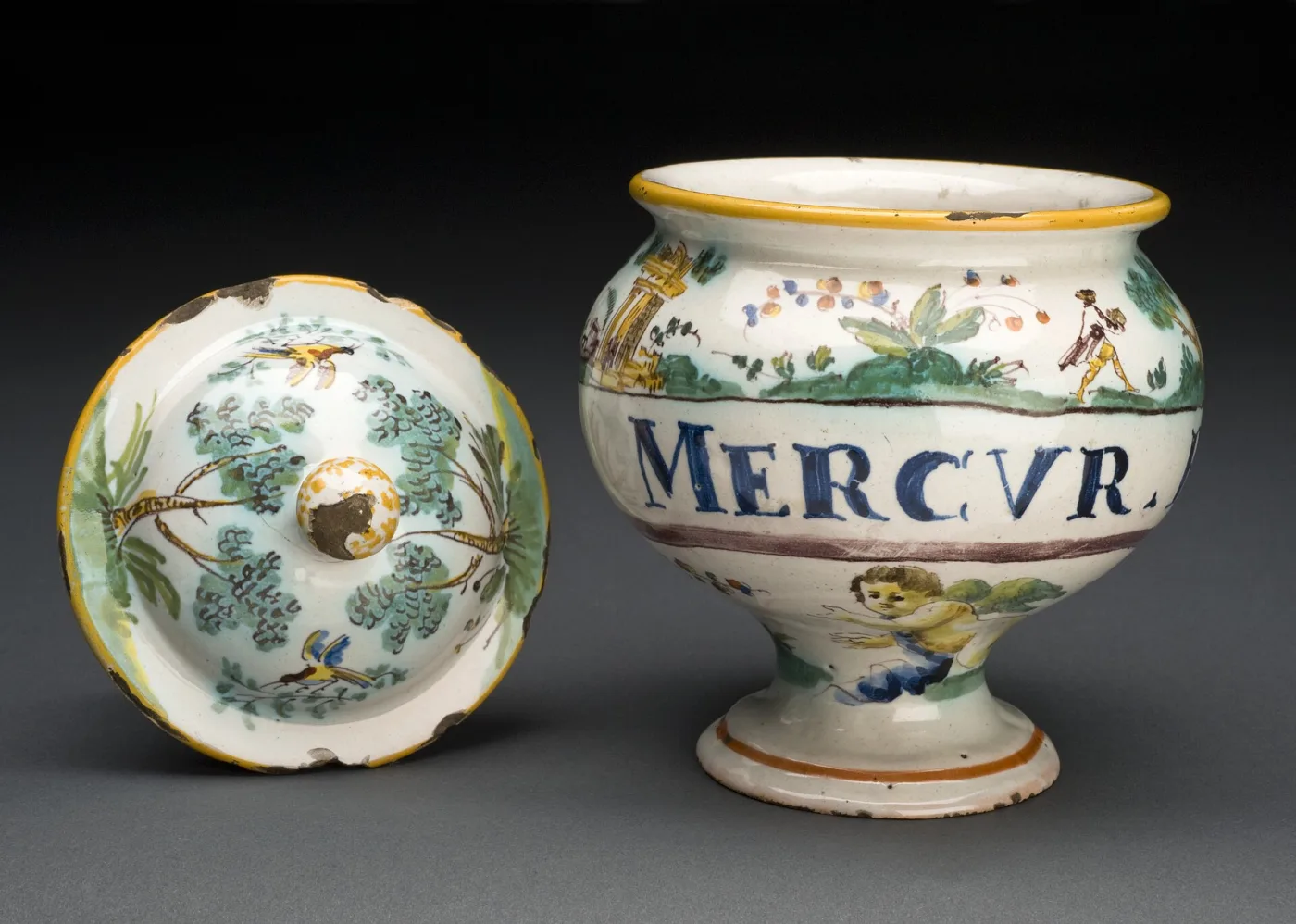
Closures are frequently replaced, so they deserve careful scrutiny. Ground glass stoppers should match neck taper and wear pattern; severe mismatch suggests marriage. Tin, pewter, wood, or cork lids can be period-correct depending on jar type, but their patina and oxidation must align with the container’s age profile.
Matching wear patterns
Original stopper and neck pairs develop complementary frosted rings where surfaces met repeatedly. A pristine stopper in a heavily worn neck, or vice versa, is possible but should prompt further investigation. Replacement closures are acceptable when documented, but undisclosed replacements reduce collector confidence and value.
7) Dating Workflow: 1780-1930 in Practical Steps
Dating apothecary jars works best when you move from broad to narrow indicators. Start with production technique (free-blown, mold-blown, machine-made), then evaluate finishing details, then move to label technology and retailer evidence. Finally, cross-check with known catalog forms and surviving dispensary photographs.
Period markers at a glance
Late 18th to mid-19th century examples often show stronger hand-finishing signatures and regional inconsistency. Late 19th-century industrial jars trend toward more regular seams and standardized shapes. Early 20th-century pharmacy containers may include clearer branding and more machine-driven finishing consistency.
8) Maker Marks, Retail Labels, and Regional Patterns
Unlike some ceramics, many apothecary jars are unmarked by maker, so retailer labels and location clues become essential. Paper labels with pharmacy names, street addresses, or city references can anchor provenance. Embossed bases sometimes include glassworks initials, mold numbers, or capacity marks.
Build evidence from multiple records
When possible, compare label names with city directories, trade almanacs, and old newspaper ads. Even if the jar is not uniquely rare, documented local provenance can make a piece significantly more desirable to regional collectors, museums, and pharmacy-history specialists.
9) Condition, Repairs, and Restoration Red Flags
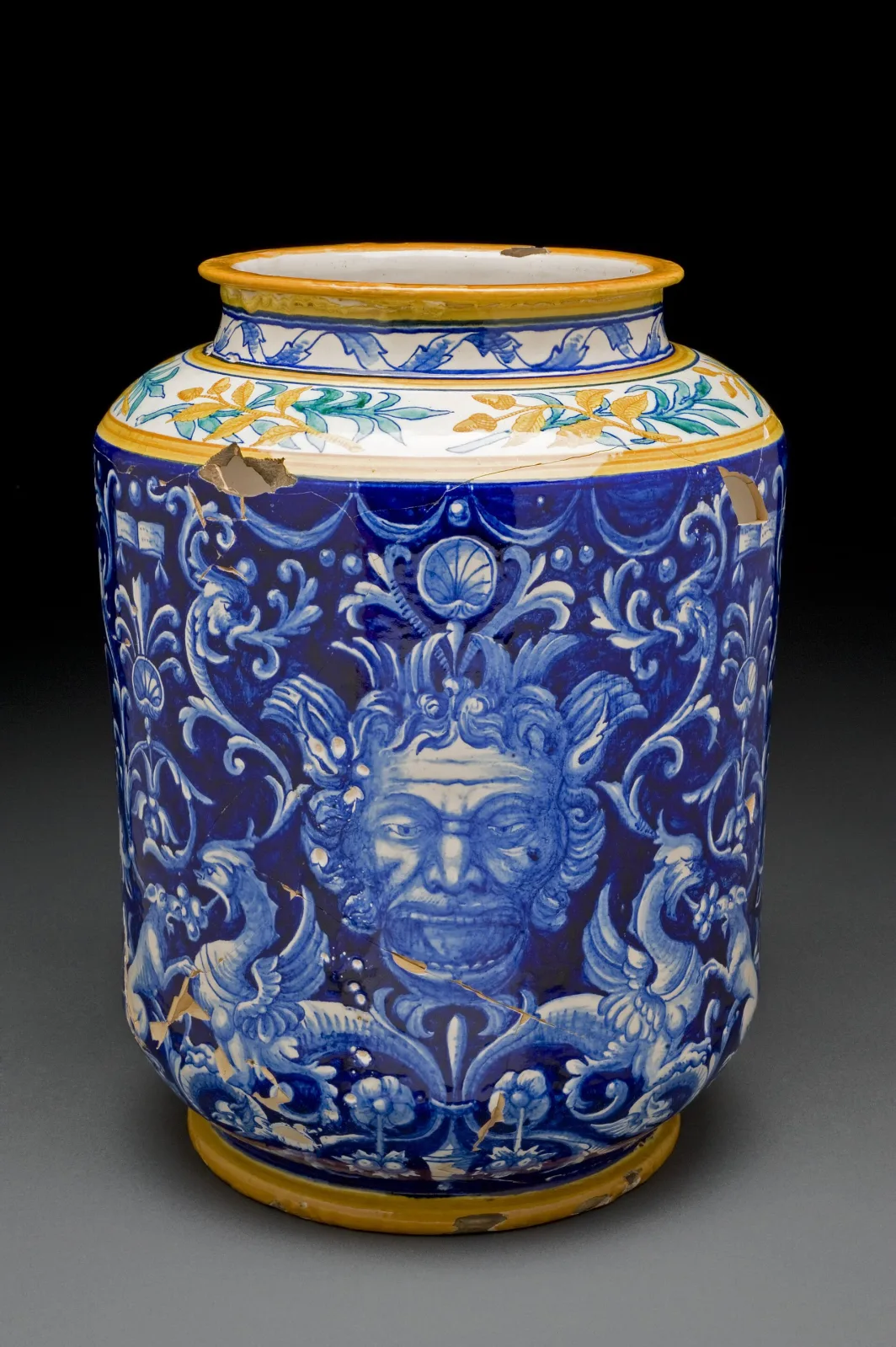
Condition is not just about visible chips. Evaluate structural stress lines, rim grinding, base fractures, interior clouding, and old adhesive residues from prior break repairs. Some professional restoration is acceptable, but over-restoration can erase evidence required for confident dating and authenticity assessment.
Common repair patterns
Look for UV-reactive glues at cracks, uneven polish around chips, and repainted labels that sit on top of old wear. A transparent condition report is a positive sign from sellers. In contrast, vague language such as “age-related imperfections” without close photos should be treated cautiously.
10) Authentication Checklist for Buyers
Use a repeatable checklist before purchasing. Confirm form and intended use, analyze base and seam behavior, inspect labels under magnification, verify closure compatibility, and review seller provenance claims. This disciplined process reduces impulse purchases driven by decorative appeal alone.
Five-minute market checklist
1) Photograph the base and neck. 2) Check seams relative to finish. 3) Inspect label edges and paint texture. 4) Confirm stopper fit and wear pairing. 5) Ask for provenance or acquisition history. If two or more answers remain unclear, pause and research before committing.
11) Value Drivers and Collector Demand
Collector value is shaped by rarity, condition, visual impact, and documented provenance. Single jars can sell strongly when they carry unusual labels or uncommon colorways, while complete graduated sets often command premiums due to display appeal. Medical-history context can add value beyond decorative merit.
What buyers pay for most
Collectors generally reward originality: period label surfaces, coherent wear, and unaltered glass finish. Over-cleaned pieces may look bright but can lose their historical character. Provenance from known pharmacies, hospitals, or estate archives can justify higher price points in both private and auction settings.
12) Storage, Handling, and Documentation Best Practices
Store jars in stable humidity away from direct sunlight and strong heat sources. Use padded shelving and avoid stacking, especially for jars with long necks or thin foot rings. Keep stoppers separate only if necessary, and always label pairings to avoid accidental mix-ups across similar examples.
Create a collector dossier
Document dimensions, weight, color notes, closure type, label transcripts, and high-resolution photos under consistent lighting. Include purchase source, date, and any conservation work. Good documentation supports insurance, improves resale trust, and helps you track patterns as your collection grows.