
Antique Typewriters Identification Guide: Brands, Dating & Value
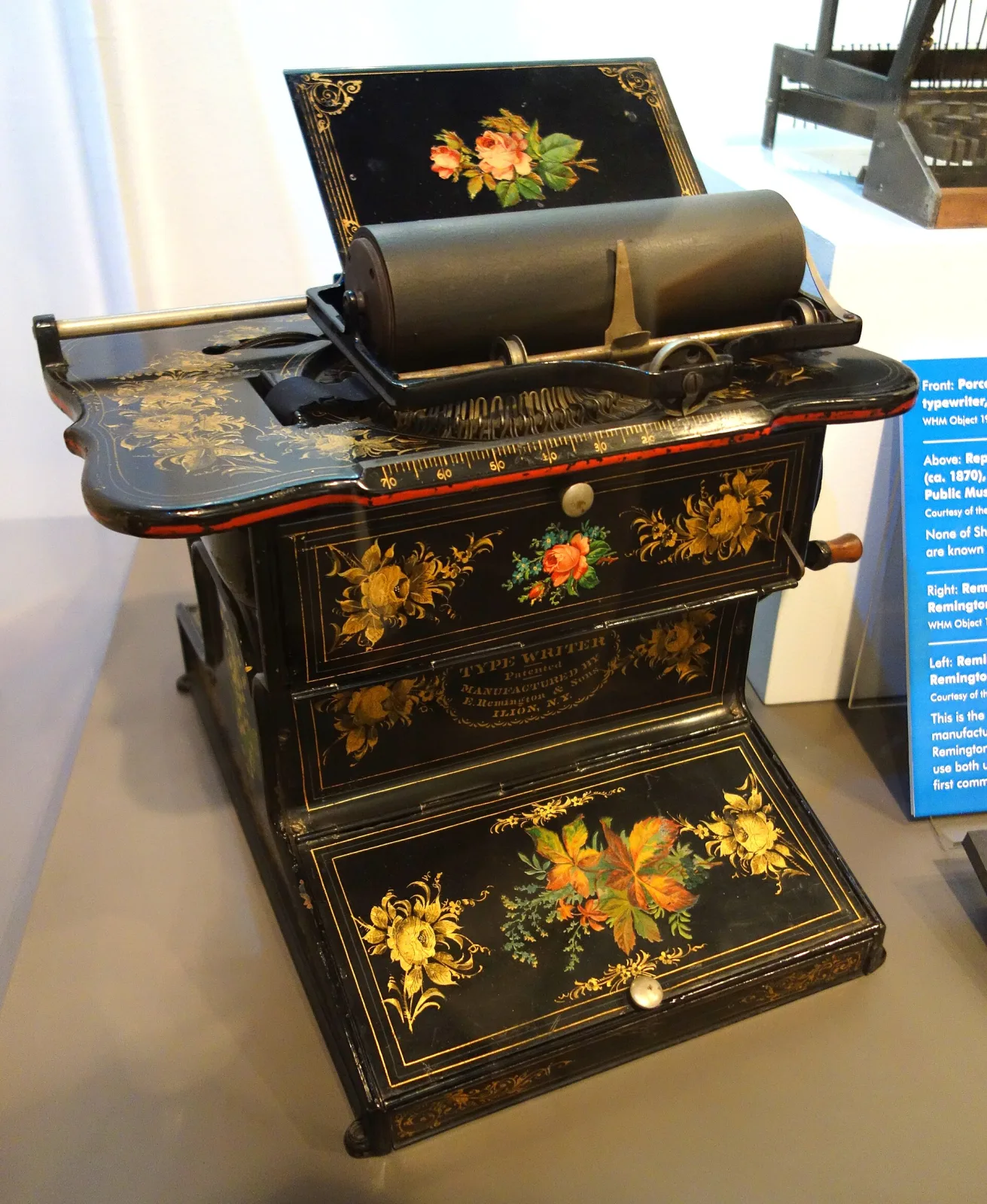
Antique typewriters sit at the intersection of industrial design, writing history, and practical mechanics. A good example can be both a beautiful display piece and a usable machine with a distinct typing feel that modern keyboards cannot replicate.
Collectors often ask the same first questions: Who made this machine? Is it complete? Can it be dated accurately? And does condition matter more than brand? This guide gives you a field-tested process you can use at flea markets, estate sales, auctions, and online listings.
Below you will learn how to identify major makers, decode serial numbers, recognize period features, spot restoration issues, and estimate value using comparable sales and condition grading.
Table of Contents
- Why Antique Typewriters Are Collected
- Core Typewriter Parts to Inspect First
- Major Makers and Signature Traits
- Serial Numbers and Dating Methods
- Keyboard Layouts, Languages, and Markets
- Finish, Decals, and Originality Checks
- Mechanical Condition and Test Routine
- Portable vs Standard Machines
- Valuation Factors and Price Bands
- Buying, Shipping, and Long-Term Care
Why Antique Typewriters Are Collected
Typewriters attract multiple collector groups at once: writing enthusiasts, design historians, film and theater prop buyers, office ephemera collectors, and mechanical hobbyists. This broad demand keeps the market active even when some antique categories slow down.
Early visible-writing machines, unusual index typewriters, and rare keyboard variants are especially desirable. But common models can still be collectible when they are complete, original, and mechanically healthy.
Historical milestones that influence demand
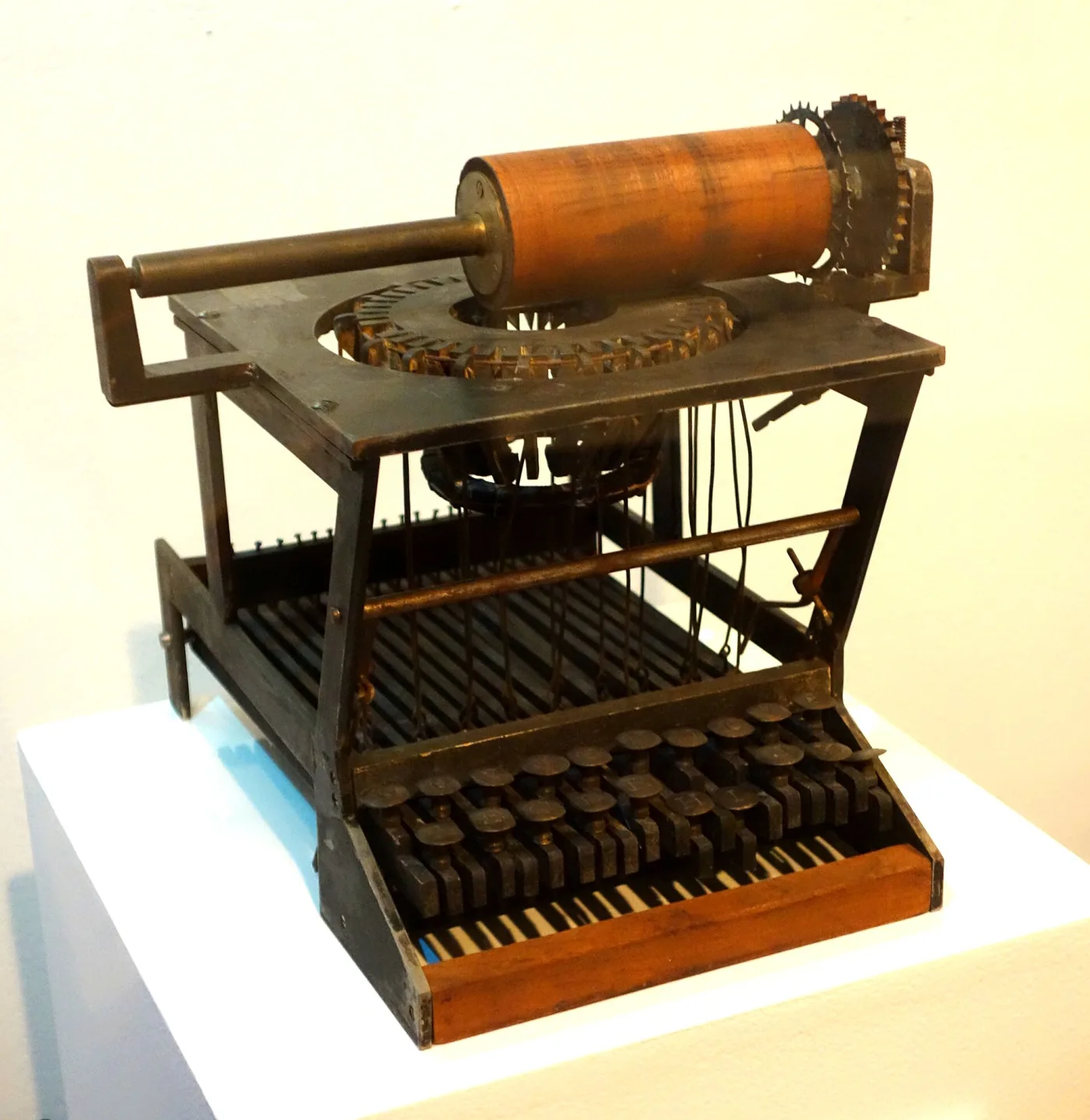
Machines tied to major transitions in typing technology often carry stronger collector interest: early front-strike designs, compact portables for travel, and postwar standards that became office workhorses. A model’s place in that timeline affects value as much as aesthetics.
Core Typewriter Parts to Inspect First
Start with a systematic visual check. Confirm that the carriage, platen knobs, ribbon spools, keytops, paper table, and feet are present. Missing parts reduce value and can be difficult to source for specific models.
High-impact components
Platen and feed rollers: hardened rubber is common, but severe cracking affects usability. Type slugs: bent type bars or heavily worn characters can make typing muddy. Escapement: this mechanism controls character spacing and is expensive to repair if damaged.
Case and accessories
Original carrying cases, cleaning brushes, instruction books, and dealer paperwork add both historical interest and market value. Document these extras in photos whenever you evaluate a machine.
Major Makers and Signature Traits
Three brands dominate many antique listings: Underwood, Remington, and Royal. Smith-Corona, Olympia, Hermes, and Olivetti are also important for mid-century collecting.
Underwood
Known for robust standards and highly recognizable open-frame styling in early models. Underwood machines are often good starter antiques because parts knowledge is widespread and serial references are abundant.
Remington
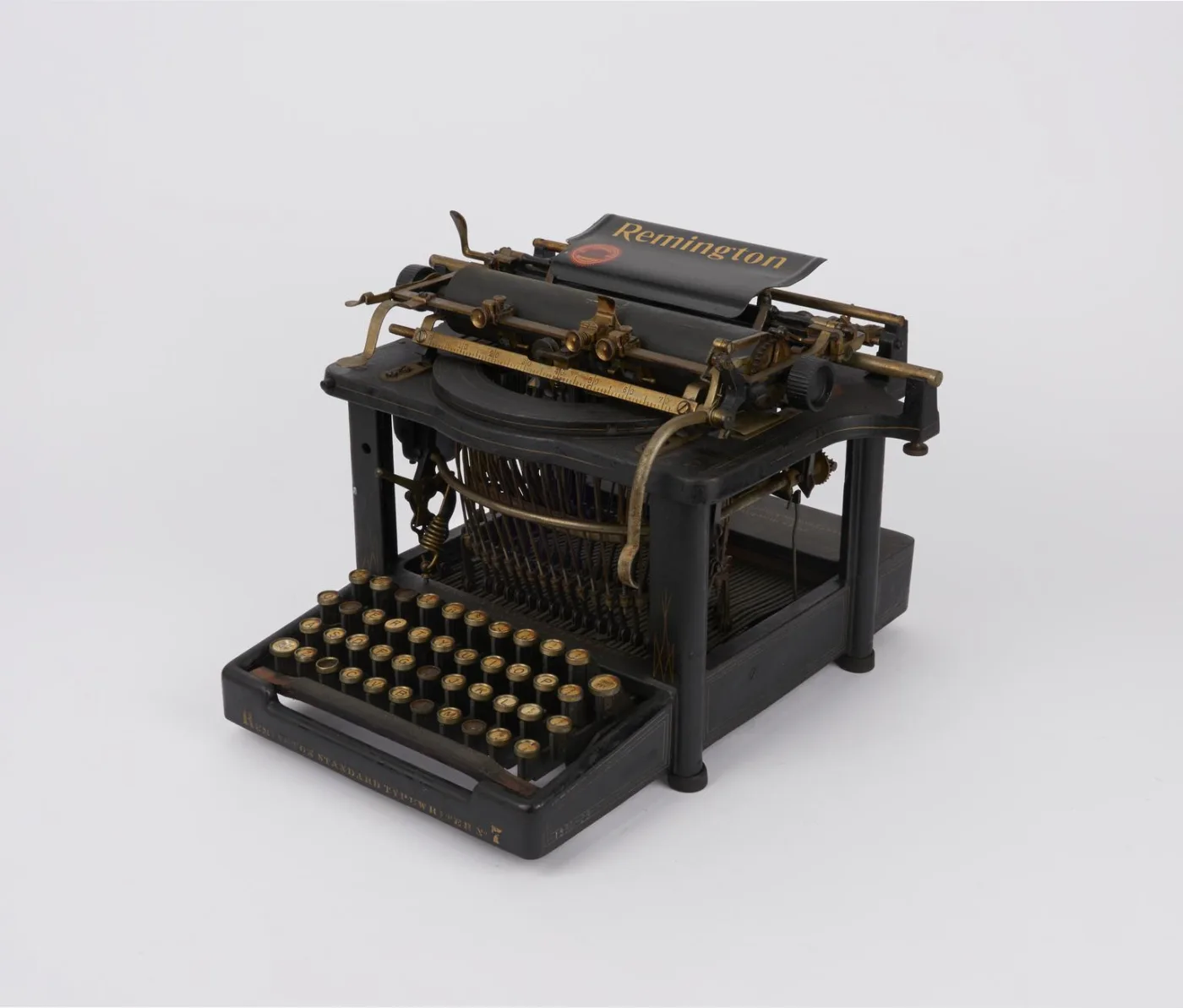
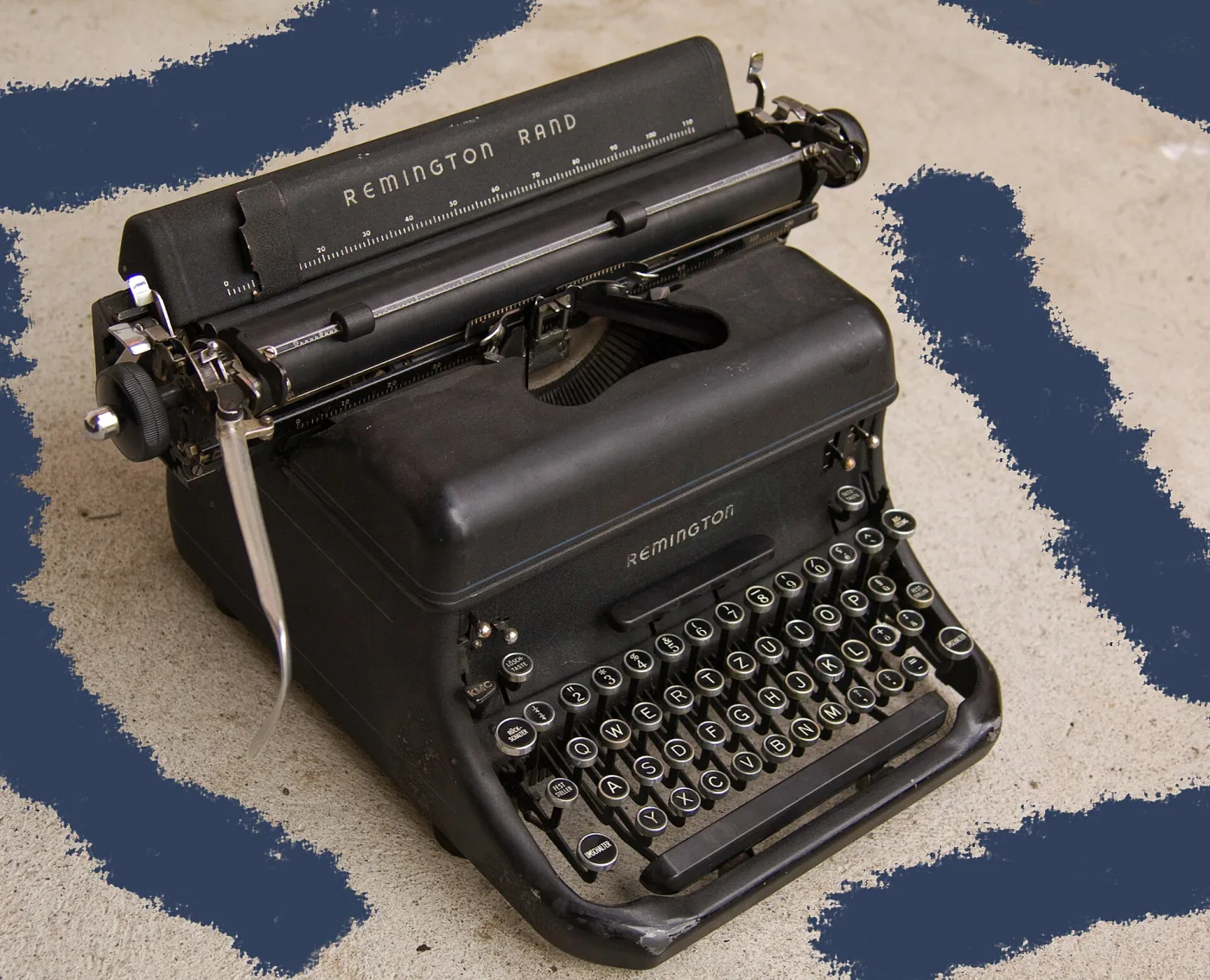
Remington produced major innovations in both early and later periods. Look for clear badge details, model markings, and serial plates because repainting can blur identification clues.
Royal and Smith-Corona
Royal standards and portables are common in North American markets. Smith-Corona portables are loved for practical daily use, so examples with smooth action and original finish can sell quickly.

Serial Numbers and Dating Methods
Serial numbers are your most reliable dating tool. On many machines, the serial appears on the frame under the carriage, on the rear body panel, or near the ribbon area. Use a flashlight and photograph the number before cleaning.
Cross-checking serials
One source is never enough. Compare serial tables from trusted collector associations, period catalogs, and factory records where available. Confirm that the model name and physical features match the claimed year range.
Patent dates are not production dates
A common mistake is treating patent stamps as manufacturing dates. Patent dates indicate when a design was legally protected, not when your machine was built. Always prioritize model-correct serial data.
Keyboard Layouts, Languages, and Markets
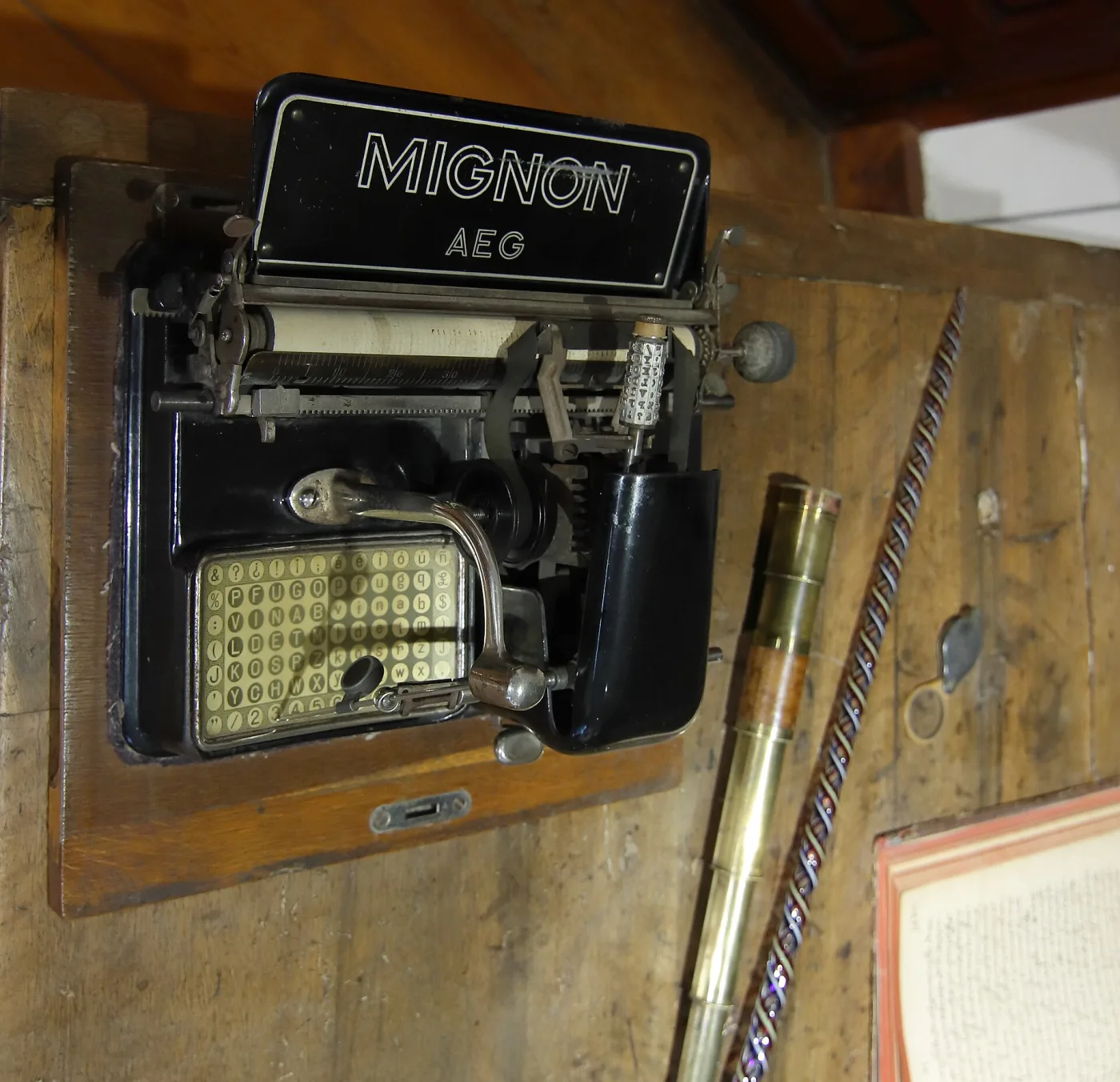
Keyboard layout can reveal export destination and collecting niche. QWERTY is common, but AZERTY, QWERTZ, and specialty language keyboards can make a machine rarer in certain markets.
Keytop materials and legends
Early machines may use glass-topped keys, while later models can have plastic caps. Replacement keytops or mismatched fonts across keys may indicate repair work. Ensure legends are consistent with the claimed language layout.
Finish, Decals, and Originality Checks
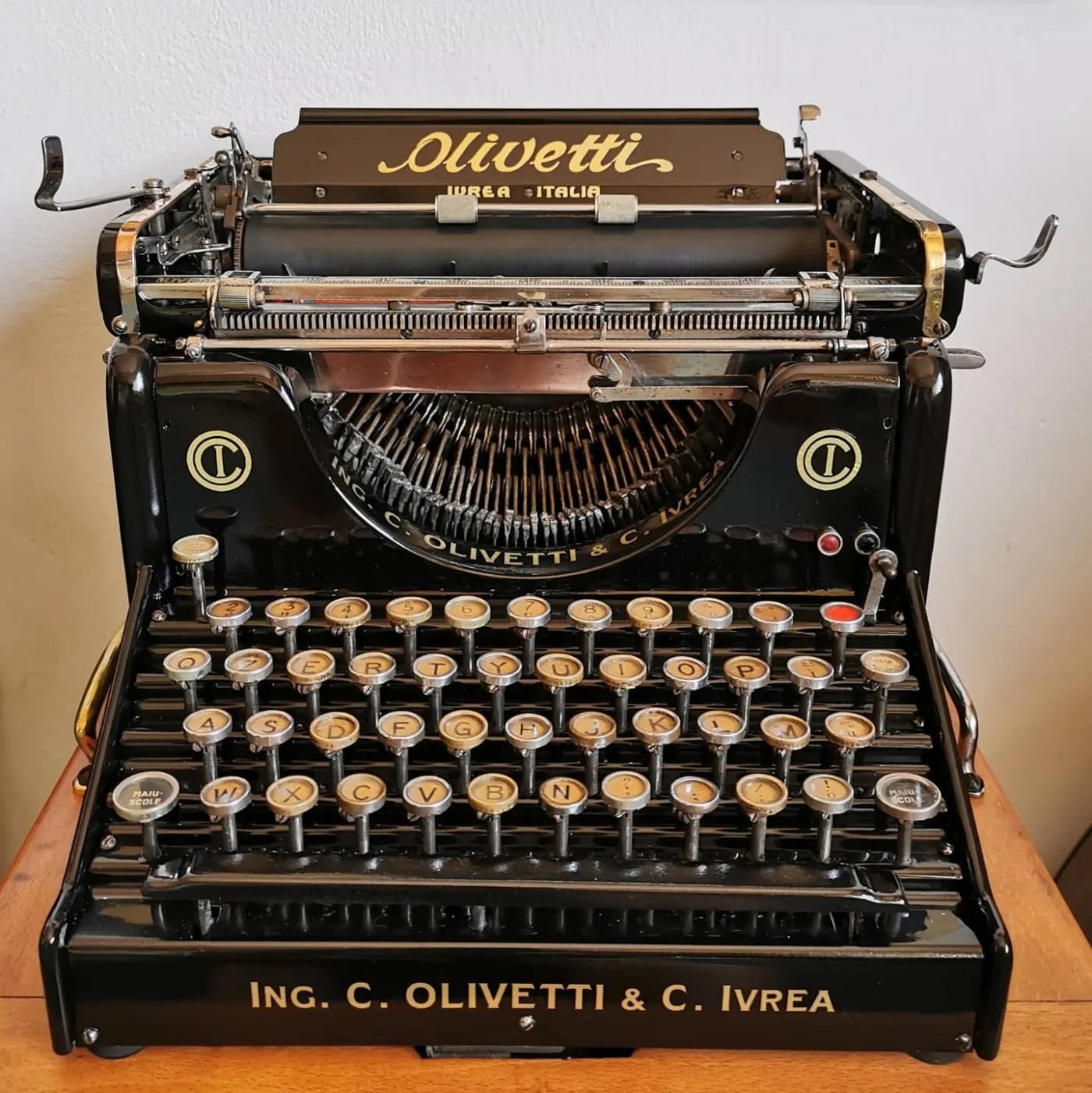
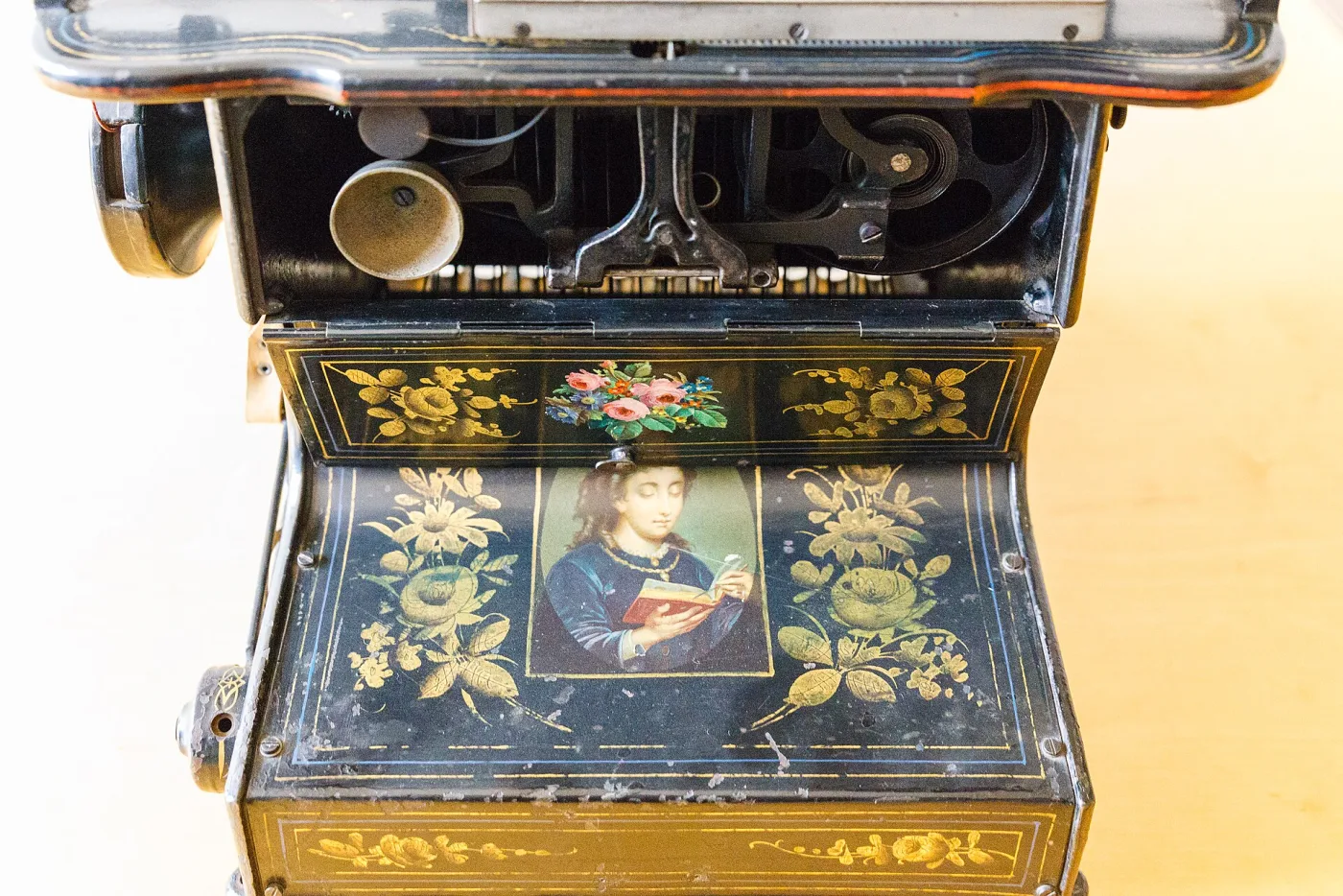
Original paint and decals are critical to collector value. Over-restored machines with modern glossy coatings can look attractive online but often sell for less than honest original finishes with moderate wear.
How to spot repainting
Watch for paint pooling near screws, clogged badge lettering, and decals that sit on top of fresh paint without period-correct aging. Sharp edges and untouched nickel trim often indicate originality.
Mechanical Condition and Test Routine
Use a repeatable test whenever possible:
- Type every key across several rows.
- Check carriage return, bell, and margin release.
- Test shift and shift lock functions.
- Advance paper and verify even line spacing.
- Inspect ribbon advance in both directions.
A machine that types cleanly with minimal sticking can be worth significantly more than an identical model sold as decorative only.
Portable vs Standard Machines
Standard desk machines tend to be heavier and less expensive to ship, which can reduce online buyer pools. Portables are easier to store and often attract first-time collectors, especially when the case is intact and handle hardware is original.
However, rare standards with unusual keyboards, government or newsroom provenance, or early production features can outperform common portables in specialized auctions.
Valuation Factors and Price Bands
Value depends on five factors: rarity, originality, mechanical condition, cosmetic condition, and documented provenance. Brand alone is not enough.
General market tiers
Entry tier: common machines with cosmetic wear and untested function. Mid tier: complete machines with good typing action and honest finish. Premium tier: rare models, exceptional condition, unusual layouts, or documented historical ownership.
Always compare recent sold listings rather than asking prices, and adjust for shipping risk and restoration costs.
Buying, Shipping, and Long-Term Care
When buying online, request photos of serial number, type sample, ribbon area, feet, case interior, and underside. These views reveal most hidden problems.
Shipping best practices
The carriage should be locked, internal spaces lightly padded, and machine immobilized inside its case before boxing. Double-boxing with dense foam dramatically lowers transit damage.
Storage and maintenance
Store in stable humidity, avoid direct sunlight, and dust regularly. Use gentle cleaning methods and avoid aggressive solvents on decals and key legends. For complex escapement issues, consult a specialist technician rather than forcing adjustments.
With careful identification and condition grading, antique typewriters can be rewarding collectibles that preserve a key chapter of communication history.