
Antique Lace Identification Guide: Types, Dating Clues & Authentication
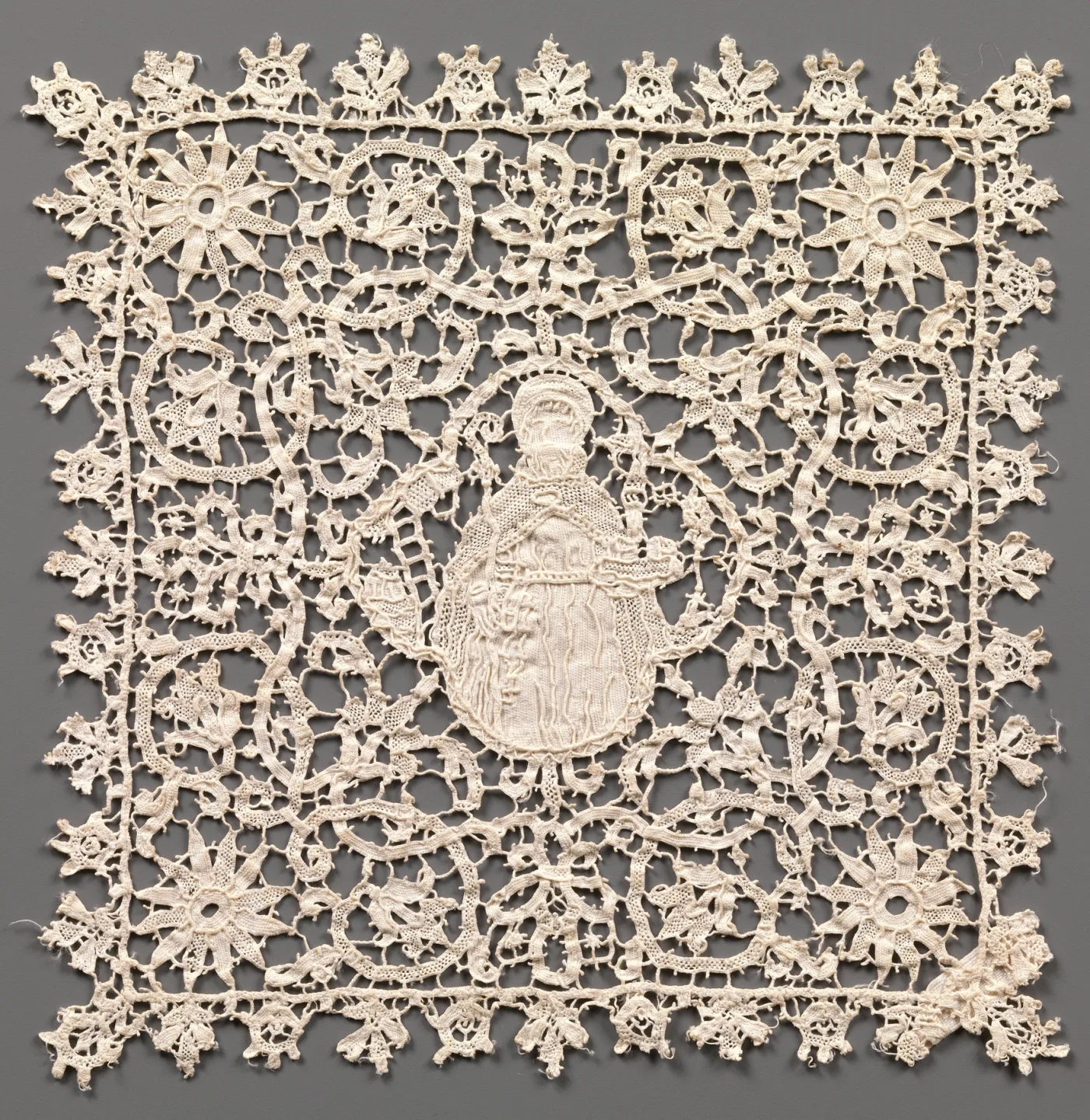
Antique lace is one of the most rewarding textile fields for collectors because every piece captures both artistry and technique. A narrow edging from a Victorian collar, a dramatic flounce from a 19th-century gown, or a handworked altar cloth can reveal regional traditions, labor history, and the social taste of its era. The challenge is that lace can look deceptively similar across periods, and the market includes countless reproductions and later machine-made alternatives.
This guide is designed to help you identify antique lace methodically using observable evidence: fiber type, thread twist, construction method, motifs, ground structure, edge finishing, and signs of age. You will also learn practical dating windows, what to examine under magnification, common restoration clues, and how provenance affects value.
Whether you collect Brussels, Chantilly, Honiton, Irish crochet, Maltese, tape lace, or mixed-lace garments, the same disciplined process applies. By the end, you should be able to sort handmade versus machine-made lace with confidence, build attribution notes, and avoid the most expensive beginner mistakes.
Table of Contents
- 1) What Counts as Antique Lace?
- 2) Core Lace Families You Must Know
- 3) Handmade vs Machine-Made: Fast Tests
- 4) Fiber Identification and Thread Behavior
- 5) Ground Structures and Motif Vocabulary
- 6) Regional Styles and Signature Features
- 7) Dating Clues from Design and Construction
- 8) Condition, Repairs, and Conservation Red Flags
- 9) Authenticity Workflow for Buyers
- 10) Value Drivers in the Lace Market
- 11) Building a Reference Collection
- 12) Documentation Checklist and Final Tips
1) What Counts as Antique Lace?
In most textile markets, "antique" lace usually means at least 100 years old, while "vintage" often refers to 20th-century examples younger than that threshold. However, sellers and auction listings use these words loosely, so your own documentation should include estimated date ranges rather than labels alone. For example, "machine bobbinet lace, ca. 1900-1920" is much stronger than simply "antique lace trim."
How function changes identification
Lace appears in collars, cuffs, veils, flounces, altar linens, handkerchief borders, fichus, caps, dress overlays, and purse trims. Functional context matters because garment stress, washing frequency, and sunlight exposure differ. A veil may be delicate but less abraded at edges than a cuff lace that rubbed against skin and starch for decades.
2) Core Lace Families You Must Know
Begin with construction categories instead of trying to memorize every named type at once. The major families are needle lace, bobbin lace, crocheted lace, tape lace, and machine lace. Once you can classify a piece confidently, attribution becomes much easier.
Needle lace
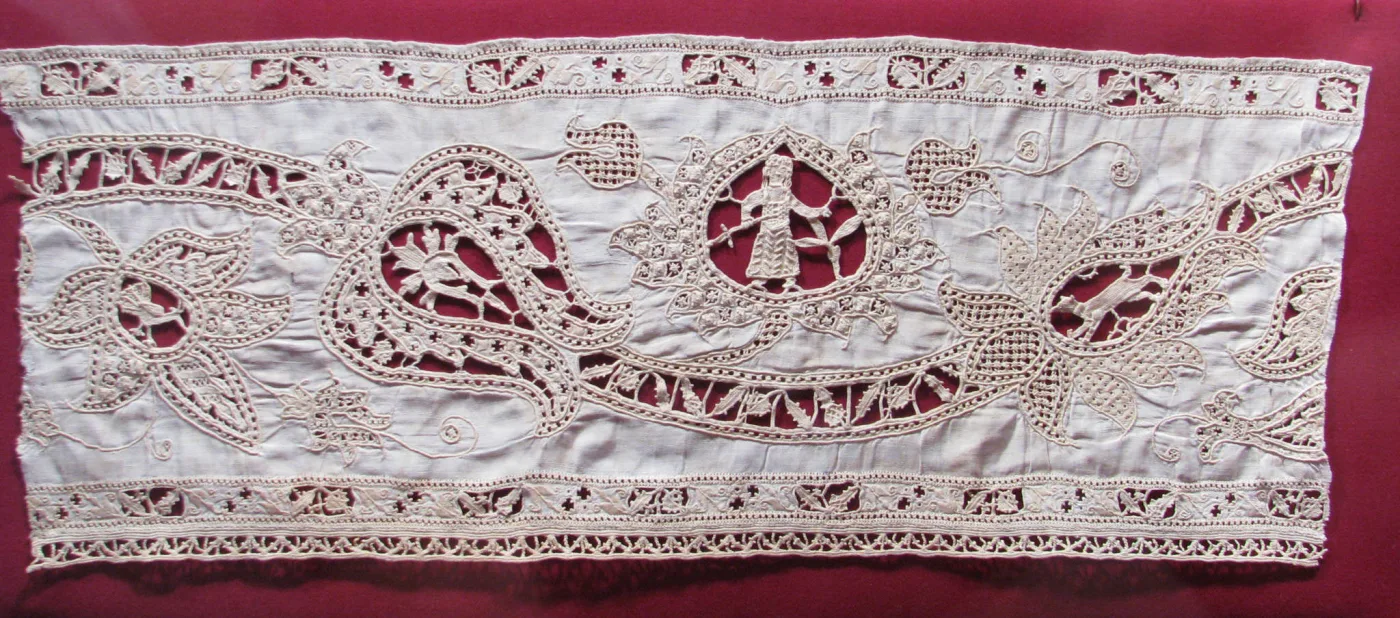
Needle lace is built with a single needle and thread over a temporary support, then released. Look for dense buttonhole stitches, sculptural relief, and highly controlled motif shaping. Venetian and Alençon traditions are key references.
Bobbin lace
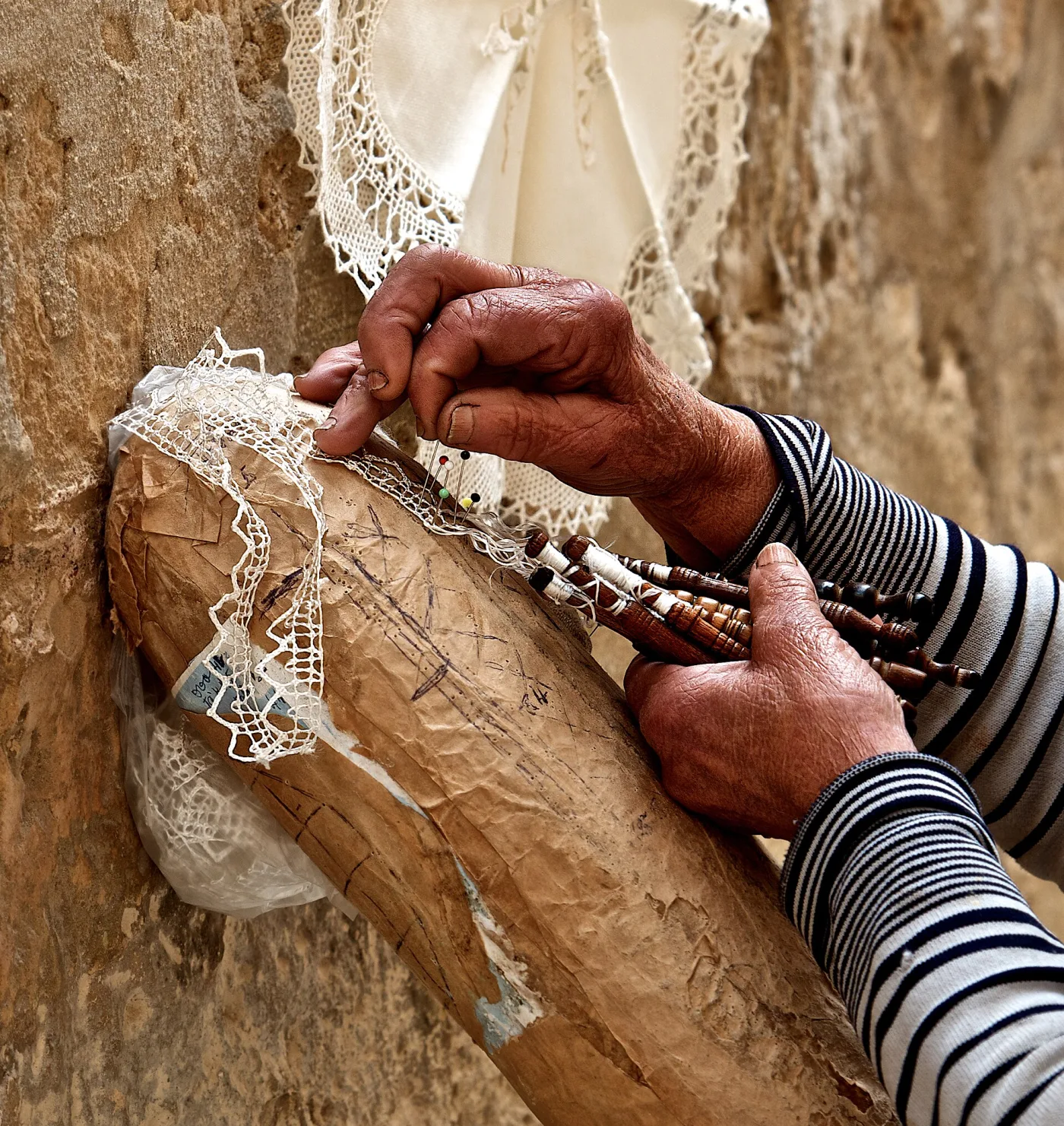
Bobbin lace is made by crossing and twisting multiple threads on a pillow using bobbins. The structure often reveals repeated plaiting logic and pin placements. Brussels, Valenciennes, and Mechlin traditions each show distinct grounds and motif handling.
Crochet and Irish crochet lace
Crochet lace generally shows looped chain structures and can be easier to identify once you know hook-work rhythm. Irish crochet frequently features raised motifs connected by irregular bars or net grounds, especially in late 19th- and early 20th-century dress trimmings.
3) Handmade vs Machine-Made: Fast Tests
The first value question is often whether a lace is handmade. Under magnification, handmade lace usually shows subtle thread tension variation, small asymmetries, and occasional irregular spacing where the maker adjusted during work. Machine-made lace tends to show highly repetitive geometry and perfectly repeated pattern cycles.
Edge and join evidence
Look closely at scalloped edges and motif joins. Hand processes often produce slight variation in picots, bars, and connection points. Machine lace may have cleaner repeat intervals and regular selvage behavior consistent across the entire length.
Pattern repeat and mechanical rhythm
Fold the lace to compare motif repeats directly. If each repeat lands with exact alignment over long lengths, machine production is likely. Handmade pieces can be very skilled, but true mirror-perfect repetition across many repeats is uncommon.
4) Fiber Identification and Thread Behavior
Fiber analysis helps date and authenticate lace because material choices changed with technology and trade. Most earlier lace is linen, while cotton dominates many 19th-century forms. Silk appears in luxury examples and often ages differently, with splitting or weighted-silk weakness in some periods.
Visual and tactile clues
Linen thread often appears crisp with a dry hand and subtle slubs. Cotton can look softer and more uniform. Silk usually has a smoother sheen, though aging and soil may mute luster. Avoid destructive burn tests on collectible lace; rely on magnification and comparative handling whenever possible.

5) Ground Structures and Motif Vocabulary
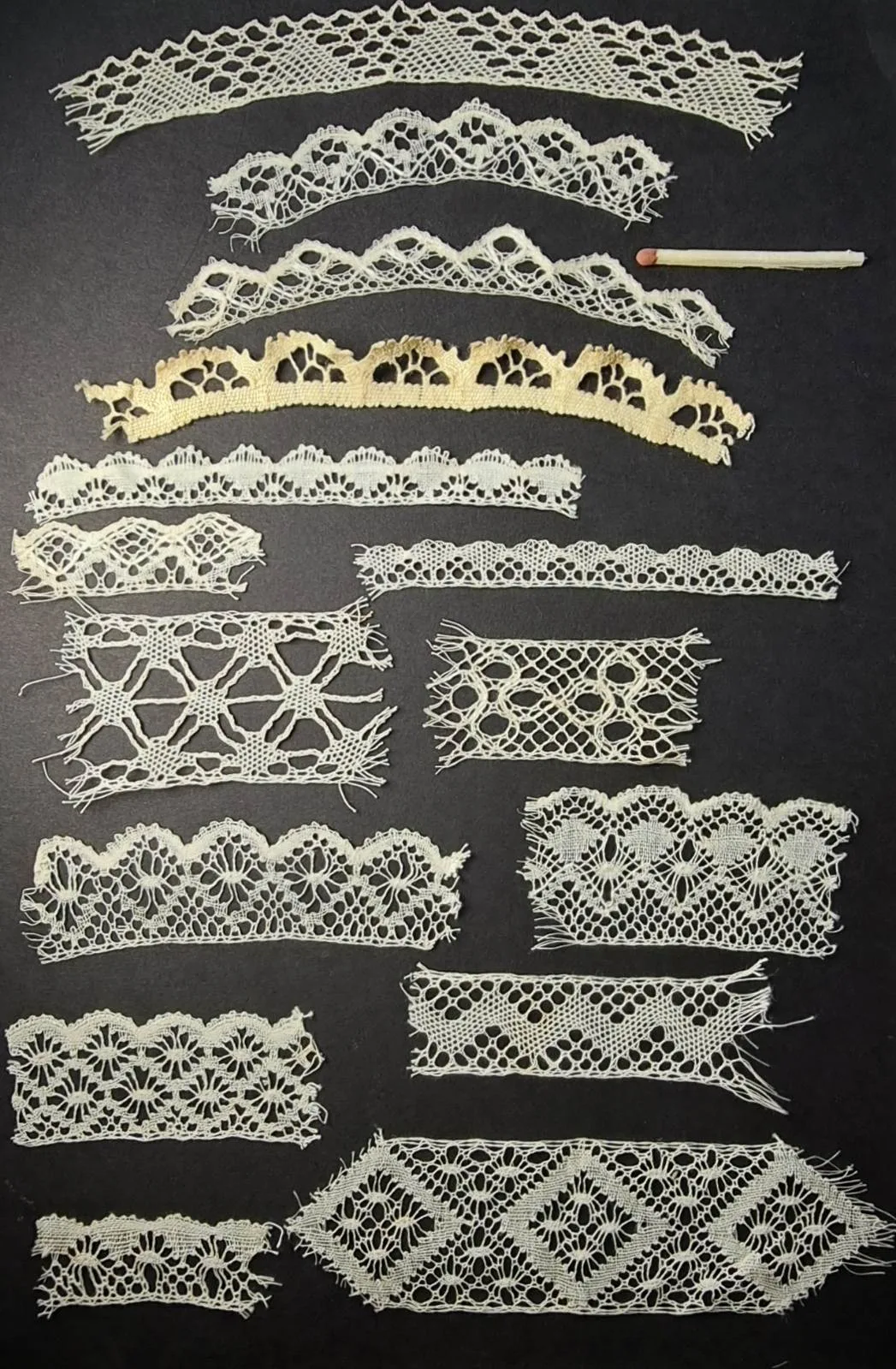
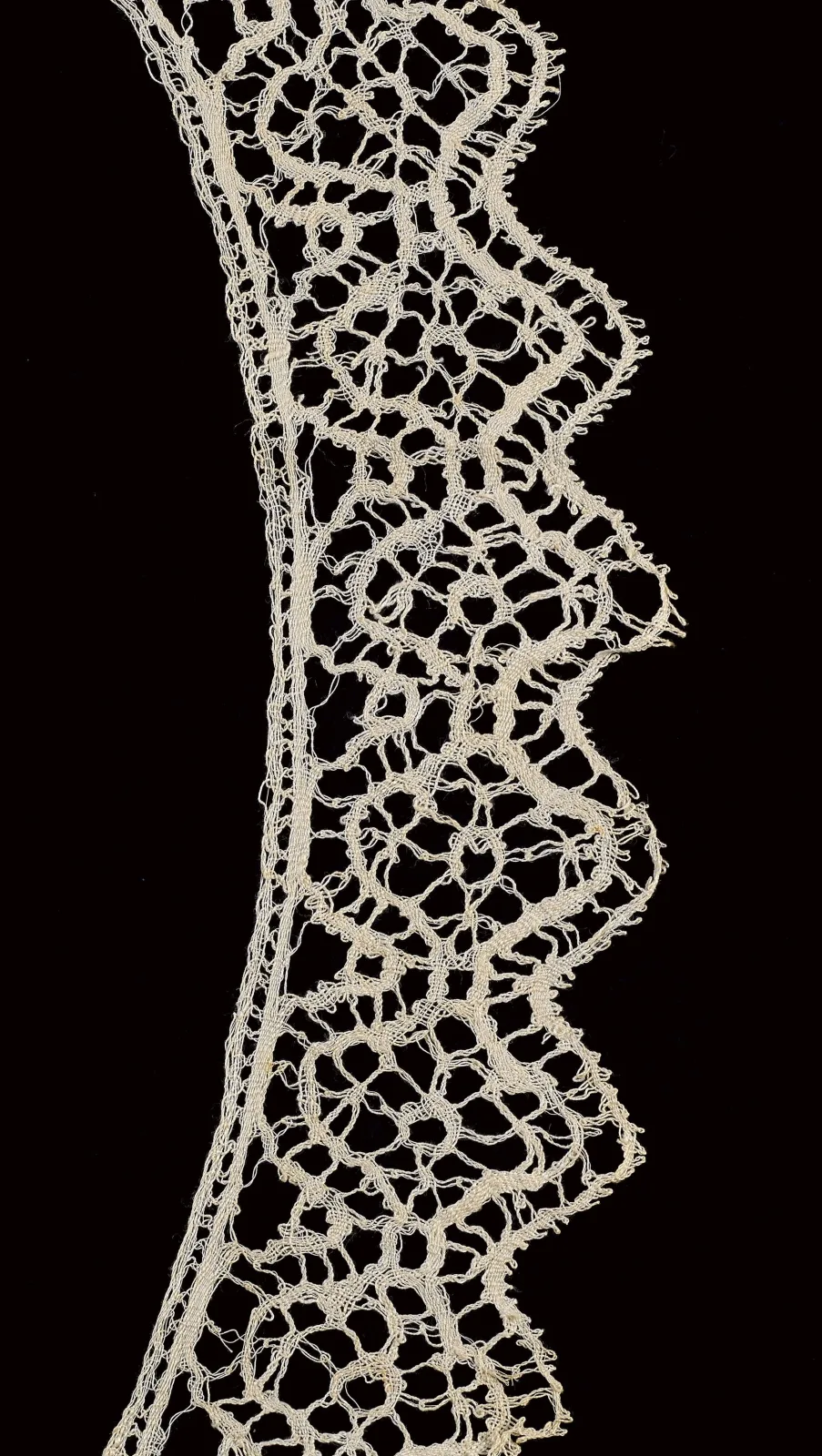
Ground, or net structure, is a major attribution clue. Hexagonal, square, and irregular grounds suggest different making traditions and periods. Learn to describe grounds in plain technical language such as "hexagonal mesh with twisted sides" or "needle-made brides connecting appliquéd motifs."
Motif categories
Common motifs include floral sprays, scrolling vines, medallions, paisleys, wheat ears, and geometric diapering. Identify whether motifs are integrated into the ground during making, appliquéd later, or cordonnet outlined. These distinctions separate similar-looking laces from different schools.
6) Regional Styles and Signature Features
Attribution improves when you pair structure with regional knowledge. Brussels lace often combines fine net grounds with applied motifs and can be extremely delicate. Chantilly is known for silk thread and shadowy contrast with outlined motifs. Honiton often displays separate motifs later joined, while Maltese bobbin lace may include characteristic geometric and wheat-ear elements.
Use probabilities, not absolutes
Many lace types were copied across Europe and later by machine producers. Phrase your notes as likelihoods: "likely Chantilly-style machine lace, late 19th to early 20th century" is more honest and useful than overconfident origin claims.
7) Dating Clues from Design and Construction
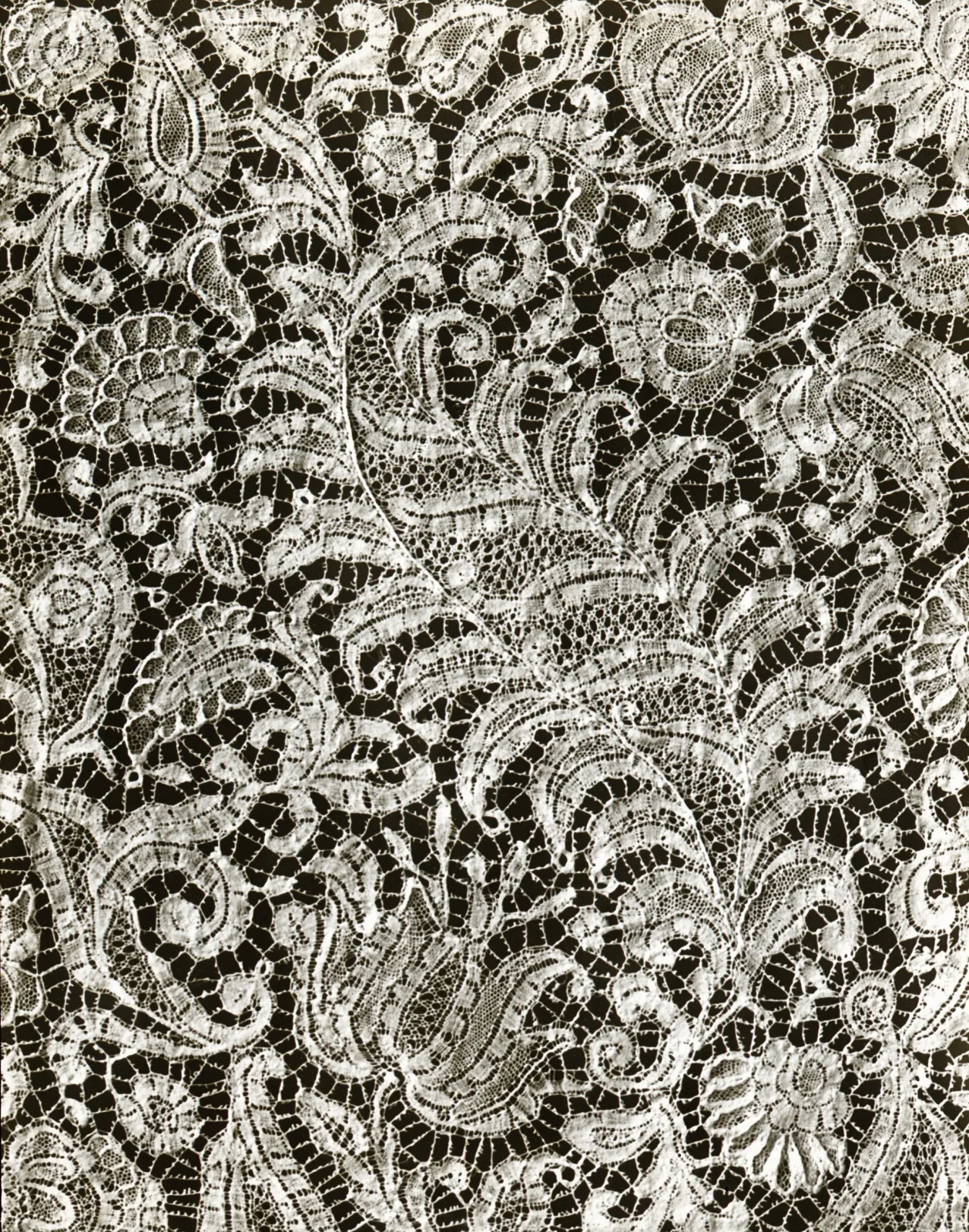
Dating lace requires a cluster of clues, not one feature. Use motif style, scale, thread count, construction method, and wear pattern together. Larger dramatic motifs may align with specific fashion decades, while finer continuous grounds can indicate earlier luxury production. Period fashion accessories such as antique fans often feature similar lace and ivory materials. The scissors and shears used by lacemakers are also highly collectible sewing antiques.
Garment context as a date anchor
If lace remains attached to original garments, examine seams, closures, lining fabrics, and tailoring methods. A lace insert re-used in a later garment is common and can create false dates if viewed in isolation. Stitch color mismatch and different wear levels often reveal reapplication.
8) Condition, Repairs, and Conservation Red Flags
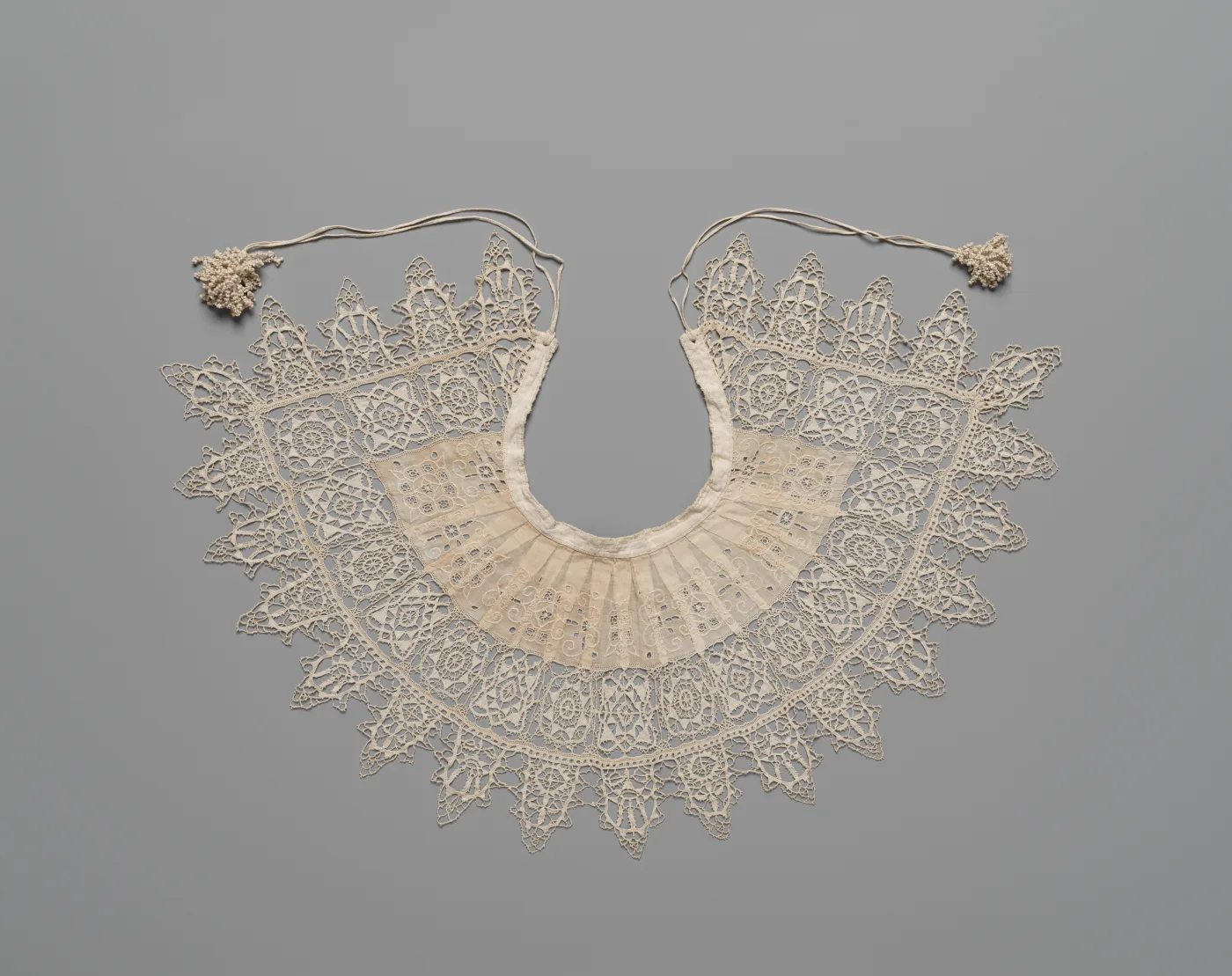
Condition strongly affects both value and interpretation. Check for thread breaks, dry rot, oxidation stains, rust transfer from pins, and brittle fold lines. Repaired areas may include modern cotton thread, machine stitching, or net patches that do not match original mesh size.
Cleaning caution
Aggressive washing can erase historical evidence and weaken fibers. If cleaning is necessary, consult a textile conservator for high-value items. Never bleach antique lace, and avoid ironing directly against fragile raised work without a protective method.
9) Authenticity Workflow for Buyers
Before purchase, request high-resolution photos of front, reverse, edge finish, and any joins. Ask whether the lace has been cut from a larger textile, re-backed, or stabilized. Compare measurements against known historical norms because unusually uniform long lengths can indicate modern production.
Five-step quick authentication process
1) Classify construction family. 2) Note fiber and thread behavior. 3) Examine repeat regularity. 4) Document damage and repairs. 5) Compare to museum or reference examples. This sequence reduces impulse decisions and builds repeatable judgment.
10) Value Drivers in the Lace Market
Value depends on rarity, workmanship, condition, proven origin, and current demand. Fine handmade pieces with clear attribution and strong provenance generally outperform anonymous fragments. Large complete pieces are often worth more than narrow trims, though exceptional rare borders can still command premium prices.
Provenance and documentation premiums
Invoices from reputable dealers, old collection labels, exhibition histories, and family records can materially increase confidence and price. For serious collecting, provenance can matter as much as visual beauty.
11) Building a Reference Collection
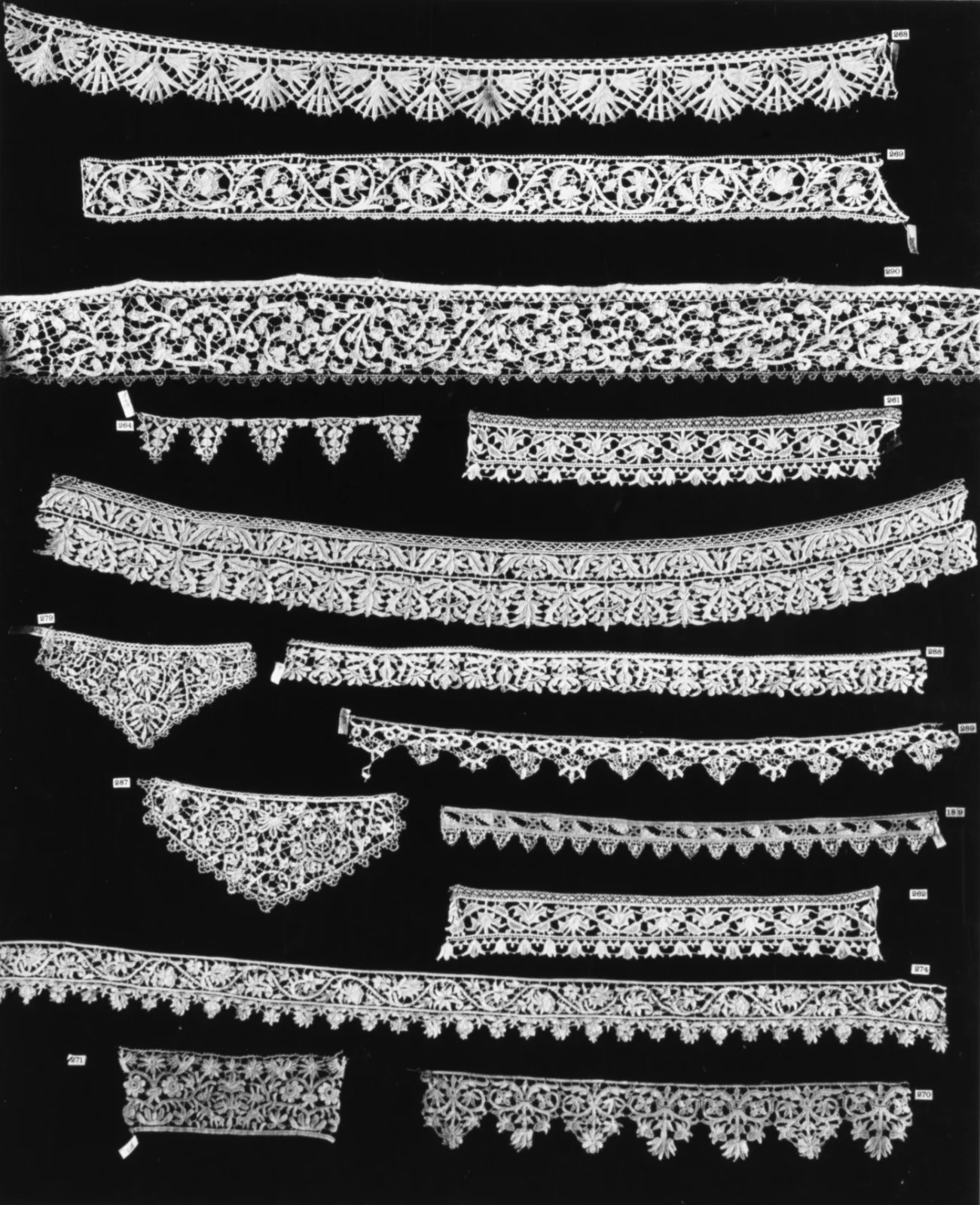
A reference collection accelerates learning faster than random buying. Start with affordable study fragments from different techniques: one needle lace sample, one bobbin lace sample, one Irish crochet sample, and one known machine-made comparison. Label each with source, date estimate, and key structural notes.
Photography and magnification habits
Take standardized close-up photos with scale markers and consistent lighting. Archive both full-view and detail images. Over time, your own side-by-side library becomes a practical authentication tool that outperforms memory alone.
12) Documentation Checklist and Final Tips
For every lace you evaluate, record dimensions, fiber assessment, construction family, motif description, ground structure, edge type, condition notes, restoration evidence, and probable date range. Add confidence levels to avoid false certainty. This discipline supports better buying decisions and clearer resale descriptions.
Final takeaway
Antique lace identification is a skill built through repeated observation. By combining structural analysis with historical context and careful documentation, you can distinguish decorative look-alikes from truly collectible historical lace. The goal is not perfect certainty every time, but consistent, evidence-based judgment that improves with each piece you study.