Antique Compass & Navigation Instruments Identification Guide: Types, Dating & Authentication
Antique compasses and navigation instruments represent some of the most historically significant and technologically fascinating pieces in the world of antiques. From elegant maritime compasses that guided ships across oceans to precision surveying instruments that mapped continents, each piece tells a story of exploration, scientific advancement, and human ingenuity. This comprehensive guide will teach you everything you need to know about identifying antique compasses and navigation instruments, from understanding different compass types to recognizing maker marks and determining historical value.
Table of Contents
- Understanding Compasses and Navigation Instruments
- Types of Antique Compasses
- Other Navigation Instruments
- Historical Periods and Evolution
- Maker Marks and Signatures
- Construction Materials and Techniques
- Dating Techniques and Methods
- Authentication and Verification
- Condition Assessment and Value
- Market Factors and Collecting
Understanding Compasses and Navigation Instruments
Before diving into identification, it's essential to understand what makes up a compass and how navigation instruments function.
Basic Compass Components
Every compass consists of several key parts:
- Magnetic Needle: The magnetized pointer that aligns with Earth's magnetic field
- Compass Card: The rotating dial marked with directions (N, S, E, W)
- Bowl or Housing: The protective container that holds the compass mechanism
- Gimbal System: The suspension mechanism that keeps the compass level
- Lubber Line: The fixed reference mark indicating the vessel's heading
- Binnacle: The stand or housing for shipboard compasses
How Compasses Work
Understanding compass mechanics helps with identification:
- Magnetic Principle: The needle aligns with Earth's magnetic field
- Liquid Damping: Alcohol or oil reduces needle oscillation
- Card Rotation: The compass card rotates to show direction
- Compensation: Adjustable magnets correct for deviation
Navigation Principles
Different navigation methods require different instruments:
- Magnetic Navigation: Using Earth's magnetic field
- Celestial Navigation: Using stars, sun, and planets
- Dead Reckoning: Calculating position from course and speed
- Pilotage: Navigation by landmarks and charts
Types of Antique Compasses
Understanding different compass types helps with identification and dating.
Maritime Compasses
Shipboard compasses designed for ocean navigation:
- Binnacle Compasses: Large, mounted compasses in protective binnacles
- Steering Compasses: Smaller compasses for helmsman reference
- Bearing Compasses: Handheld compasses for taking bearings
- Characteristics: Large bowls, gimbal suspension, liquid damping, compensation systems
- Period: 16th century to present
- Materials: Brass, bronze, wood, glass
Pocket Compasses
Portable compasses for land navigation:
- Hunting Compasses: Durable, weather-resistant designs
- Military Compasses: Precision instruments for field use
- Surveying Compasses: High-precision instruments for land surveying
- Characteristics: Compact size, protective cases, sighting mechanisms
- Period: 18th century to present
- Materials: Brass, steel, aluminum, leather cases
Surveying Compasses
Precision instruments for land measurement:
- Transit Compasses: Combined compass and telescope
- Prismatic Compasses: Compass with sighting prism
- Circumferentors: Full-circle compasses for surveying
- Characteristics: High precision, sighting mechanisms, leveling bubbles
- Period: 18th century to early 20th century
- Materials: Brass, steel, glass, precision mechanisms
Decorative Compasses
Ornamental compasses for display and collection:
- Desk Compasses: Decorative compasses for offices and studies
- Presentation Compasses: Elaborately decorated commemorative pieces
- Collector Compasses: Miniature or novelty compass designs
- Characteristics: Ornate decoration, precious materials, artistic design
- Period: 17th century to present
- Materials: Silver, gold, ivory, exotic woods
Specialized Compasses
Compasses designed for specific purposes:
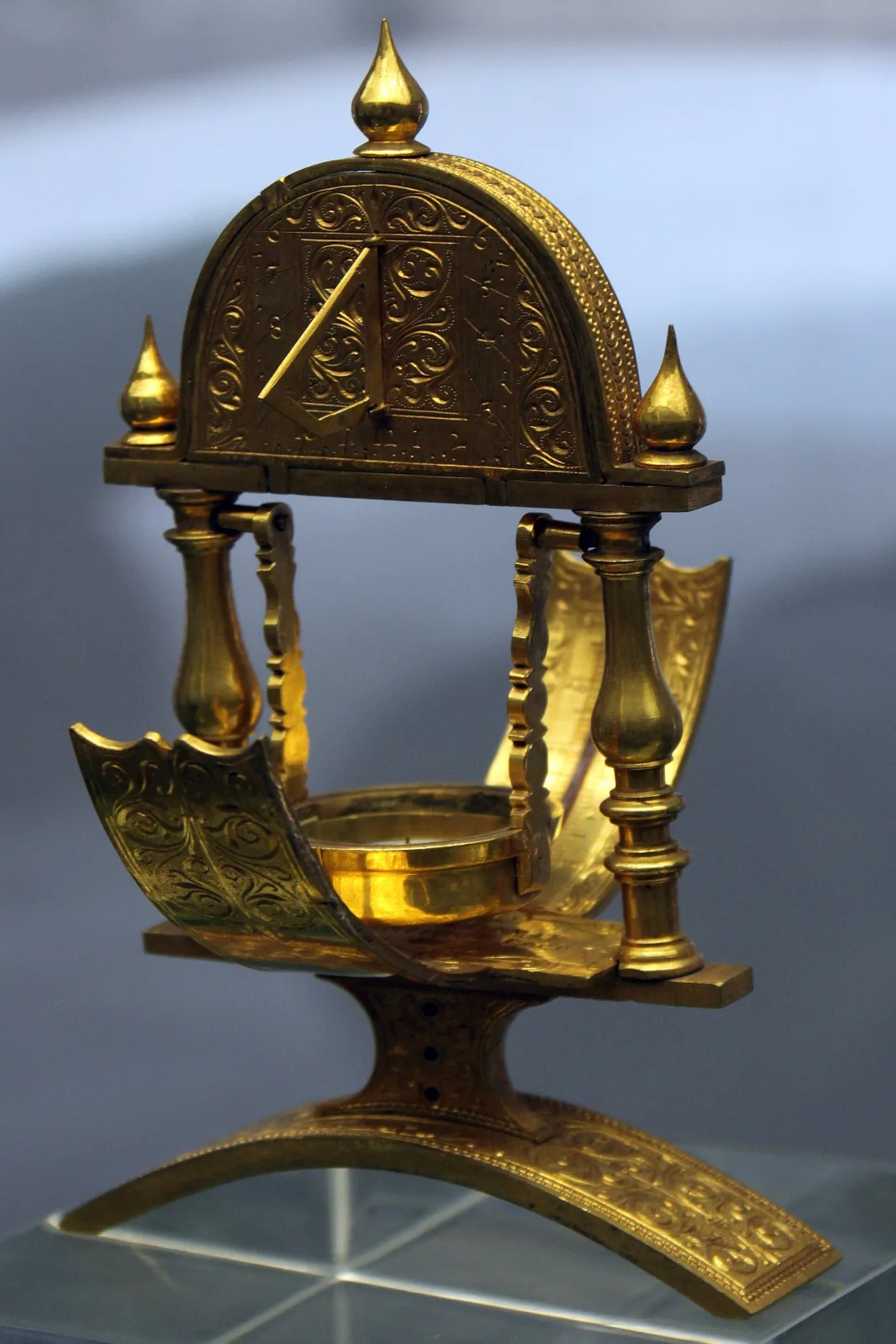
- Sun Compasses: Using shadow to determine direction
- Gyrocompasses: Using gyroscope instead of magnetism
- Astrocompasses: Using celestial bodies for navigation
- Period: 19th century to present
- Characteristics: Advanced mechanisms, specialized functions
Other Navigation Instruments
Compasses were often used alongside other navigation tools.
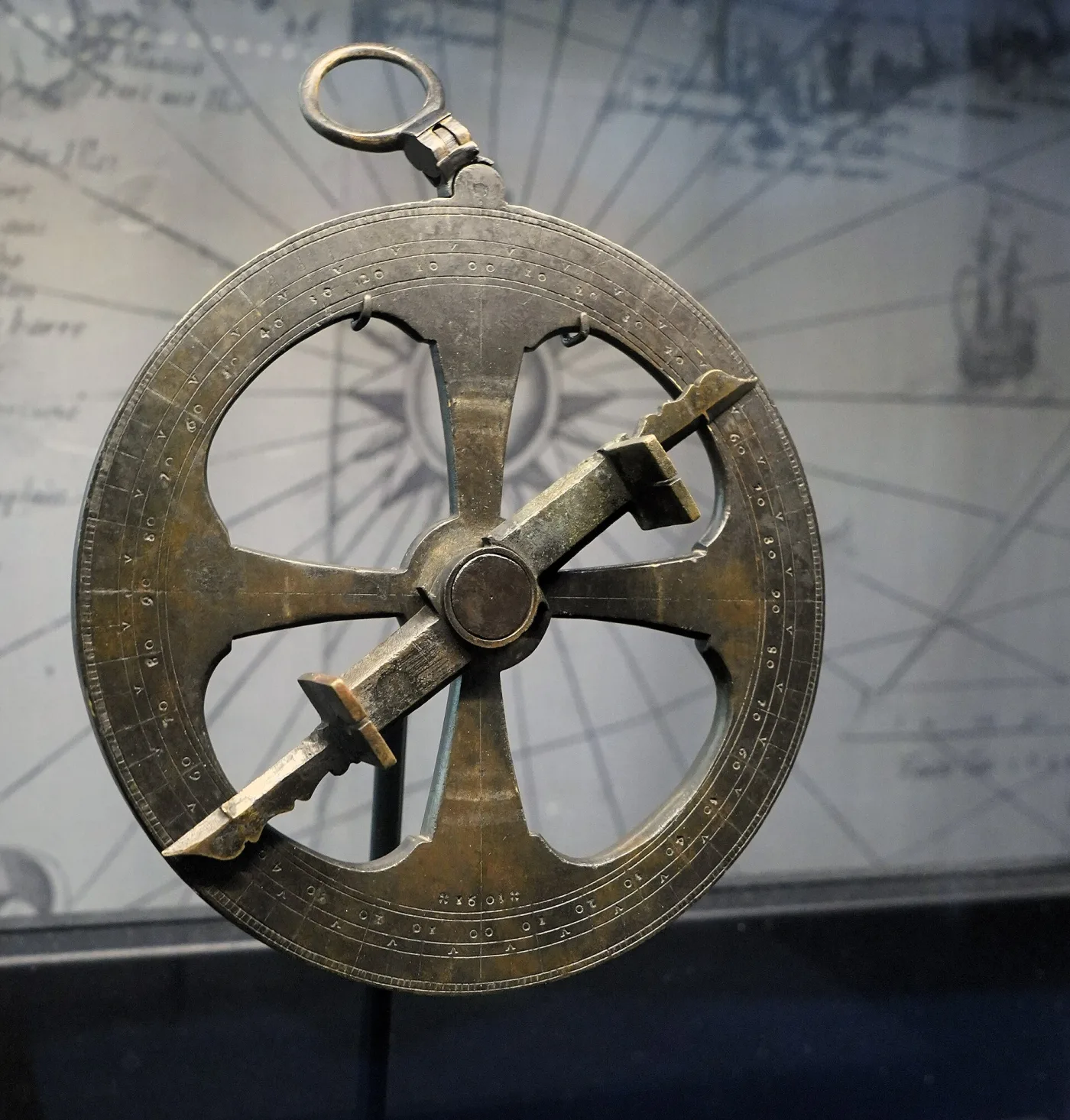
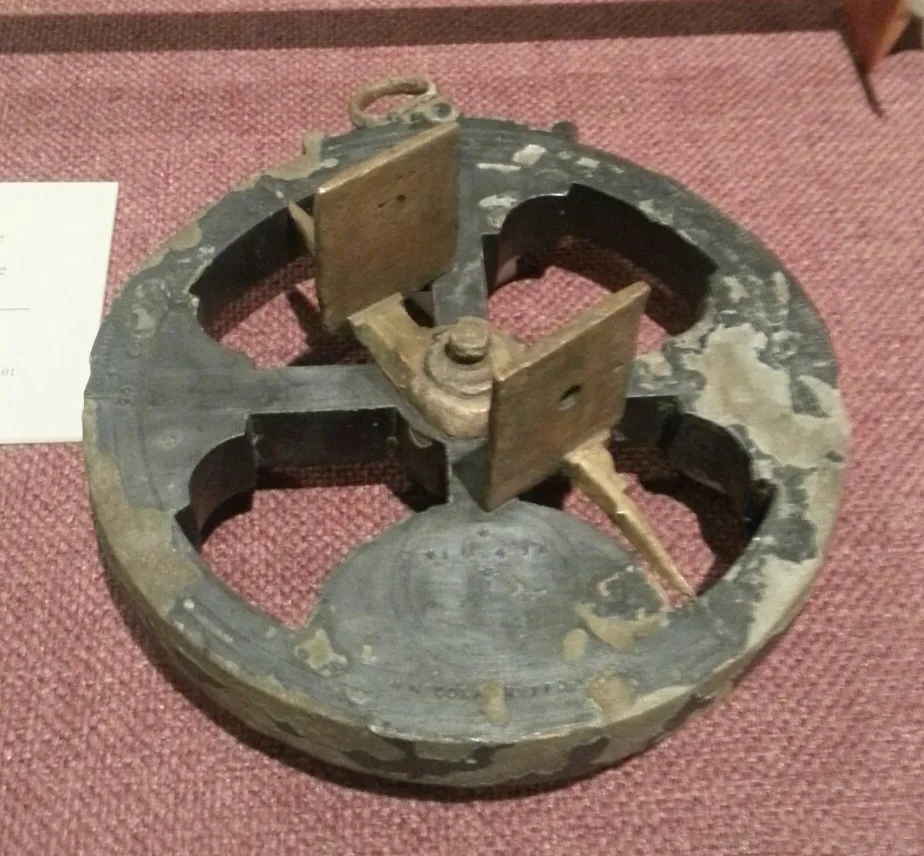
Astrolabes
Ancient astronomical instruments for navigation:
- Mariner's Astrolabe: Simplified version for sea navigation
- Planispheric Astrolabe: Complex astronomical computer
- Characteristics: Brass construction, engraved scales, rotating parts
- Period: Medieval period to 18th century
- Materials: Brass, bronze, sometimes silver
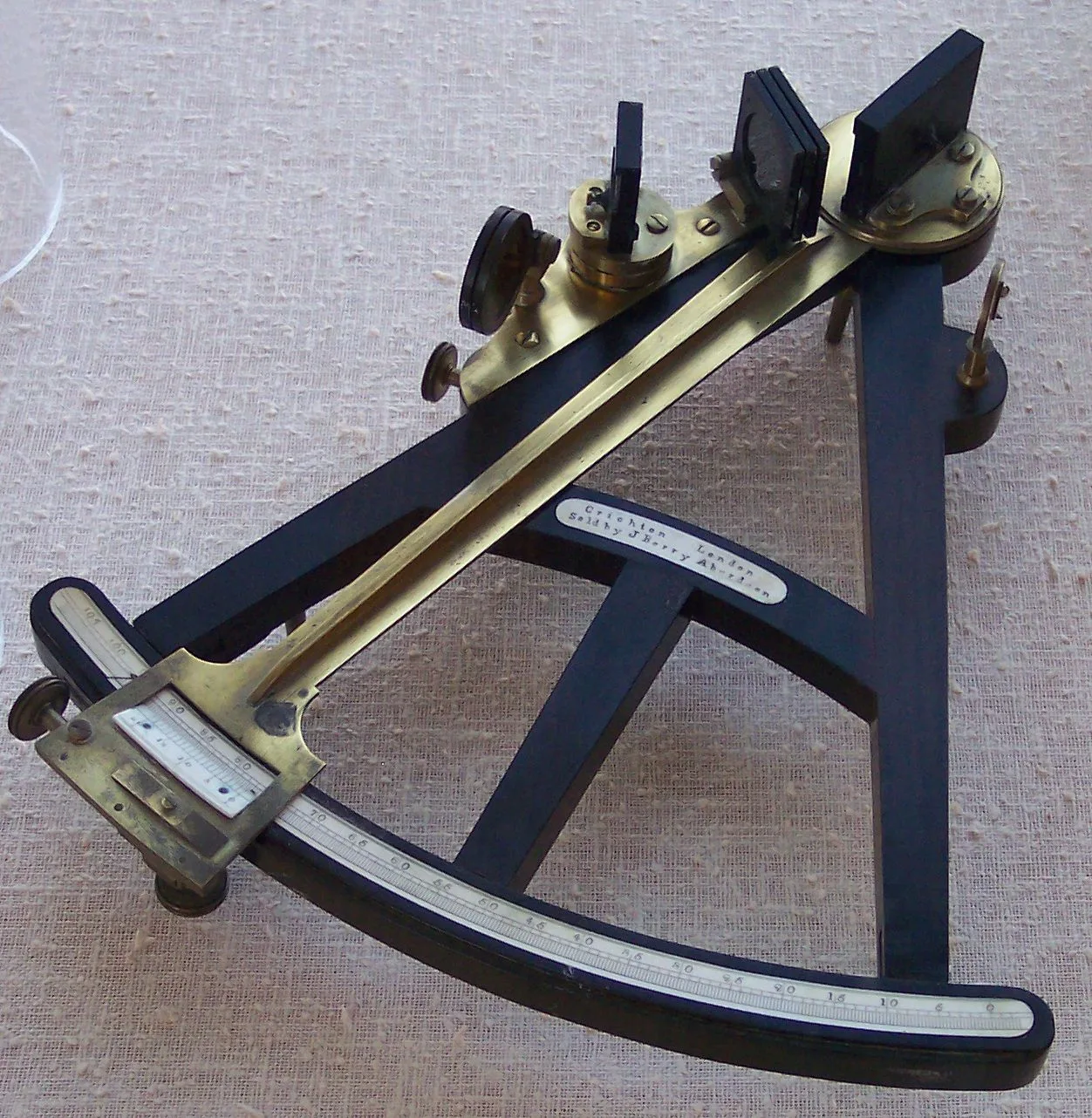
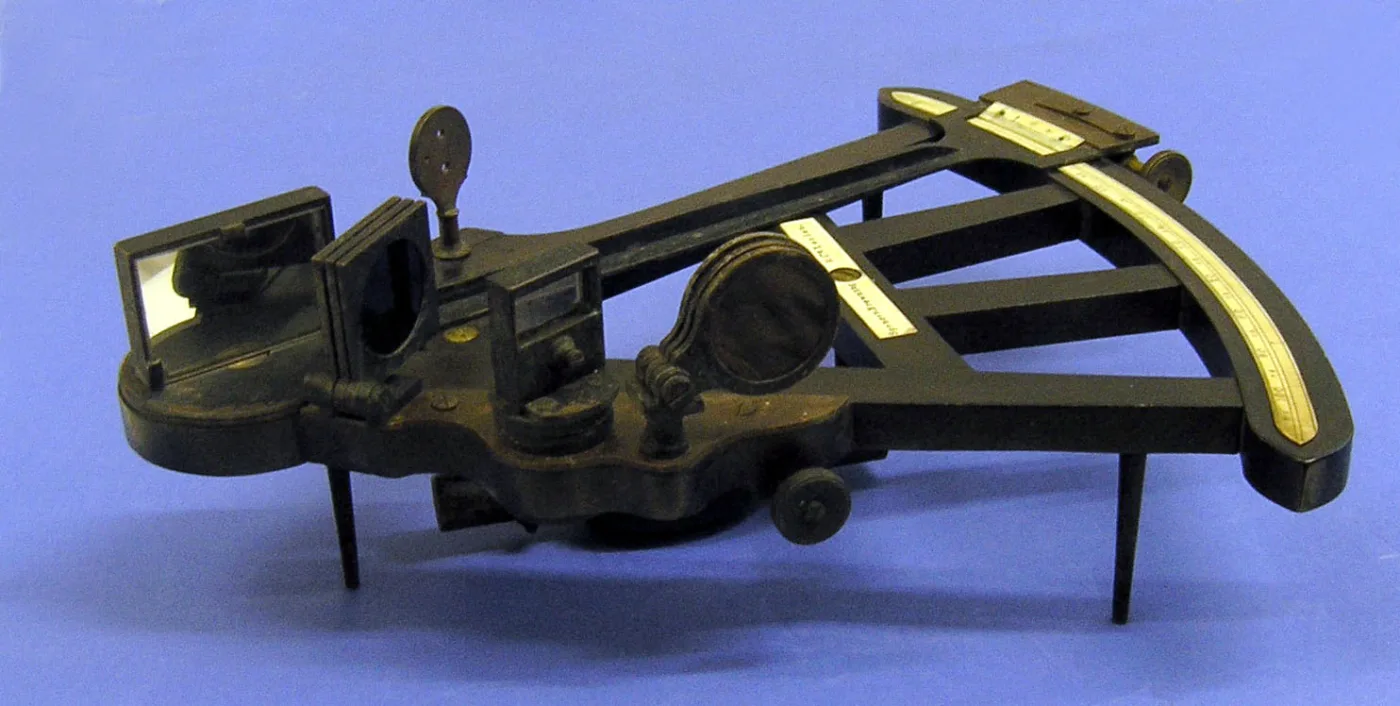
Quadrants and Sextants
Instruments for measuring celestial angles:
- Quadrants: Quarter-circle instruments for altitude measurement
- Sextants: Sixth-circle instruments for precise angle measurement
- Octants: Eighth-circle instruments, precursor to sextants
- Characteristics: Precision scales, mirrors, sighting mechanisms
- Period: 16th century to present
- Materials: Brass, bronze, ivory, ebony
Cross-Staffs and Back-Staffs
Early instruments for measuring celestial altitudes:
- Cross-Staff: Simple instrument with perpendicular staff
- Back-Staff: Improved design allowing sun observation
- Characteristics: Wood construction, graduated scales
- Period: 14th to 18th centuries
- Materials: Wood, brass fittings
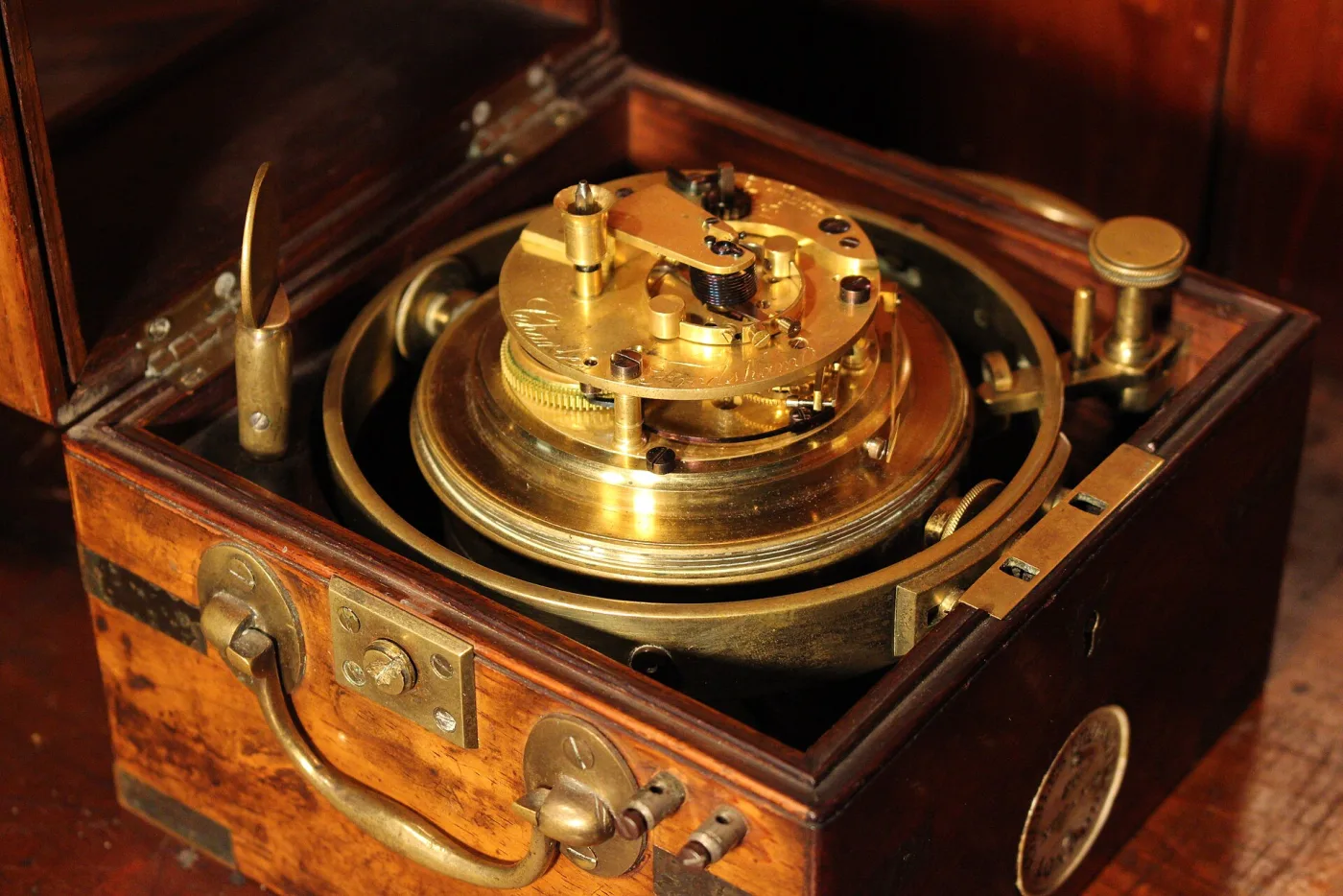
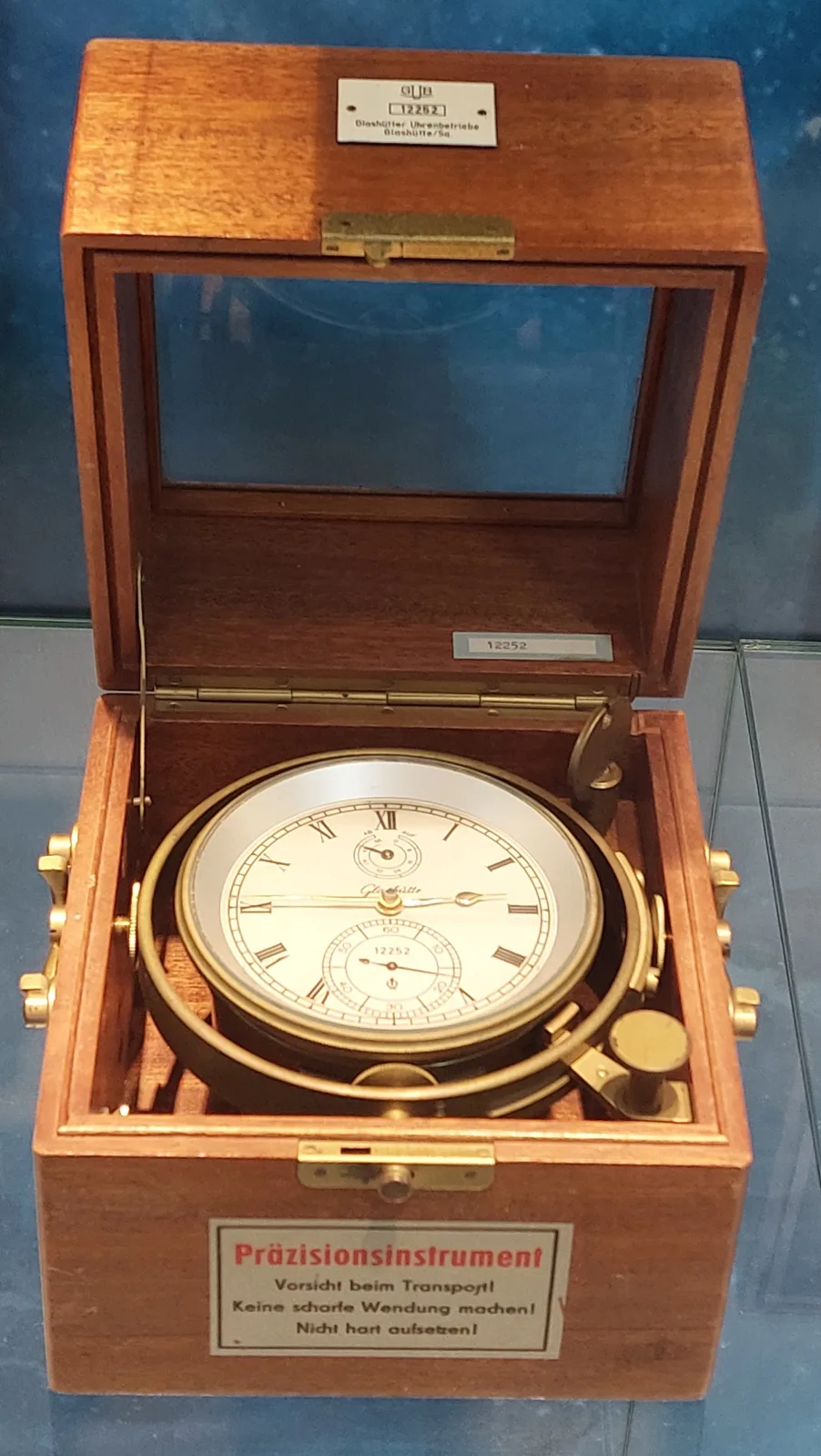
Chronometers
Precision timepieces essential for longitude determination:
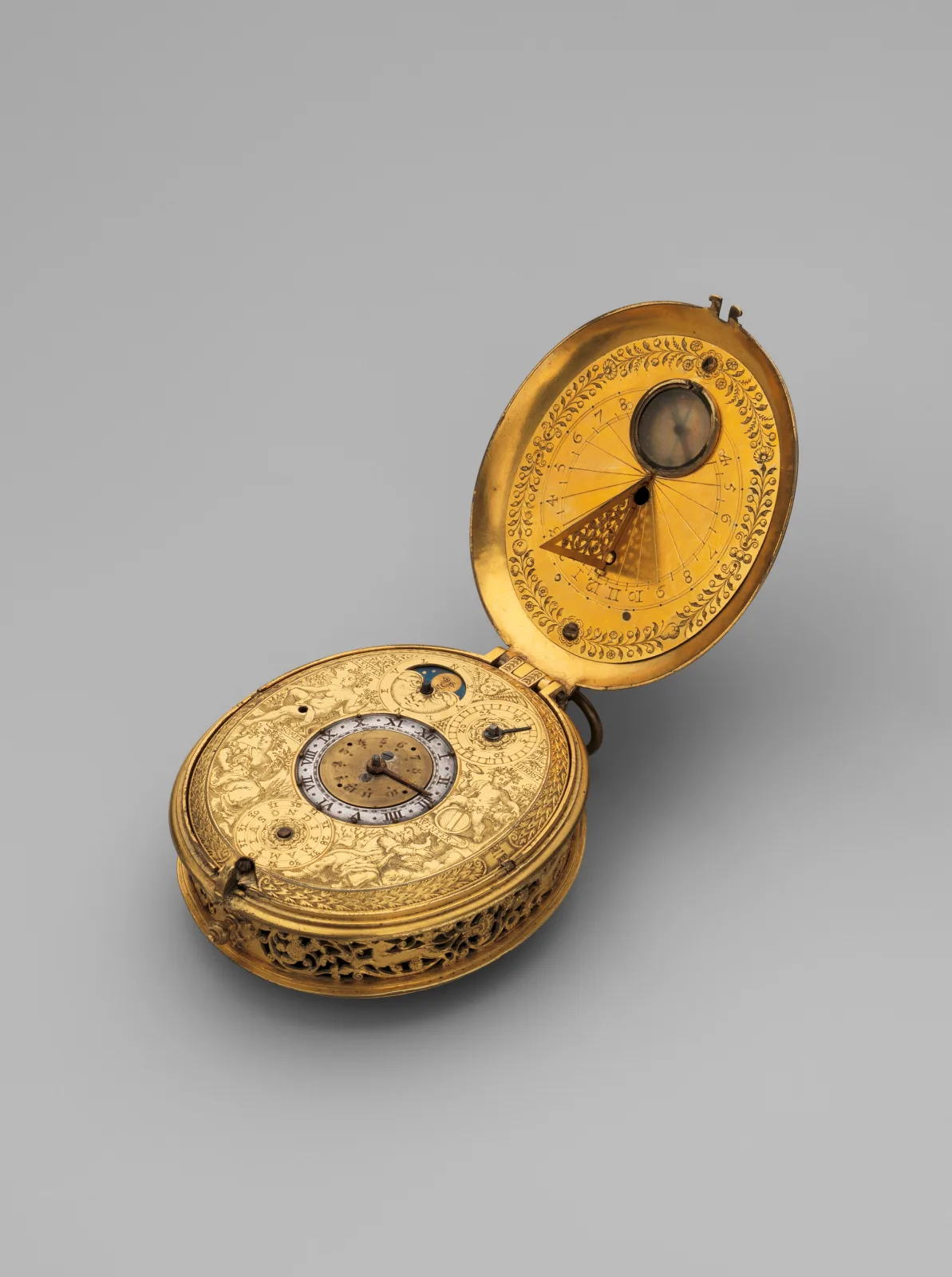
- Marine Chronometers: Precision clocks for navigation
- Pocket Chronometers: Portable precision timepieces
- Characteristics: High accuracy, gimbal mounting, temperature compensation
- Period: 18th century to present
- Materials: Brass, steel, wood cases
Logs and Speed Indicators
Instruments for measuring vessel speed:
- Chip Logs: Traditional method using weighted line
- Mechanical Logs: Rotating impeller devices
- Characteristics: Line, reel, and timing mechanisms
- Period: 16th century to early 20th century
- Materials: Wood, brass, rope
Historical Periods and Evolution
Understanding the evolution of compass design helps with dating and authentication.
Early Period (12th-16th Centuries)
The earliest compasses and navigation instruments:
- Dry Compasses: Needle on pivot point, no liquid damping
- Simple Design: Basic needle and card, minimal decoration
- Materials: Iron needle, wood or paper card
- Characteristics: Crude construction, hand-forged components
- Rarity: Extremely rare, mostly in museums
Age of Exploration (16th-17th Centuries)
Compasses during the great age of maritime exploration:
- Liquid Compasses: Introduction of liquid damping
- Improved Accuracy: Better construction and materials
- Binnacle Development: Protective housings for shipboard use
- Materials: Brass bowls, glass covers, alcohol damping
- Characteristics: Ornate decoration, maker marks appear
Golden Age of Navigation (18th Century)
Peak of traditional navigation instrument making:
- Precision Manufacturing: High-quality craftsmanship
- Compensation Systems: Adjustable magnets for deviation correction
- Professional Makers: Specialized instrument makers emerge
- Materials: Fine brass, silver, ivory, exotic woods
- Characteristics: Elaborate decoration, precision mechanisms
Industrial Revolution (19th Century)
Mass production and standardization:
- Standardization: Uniform designs and specifications
- Mass Production: Factory-made instruments
- Improved Materials: Better metals and manufacturing
- Military Use: Standardized military compasses
- Characteristics: Consistent quality, serial numbers, maker stamps
Modern Period (20th Century)
Transition to modern navigation technology:
- Precision Manufacturing: Machine-made precision components
- New Materials: Aluminum, plastics, modern alloys
- Specialized Designs: Purpose-built instruments
- Characteristics: Modern aesthetics, functional design

Maker Marks and Signatures
Identifying the maker can significantly increase compass value and historical interest.
Types of Marks
- Maker Names: Full names or initials of craftsmen
- Company Names: Business or workshop names
- Location Marks: City or country indicators
- Serial Numbers: Production numbers for dating
- Patent Marks: Patent numbers and dates
- Quality Marks: Standards and certifications
Famous Compass Makers
Recognizing important compass and instrument manufacturers:
- English Makers:
- Henry Browne & Son (London, 18th-19th centuries)
- Kelvin & Hughes (London, 19th-20th centuries)
- Thomas Walker & Son (Birmingham, 19th-20th centuries)
- E.S. Ritchie & Sons (Boston, later moved to England)
- American Makers:
- E.S. Ritchie & Sons (Boston, 19th century)
- W. & L.E. Gurley (Troy, NY, surveying instruments)
- Keuffel & Esser (New York, surveying equipment)
- Buff & Buff (Boston, navigation instruments)
- European Makers:
- Pistor & Martins (Germany, 19th century)
- Lerebours & Secretan (France, 19th century)
- Various Italian and Dutch makers
Researching Maker Information
- Reference Books: Instrument maker dictionaries and catalogs
- Online Databases: Maker identification websites and forums
- Museum Collections: High-resolution images and detailed descriptions
- Expert Consultation: Professional appraisers and collectors
- Historical Records: Trade directories and business records
Construction Materials and Techniques
The materials and construction methods provide important clues about age and authenticity.
Metal Components
- Brass: Most common material, ages to patina
- Bronze: Durable, used for high-quality instruments
- Steel: Used for needles and precision parts
- Silver: Decorative elements and high-end instruments
- Aluminum: Modern material, 20th century onwards
Compass Card Materials
- Paper: Early compasses, hand-painted or printed
- Ivory: Luxury compasses, 18th-19th centuries
- Mica: Transparent material for some designs
- Metal: Etched or engraved metal cards
- Plastic: Modern compasses, 20th century
Case Materials
- Wood: Mahogany, oak, teak for binnacles and cases
- Leather: Pocket compass cases and protective covers
- Brass: Protective cases and binnacles
- Ivory: Luxury pocket compass cases
- Bakelite: Early plastic cases, early 20th century
Construction Techniques
- Hand Crafting: Early compasses, individual attention
- Machine Manufacturing: Industrial production, 19th century onwards
- Engraving Methods: Hand engraving vs. machine engraving
- Assembly Methods: Hand-fitted vs. machine-assembled
- Finishing Techniques: Hand-polished vs. machine-finished
Damping Liquids
- Alcohol: Traditional damping liquid, clear
- Mineral Oil: Alternative damping liquid
- Water: Some early compasses
- Characteristics: Color, clarity, evaporation over time
Dating Techniques and Methods
Accurate dating of antique compasses requires multiple approaches and careful analysis.
Style Analysis
- Design Elements: Decoration, proportions, motifs
- Card Design: Numerals, decoration, layout style
- Case Design: Shape, decoration, hardware
- Historical Context: Period-specific design trends
Technical Dating
- Construction Methods: Hand vs. machine work
- Material Analysis: Metal composition, wood types
- Mechanism Design: Evolution of compass mechanisms
- Scientific Methods: Metallurgical analysis, wood dating
Maker-Based Dating
- Maker Working Dates: Known production periods
- Serial Numbers: Production sequence and dating
- Mark Evolution: Changes in maker marks over time
- Catalog References: Historical catalogs and advertisements
Historical Context Dating
- Technological Advances: Innovation timeline
- Military Use: Standardization periods and designs
- Trade Patterns: Import/export influences
- War Periods: Military production and designs
Authentication and Verification
Verifying authenticity is crucial for valuable antique compasses.
Authenticity Indicators
- Period-Appropriate Materials: Materials match claimed age
- Consistent Wear Patterns: Natural aging and use
- Maker Mark Verification: Marks match known maker styles
- Construction Methods: Techniques appropriate for period
- Provenance: Documented ownership history
Red Flags and Warning Signs
- Inconsistent Materials: Modern materials in old compasses
- Reproduction Marks: Fake or copied maker marks
- Mismatched Components: Parts from different periods
- Too Perfect Condition: Suspiciously pristine old compasses
- Modern Manufacturing: Machine marks indicating recent production
Common Reproductions
- Decorative Reproductions: Modern compasses made to look old
- Antique-Style Compasses: New compasses with period styling
- Restored Compasses: Heavily restored or rebuilt instruments
- Composite Pieces: Assembled from multiple sources
Professional Authentication
- Expert Appraisal: Professional instrument appraisers
- Scientific Analysis: Material and construction testing
- Provenance Research: Documented history verification
- Comparative Analysis: Comparison with known authentic examples
Condition Assessment and Value
Understanding compass condition is crucial for value determination.
Condition Categories
- Mint: Perfect condition, original finish, no damage
- Excellent: Minor wear, original components, minimal damage
- Very Good: Some wear, minor repairs, original finish
- Good: Moderate wear, some damage, may have repairs
- Fair: Significant wear, damage, or missing parts
- Poor: Heavy damage, missing components, non-functional
Common Condition Issues
- Liquid Loss: Damping liquid evaporated or leaked
- Card Damage: Faded, cracked, or damaged compass card
- Needle Problems: Bent, demagnetized, or broken needle
- Case Damage: Dents, scratches, missing parts
- Glass Breakage: Cracked or missing glass cover
- Corrosion: Rust or tarnish on metal components
- Wood Deterioration: Rot, cracks, or warping in wooden cases
Functional vs. Decorative
- Fully Functional: Compass works accurately, highest value
- Partially Functional: Works but needs adjustment or repair
- Non-Functional: Decorative only, reduced value
- Restoration Potential: Can be restored to working condition
Value Impact
- Minor Issues: 10-25% value reduction
- Moderate Damage: 30-50% value reduction
- Major Damage: 50-75% value reduction
- Non-Functional: 60-80% value reduction
- Missing Parts: 40-70% value reduction depending on parts
Market Factors and Collecting
Understanding market dynamics helps with compass valuation and collecting.
Value Factors
- Rarity: Limited production, unique designs, early periods
- Condition: Original finish, minimal damage, functional
- Provenance: Famous ownership, documented history, notable voyages
- Maker: Famous or important instrument maker
- Period: Desirable historical era (Age of Exploration, etc.)
- Completeness: Original case, accessories, documentation
Collector Categories
- Maritime Collectors: Focus on shipboard compasses and navigation
- Surveying Collectors: Specialize in surveying instruments
- Military Collectors: Military compasses and field instruments
- Decorative Collectors: Ornate and presentation compasses
- General Collectors: Various types and periods
Market Considerations
- Current Trends: Popular styles, periods, and makers
- Economic Factors: Market conditions, collector interest
- Geographic Demand: Regional preferences and markets
- Specialized Markets: Niche collector groups
- Auction Results: Recent sales and price trends
Investment Potential
- Quality Pieces: Better long-term value retention
- Rare Items: Higher appreciation potential
- Historical Significance: Items with documented importance
- Market Timing: Buy during market downturns
- Diversification: Spread risk across categories
Care and Preservation
- Storage: Climate-controlled environment, protection from moisture
- Handling: Careful handling to prevent damage
- Cleaning: Appropriate cleaning methods for materials
- Maintenance: Regular inspection and minor repairs
- Documentation: Keep records of provenance and condition
Conclusion
Antique compass and navigation instrument identification is a fascinating field that combines historical knowledge, technical understanding, and appreciation for craftsmanship. From the earliest dry compasses that guided medieval travelers to the precision instruments that mapped continents, each compass tells a story of exploration, scientific advancement, and human ingenuity.
By learning to recognize different compass types, understand construction techniques, and identify maker marks, you can develop the expertise needed to authenticate and value antique navigation instruments. Remember that identification often requires multiple pieces of evidence working together—style, materials, construction methods, and maker marks all contribute to a complete picture of an instrument's age, origin, and authenticity.
Whether you're a maritime history enthusiast, a surveying instrument collector, or simply appreciate the beauty and precision of antique navigation tools, understanding how to identify these instruments opens up a world of historical discovery and collecting opportunities.